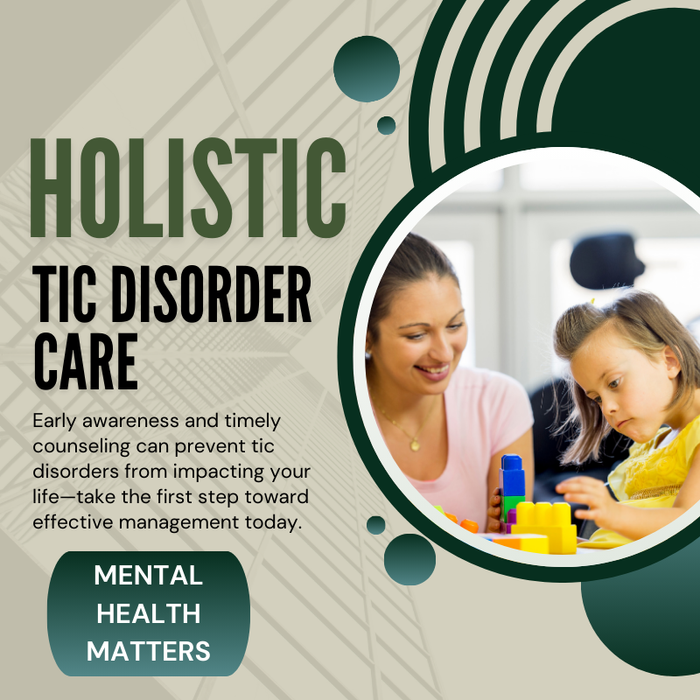
The urge often starts before the tic
Many people feel a build-up, pressure, or sensation that becomes difficult to ignore.
Mental Health Support
Struggling with tics? Our expert tic disorder therapy offers relief and support. Get a 20 mins free consultation at Click2Pro – start your journey today.
Get 20 Minutes Free Session
Continue with Click2Pro on WhatsApp for a calm, issue-focused next step.
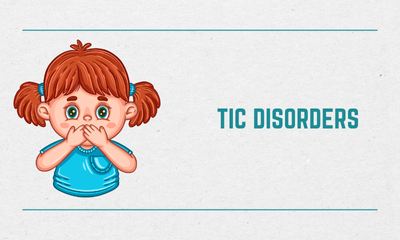
Understanding The Concern
Tic disorders often involve more than the visible tic itself. The person may also be carrying internal urges, the effort of trying to suppress them, self-consciousness around being noticed, and the exhaustion of managing reactions in school, work, or social settings.
If parts of this already feel familiar, the sections below can help you recognise how the pattern may be showing up in daily life and where support may help.
What often comes with this kind of strain
Many people feel a build-up, pressure, or sensation that becomes difficult to ignore.
Trying not to tic can take a lot of concentration and often increases tension.
People may worry about comments, attention, embarrassment, or being misunderstood.
Tic disorders often affect confidence, comfort, and daily participation as well.
Daily-Life Understanding
These signs can make it easier to recognise how the issue may be affecting thoughts, feelings, behaviour, or relationships in everyday life.
It can be hard to stay fully present when part of the mind is busy managing the need to tic.
Holding tics in may make the body more uncomfortable, tense, or exhausted.
The fear of being watched or questioned may add another layer of pressure.
Other people may see the tic without seeing how much effort the person is spending around it.
Common Patterns
These are some of the cycles, habits, and internal responses that can make the issue feel heavier over time.
Where the pattern often shows up
A tic may follow a growing internal pressure that becomes hard to resist.
Anxiety, fatigue, and overstimulation often increase the frequency or intensity of tics.
The more worried someone is about being seen, the harder it may be to relax around the tic.
People may skip situations that feel socially risky rather than keep dealing with the same discomfort.
Impact Areas
Strain like this rarely stays in one place. It often reaches emotions, routines, confidence, relationships, or the way the body settles after stress.
Impact 01
The ongoing urge-suppress-release cycle can take up a lot of energy.
Impact 02
People may feel embarrassed, guarded, or tense about being noticed.
Impact 03
School, work, speaking, and social situations may all start feeling more loaded.
Impact 04
Repeated self-consciousness and effort can leave the person worn down by the end of the day.
When Support Is Usually Needed
These are common points where people decide that coping alone is no longer enough and a steadier kind of support may help.
Who This Support Is For
If your experience sounds similar to the points below, it may be a sign that this kind of support could be relevant for you.
Self-Check Indicators
These markers are meant to support clarity, not self-diagnosis. They can help you notice whether the issue is influencing everyday functioning in a meaningful way.
Indicator 01
You notice that tics and the stress or self-consciousness around them is returning often enough to affect how you think, feel, or respond through the day.
Indicator 02
Decisions are increasingly being made around the discomfort or pressure linked with tics and the stress or self-consciousness around them, not only around what you actually want.
Indicator 03
Small triggers or ordinary situations connected with tics and the stress or self-consciousness around them are taking more time to settle than they used to.
Indicator 04
You may understand parts of tics and the stress or self-consciousness around them intellectually, while still feeling stuck when trying to reduce its effect on your own.
How Counselling Can Help
Support can help you make sense of what is happening, respond more steadily, and work on the patterns that are keeping the issue active.
Counselling can help make sense of urges, suppression, stress, shame, and the wider emotional impact.
Support may help the person feel less defined by the tic in social or performance situations.
Therapy can help with stress regulation and coping in the situations where tics feel most difficult.
The aim is often to protect confidence, participation, and routine while the condition is being managed.
What Sessions May Focus On
These are the kinds of practical areas people often work on once support begins.
Sessions often begin with the settings, urges, or social pressures causing the most strain.
Support may focus on the internal effort people are carrying around the disorder.
Therapy can help with emotional regulation, social confidence, and ways of reducing the wider burden.
Sessions may also focus on participation at school, work, or socially without letting the issue take over identity.
Online Counselling
Online support can make it easier to begin privately, keep momentum, and stay consistent without adding more strain to daily life.
Step 01
You do not need to explain everything perfectly at once. Begin from the part that currently feels heaviest or most disruptive.
Step 02
Online support can help connect the concern with the habits, emotions, and situations that keep it active.
Step 03
Click2Pro keeps the path simple through online sessions, psychologist profile review, and WhatsApp-based guidance when you want it.
What the next step can look like
Myths vs Reality
These clarifications can help if doubt, self-minimising, or mixed advice has made it harder to decide whether support is worth considering.
Myth
It only matters if it becomes extreme.
Reality
Even when tics and the stress or self-consciousness around them seems manageable on the surface, persistent strain can still affect functioning, confidence, and emotional balance.
Myth
If you understand it, it should be easy to fix alone.
Reality
Insight is important, but change often becomes easier when the deeper pattern is worked through in a more structured way.
Myth
Support is only useful when the situation becomes unmanageable.
Reality
Many people benefit before the issue reaches crisis level, especially when they want clarity, steadier coping, and a healthier next step.
Psychologists at Click2Pro
If you want to see who you may be speaking with, you can review a few psychologist profiles here before taking the next step.

Expertise

Expertise

Expertise
Speak With Click2Pro
If this is starting to affect day-to-day life, you can explore Tic Disorder Therapy through Click2Pro on WhatsApp, review psychologist profiles, or use Contact Us if you would like a calmer next step.
Full Detailed Guide
If you want the earlier long-form information on Tic Disorder Therapy, you can continue with the preserved guide below.
Living with tics can feel like an uphill battle, impacting every aspect of daily life. Whether it’s repetitive movements, vocal outbursts, or complex combinations, tic disorders often interfere with personal, social, and professional well-being. At Click2Pro, our tic disorder therapy is designed to offer relief, equipping individuals with effective strategies to manage and reduce these symptoms. With expert therapists and evidence-based methods like CBIT (Comprehensive Behavioral Intervention for Tics), we provide personalized care to help you regain control over your life.
Globally, millions of individuals—teens, adults, men, and women—struggle with tic disorders, and the numbers in India are steadily rising. Studies reveal that nearly 1 in 100 children in India show signs of tic-related conditions, and many adults continue to face challenges into their later years. Despite the prevalence, few people are aware of accessible resources like online counselling services, which can provide tailored support from the comfort of your home.
Our approach combines compassion with structured therapy, ensuring each person receives the care they need. Whether you’re managing mild symptoms or severe challenges, tic disorder therapy can help transform frustration into empowerment.
Tic disorders are characterized by sudden, repetitive movements or sounds that are difficult to control. These symptoms, known as motor and vocal tics, can range from mild to severe, significantly affecting self-esteem and quality of life. At Click2Pro, we understand the wide spectrum of challenges individuals face and offer specialized support to help you navigate them.
Types of Tics:
Motor Tics: Sudden movements like blinking, facial grimacing, shoulder shrugging, or jerking motions.
Vocal Tics: Repetitive sounds such as throat clearing, grunting, or even uttering words involuntarily.
Common Challenges:
Social Isolation: Many individuals avoid public spaces due to the fear of judgment, leading to loneliness.
Emotional Struggles: Tic disorders often co-exist with anxiety, shame, or frustration, which can exacerbate symptoms.
Workplace/Academic Impact: Difficulty concentrating or completing tasks due to frequent tics may hinder performance.
Globally, teens and adults face unique hurdles. Adolescents, especially, report struggles with peer acceptance due to tics, while adults often find workplace challenges overwhelming. Recent studies in India highlight that tic disorders in teens often remain undiagnosed due to limited awareness. With our online psychologist services, individuals can now access expert care without stepping out of their comfort zone.
Tic disorder therapy at Click2Pro addresses these multifaceted challenges, helping individuals build confidence, manage triggers, and improve their quality of life.
Tic disorders affect a significant number of individuals worldwide, with studies estimating that approximately 1% of the global population experiences tic-related symptoms. In India, this translates to millions of children, teens, and adults struggling with motor and vocal tics, many of whom go undiagnosed due to a lack of awareness. While tic disorders often begin in childhood, research shows that nearly 50% of these cases persist into adulthood, affecting emotional well-being and daily functionality.
Demographic Insights:
Children and Teens: Boys are 2–4 times more likely to be diagnosed with tic disorders than girls. In India, urban centers like Delhi and Mumbai report increasing cases, highlighting the need for accessible therapy options like tic disorder therapy.
Adults: Many adults with undiagnosed tic disorders report challenges in professional and social environments, exacerbating anxiety and stress.
Gender Variations: Studies indicate that while boys are diagnosed earlier, women often experience more complex tics in adulthood.
These statistics emphasize the growing need for interventions like therapy for tics, which not only address the symptoms but also improve quality of life. By leveraging platforms such as online counselling, Click2Pro bridges the gap, offering effective solutions to those in need.
While professional tic disorder therapy remains the most effective way to manage symptoms, there are practical strategies individuals can use to find temporary relief and reduce stress-induced tics. These self-help methods can complement therapy, enabling better day-to-day management.
Tips for Managing Tics:
Mindfulness Practices: Techniques such as deep breathing, progressive muscle relaxation, and guided meditation can help reduce overall stress, which often worsens tics.
Journaling: Keep a record of tic triggers, patterns, and severity. Understanding these triggers is the first step toward effective management.
Healthy Lifestyle Choices: Regular exercise, balanced nutrition, and adequate sleep can stabilize energy levels and reduce tic intensity.
Structured Routines: Predictable daily schedules can minimize anxiety, creating a calming environment that helps mitigate symptoms.
Although these strategies can offer short-term relief, they work best when paired with therapies like tic disorder therapy and techniques such as Habit Reversal Training. For those seeking structured and effective support, services like tic therapy near me ensure that professional help is within easy reach.
Managing tic disorders without professional guidance can be overwhelming. While self-help techniques may provide temporary relief, they often fall short when dealing with persistent or severe symptoms. Tic disorder therapy offers a structured approach to understanding and managing tics, addressing both the physical and emotional challenges associated with the condition.
Benefits of Professional Therapy:
Identifying Triggers: Therapists help uncover the environmental and emotional factors that exacerbate tics, enabling better management strategies.
Structured Interventions: Evidence-based methods, such as CBIT (Comprehensive Behavioral Intervention for Tics), are tailored to the individual's specific needs.
Emotional Support: Professional therapy provides a safe space to discuss struggles, reducing the stigma and emotional burden of tic disorders.
Without intervention, tic disorders can disrupt personal relationships, academic performance, and career growth. Whether you’re exploring tic therapy near me or online sessions, seeking professional help ensures sustainable improvement and lasting relief.
At Click2Pro, we combine empathy with expertise to deliver personalized tic disorder therapy designed to empower individuals. Our holistic approach focuses on both symptom reduction and improving overall quality of life.
Key Therapy Methods:
Comprehensive Behavioral Intervention for Tics (CBIT):
CBIT is an evidence-based therapy that helps individuals recognize the early sensations leading to tics and develop alternative responses. This structured technique is highly effective for both motor and vocal tics.
Habit Reversal Training:
Habit Reversal Training teaches clients to replace tics with competing behaviors, reducing the frequency and intensity of symptoms over time.
What Makes Click2Pro Unique:
Tailored Care: Every therapy plan is customized based on the client’s age, tic severity, and personal goals.
Accessible Options: With online counselling, clients across India can access our services, whether they’re looking for in-person or therapy for tics online.
Supportive Environment: Our therapists foster a judgment-free space, ensuring clients feel comfortable discussing their experiences.
By addressing the physical, emotional, and social aspects of tic disorders, Click2Pro’s therapies go beyond symptom management, equipping individuals with the tools to thrive.
Real-life success stories illustrate the transformative impact of tic disorder therapy at Click2Pro. These testimonials highlight how professional care and evidence-based methods can make a significant difference in managing tic disorders.
Success Stories:
A Teen’s Journey to Confidence:
A 14-year-old boy struggling with motor tics experienced a drastic reduction in symptoms after starting CBIT at Click2Pro. “He no longer avoids social gatherings and is now thriving in school,” says his mother.
Breaking Free from Vocal Tics:
An adult client with vocal tics found relief through Habit Reversal Training. “I used to feel helpless, but now I have the tools to manage my tics. My confidence has improved tremendously,” she shares.
These stories demonstrate that with the right support, individuals can regain control over their lives. Whether you're searching for tic therapy near me or online services, Click2Pro offers compassionate care that delivers real results.
To help you better understand tic disorder therapy, we’ve answered some of the most common questions about the process and its benefits.
1. What is tic disorder therapy?
Tic disorder therapy focuses on managing and reducing tic symptoms through structured, evidence-based techniques like CBIT and Habit Reversal Training. These approaches teach individuals to identify triggers and practice alternative responses.
2. Is online therapy effective for tic disorders?
Yes, online therapy is highly effective and accessible. At Click2Pro, our therapists provide personalized care, making it easy to start therapy from the comfort of your home, whether you're searching for therapy for tics or in-person sessions.
3. How long does it take to see results?
Most clients notice improvements within a few weeks, though the duration depends on individual progress and therapy consistency.
4. Can children benefit from tic disorder therapy?
Absolutely. Therapies like CBIT are specifically designed for children and teens, helping them build better coping mechanisms and reduce tic frequency.
5. Does therapy work for severe tics?
Yes, therapy is effective for both mild and severe tics. Our tailored approach ensures that the unique needs of every client are met.
These FAQs provide clarity on common concerns, empowering individuals to take the next step toward managing their tic disorders effectively.
When managing tic disorders, individuals often face a choice between different therapeutic approaches. At Click2Pro, we prioritize evidence-based methods like CBIT and Habit Reversal Therapy over medication-based treatments for their proven effectiveness and minimal side effects.
Therapy Options for Tic Disorders:
Comprehensive Behavioral Intervention for Tics (CBIT):
CBIT is a structured and practical approach that helps clients recognize early tic sensations and respond with alternative behaviors. It is highly effective for both motor and vocal tics, making it a cornerstone of tic disorder therapy.
Habit Reversal Therapy (HRT):
A component of CBIT, HRT focuses on training clients to replace tics with competing responses, effectively reducing tic intensity and frequency.
Medication-Based Treatments:
While medications like antipsychotics are sometimes used for severe tics, they often come with side effects and do not address the root causes. Behavioral therapies like CBIT are the preferred option for long-term results.
Why Choose Behavioral Therapy at Click2Pro?
Behavioral therapy offers a holistic solution, addressing not just the tics but also the emotional and social challenges they bring. Whether you're seeking tic therapy near me or online options, Click2Pro ensures a personalized and side-effect-free experience.
Don’t let tic disorders control your life. At Click2Pro, our expert therapists are here to help you regain confidence and manage your symptoms effectively. Whether you’re struggling with motor tics, vocal tics, or complex combinations, our personalized tic disorder therapy offers the support you need to thrive.
Why Start Now?
Free 20-Minute Consultation: Take the first step toward relief without any commitment.
Accessible Therapy: Whether in-person or through therapy for tics online, our services are designed to meet your needs.
Expert Care: Our team specializes in evidence-based methods like CBIT, ensuring results you can trust.
Reach out today to schedule your free consultation and discover how Click2Pro can transform your life. Relief from tics is just one session away—take control with professional support tailored to you.
Click2Pro Homepage
If you are exploring Tic Disorder Therapy and also want a wider view of online therapy, counselling, and psychologist support in India, start from the homepage.
Related discovery
These options stay close to what you may be dealing with, so it is easier to keep going without losing the thread.
Related Services
Support areas that stay close to this concern if you want to compare what may fit best.
Related Cities
Major cities where this kind of support is available if location matters to your next step.
Related Blogs
Guides and articles that stay close to the current theme.
Related Psychologists
Psychologists you may want to compare if you are looking for someone who feels like a good fit.
FAQ
These answers cover some of the questions people often have when they are trying to understand the issue and decide whether support may help.

Prioritizing mental health is crucial for a balanced and fulfilling life. At Click2Pro, we understand that mental well-being affects every aspect of your life. By investing in mental health, you enhance your happiness and resilience, better equipping yourself to face life's challenges. Our top psychologists and therapists provide personalized, confidential care tailored to your unique needs. Embrace better mental health with Click2Pro and experience the transformative power of compassionate, expert support. You deserve to thrive.


Talk to Therapist