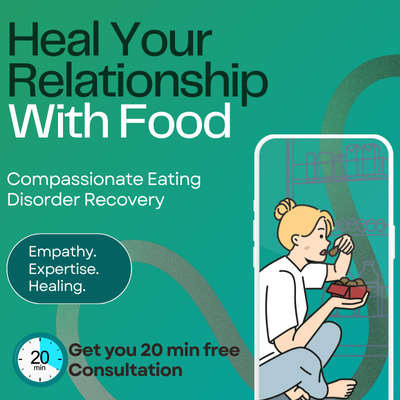
Food starts carrying emotional meaning
Meals, hunger, fullness, weight, and body image can begin to hold fear, guilt, or a sense of control.
Mental Health Support
Start your recovery with expert eating disorder therapy at Click2Pro. Get 20 mins free consultation and personalized treatment. Contact us for support now!
Get 20 Minutes Free Session
Continue with Click2Pro on WhatsApp for a calm, issue-focused next step.
Understanding The Concern
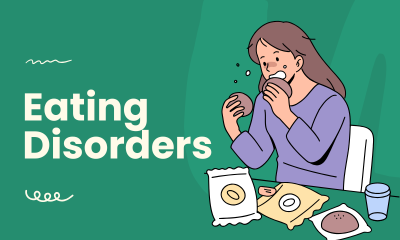
Eating disorders often affect far more than food. They can involve control, fear, shame, body image, secrecy, emotional coping, and the way everyday life starts organising itself around eating, avoiding, compensating, or trying to feel safer in the body.
If parts of this already feel familiar, the sections below can help you recognise how the pattern may be showing up in daily life and where support may help.
What often comes with this kind of strain
Meals, hunger, fullness, weight, and body image can begin to hold fear, guilt, or a sense of control.
People may work hard to hide how much mental space food and body concerns are taking up.
The behaviour may feel organised or necessary on the surface while the emotional cost keeps increasing underneath.
Routine, relationships, celebrations, confidence, and rest can all start revolving around the disorder.
Daily-Life Understanding
These signs can make it easier to recognise how the issue may be affecting thoughts, feelings, behaviour, or relationships in everyday life.
Eating may stop feeling simple and instead bring planning, fear, negotiation, or emotional fallout.
Food thoughts, body checking, calorie thinking, or self-judgment can take up a lot of mental space.
People may avoid eating with others, feel watched, or become anxious about situations they used to handle more easily.
Mood and self-respect may start shifting according to eating behaviour, weight, or the sense of being in control.
Common Patterns
These are some of the cycles, habits, and internal responses that can make the issue feel heavier over time.
Where the pattern often shows up
Eating, body, or exercise rules often start feeling necessary rather than optional.
The more shame grows, the harder it becomes to talk honestly about what is happening.
Difficult emotions, transitions, or loss of control in other areas may intensify the eating-disorder pattern.
Even when the behaviour feels temporarily controlling or relieving, the underlying distress often returns quickly.
Impact Areas
Strain like this rarely stays in one place. It often reaches emotions, routines, confidence, relationships, or the way the body settles after stress.
Impact 01
Anxiety, guilt, irritability, or low mood often increase when food and body pressure keep dominating the day.
Impact 02
Concern from others, secrecy, conflict, or misunderstanding can make closeness feel harder.
Impact 03
Work, study, rest, movement, and social plans often start adjusting around eating-disorder behaviour.
Impact 04
Energy, concentration, recovery, and physical comfort can all be affected when the pattern continues.
When Support Is Usually Needed
These are common points where people decide that coping alone is no longer enough and a steadier kind of support may help.
Who This Support Is For
If your experience sounds similar to the points below, it may be a sign that this kind of support could be relevant for you.
Self-Check Indicators
These markers are meant to support clarity, not self-diagnosis. They can help you notice whether the issue is influencing everyday functioning in a meaningful way.
Indicator 01
You notice that a difficult relationship with food, eating, body image, or control is returning often enough to affect how you think, feel, or respond through the day.
Indicator 02
Decisions are increasingly being made around the discomfort or pressure linked with a difficult relationship with food, eating, body image, or control, not only around what you actually want.
Indicator 03
Small triggers or ordinary situations connected with a difficult relationship with food, eating, body image, or control are taking more time to settle than they used to.
Indicator 04
You may understand parts of a difficult relationship with food, eating, body image, or control intellectually, while still feeling stuck when trying to reduce its effect on your own.
How Counselling Can Help
Support can help you make sense of what is happening, respond more steadily, and work on the patterns that are keeping the issue active.
Counselling can help connect eating-disorder behaviour with fear, control, shame, stress, or self-worth pressure.
Support can make it easier to talk honestly about the pattern without collapsing into blame or fear.
Therapy may help build responses to distress that do not keep returning to food, restriction, bingeing, or compensation.
The goal is to reduce the disorder’s hold on daily life and rebuild a safer relationship with food, body, and self.
What Sessions May Focus On
These are the kinds of practical areas people often work on once support begins.
Sessions often begin by mapping how food, body image, emotions, and daily behaviour are interacting right now.
Support may focus on shame, stress, perfectionism, control, relationship strain, or other pressures feeding the disorder.
Therapy can support emotional regulation, self-awareness, and recovery-focused steps around eating and body concerns.
Sessions may also focus on relapse patterns, support systems, and what helps daily life feel wider again.
Online Counselling
Online support can make it easier to begin privately, keep momentum, and stay consistent without adding more strain to daily life.
Step 01
You do not need to explain everything perfectly at once. Begin from the part that currently feels heaviest or most disruptive.
Step 02
Online support can help connect the concern with the habits, emotions, and situations that keep it active.
Step 03
Click2Pro keeps the path simple through online sessions, psychologist profile review, and WhatsApp-based guidance when you want it.
What the next step can look like
Myths vs Reality
These clarifications can help if doubt, self-minimising, or mixed advice has made it harder to decide whether support is worth considering.
Myth
It only matters if it becomes extreme.
Reality
Even when a difficult relationship with food, eating, body image, or control seems manageable on the surface, persistent strain can still affect functioning, confidence, and emotional balance.
Myth
If you understand it, it should be easy to fix alone.
Reality
Insight is important, but change often becomes easier when the deeper pattern is worked through in a more structured way.
Myth
Support is only useful when the situation becomes unmanageable.
Reality
Many people benefit before the issue reaches crisis level, especially when they want clarity, steadier coping, and a healthier next step.
Psychologists at Click2Pro
If you want to see who you may be speaking with, you can review a few psychologist profiles here before taking the next step.

Expertise

Expertise

Expertise
Speak With Click2Pro
If this is starting to affect day-to-day life, you can explore Eating Disorders through Click2Pro on WhatsApp, review psychologist profiles, or use Contact Us if you would like a calmer next step.
Full Detailed Guide
If you want the earlier long-form information on Eating Disorders, you can continue with the preserved guide below.
Eating disorders are serious and complex mental health conditions that affect millions worldwide, including a growing number in India. These conditions involve more than just food or weight concerns; they impact a person’s emotional well-being, physical health, and social life. Disorders like anorexia nervosa, bulimia nervosa, and binge eating disorder often stem from a mix of genetic, psychological, and environmental factors.
At Click2Pro, we understand the unique challenges faced by individuals battling eating disorders. Whether you're struggling with negative thoughts about food or seeking guidance for a loved one, our professional services provide personalized care to help you regain control of your life. Using evidence-based therapies, our online therapists near me are committed to helping individuals heal and recover in a compassionate, non-judgmental environment.
Eating disorders are not just about food—they are deeply rooted in emotional and psychological challenges. Each type of eating disorder manifests differently, but all require timely intervention to prevent serious health complications.
Anorexia Nervosa:
Characterized by an intense fear of gaining weight and a distorted body image.
Individuals may severely restrict their calorie intake and engage in excessive exercise.
Bulimia Nervosa:
Involves cycles of binge eating followed by purging behaviors like vomiting or laxative misuse.
Often, individuals maintain a normal weight, making the disorder harder to detect.
Binge Eating Disorder:
Characterized by consuming large quantities of food in a short period, often accompanied by guilt or shame.
Unlike bulimia, binge eating is not followed by purging behaviors.
At Click2Pro, we provide tailored support for eating disorder recovery to address these challenges. Our team combines psychological therapies with nutritional counselling to create a holistic treatment plan. With the best online therapy India services, we make expert help accessible, no matter where you are.
Eating disorders are becoming a global concern, affecting individuals of all ages and backgrounds. Worldwide, an estimated 70 million people are impacted by conditions such as anorexia, bulimia, and binge eating disorder. These disorders don’t discriminate, but certain demographics are more vulnerable due to societal pressures, genetic predispositions, and environmental factors.
In India, the numbers are steadily rising. Studies suggest that nearly 3% of the population shows signs of disordered eating behaviors. Teenagers, especially young girls, are at a higher risk due to social stigma, unrealistic beauty standards, and a lack of mental health awareness. Furthermore, men and adults are not immune—eating disorders among these groups often go unnoticed due to misconceptions about who can develop such conditions.
At Click2Pro, we aim to break the stigma and provide effective eating disorder treatment to all. Our services are designed to cater to individuals across age groups, ensuring that help is accessible for everyone in need.
Eating disorders often present a mix of physical, emotional, and behavioral symptoms, which, if left unaddressed, can lead to severe health issues. Recognizing these signs early can make a significant difference in recovery outcomes.
Common Symptoms:
Physical Symptoms: Weight fluctuations, fatigue, brittle nails, hair loss, and frequent gastrointestinal issues.
Emotional Symptoms: Anxiety about eating, distorted body image, feelings of guilt after meals, and obsessive thoughts about food or weight.
Behavioral Symptoms: Secretive eating habits, excessive exercise, or avoiding social interactions involving food.
Challenges:
In India, societal stigma remains a significant barrier to seeking eating disorder help. Many individuals fear judgment or lack awareness about professional support. Additionally, cultural expectations around body image and eating habits often exacerbate the problem, making recovery even more challenging.
Our eating disorder specialists near me work tirelessly to address these obstacles. Through customized therapies and empathetic care, Click2Pro ensures that every client feels supported on their journey to recovery.
Managing eating disorders is a challenging journey, but incorporating self-help strategies alongside professional support can significantly aid recovery. These strategies focus on building a healthier relationship with food and addressing emotional triggers.
Practical Self-Help Tips:
Practice Mindful Eating: Pay close attention to your body's hunger and fullness cues. Eating without distractions can help reduce compulsive behaviors.
Journaling: Keep a diary of your emotions, thoughts, and eating habits. It helps identify patterns and triggers for disordered behaviors.
Create a Support System: Surround yourself with people who encourage a positive outlook on body image and food.
Set Realistic Goals: Small, achievable steps, like eating regular meals, can lead to long-term recovery.
Even with these efforts, professional help is essential to overcome eating disorders entirely. The support of an eating disorder therapist ensures that deeper emotional and psychological issues are addressed effectively.
Eating disorders are complex conditions that cannot be resolved by willpower alone. Without intervention, they can lead to severe physical and mental health issues, including heart disease, malnutrition, and depression. Early diagnosis and treatment are critical for a successful recovery.
At Click2Pro, we understand that asking for help can be daunting. However, seeking professional support is a courageous step toward healing. Therapies like Cognitive Behavioral Therapy (CBT) and Dialectical Behavioral Therapy (DBT) address the underlying psychological factors contributing to eating disorders. Combining these with nutritional counselling ensures a holistic recovery process.
With eating disorder treatment near me, Click2Pro makes expert support accessible, helping individuals reclaim control over their lives and mental well-being.
At Click2Pro, we believe in a personalized and compassionate approach to treating eating disorders. Each individual’s journey is unique, and our treatment plans are tailored to address their specific needs, ensuring a comprehensive and effective recovery process.
Key Components of Our Approach:
Holistic Healing: We focus on both physical and emotional well-being, helping individuals rebuild a positive relationship with food and themselves.
Evidence-Based Therapies: Techniques like Cognitive Behavioral Therapy (CBT) and Dialectical Behavioral Therapy (DBT) are at the core of our programs, proven to aid recovery from eating disorders.
Multidisciplinary Team: Our team includes therapists, dietitians, and counselors who collaborate to provide well-rounded care.
By integrating psychological support and nutritional guidance, we empower individuals to overcome the challenges of eating disorders. For those seeking eating disorder recovery, our empathetic and expert-driven approach ensures every client feels supported at every step.
Recovery from eating disorders is possible, and the stories of our clients inspire hope and resilience. At Click2Pro, we’ve had the privilege of witnessing many individuals reclaim their lives through our tailored therapies.
Client Highlights:
Anita’s Journey: Struggling with binge eating disorder for years, Anita found relief through our personalized CBT sessions and group therapy support. Today, she has a healthier relationship with food and her body.
Ravi’s Transformation: Ravi, a young professional, sought help for bulimia nervosa. Our team provided a mix of therapy and nutritional counselling, enabling him to break the cycle of binge-purge behaviors.
These stories highlight the effectiveness of our methods and the dedication of our team in addressing eating disorders. With the help of an eating disorder specialist near me, recovery is within reach for anyone ready to take the first step.
Eating disorders are increasingly being recognized as significant public health concerns, affecting millions of people across the globe. The numbers tell a story of growing prevalence and the urgent need for intervention.
Global Statistics:
An estimated 70 million people worldwide suffer from eating disorders, with anorexia nervosa and bulimia nervosa being the most prevalent conditions.
Among teenagers, eating disorders are the third most common chronic illness in high-income countries.
Binge Eating Disorder affects approximately 3.5% of women and 2% of men globally, making it the most common eating disorder.
Indian Insights:
Nearly 3% of the Indian population is affected by eating disorders, with a significant portion of cases going undiagnosed due to social stigma.
Adolescent girls in urban areas exhibit high rates of disordered eating behaviors, driven by societal pressures and beauty standards.
A study highlighted that up to 26.67% of adolescent females in India experience disturbed eating attitudes.
For individuals seeking solutions, Click2Pro’s eating disorder treatment near me bridges the gap between awareness and action. Our services are designed to cater to the unique needs of individuals across different age groups and cultural backgrounds.
Q1: What are the early signs of eating disorders?
Early signs include preoccupation with weight, food, and body image, secretive eating behaviors, extreme dieting, and physical symptoms like fatigue and hair loss. It’s important to consult an expert if these behaviors are noticed.
Q2: Can eating disorders affect men as well?
Yes, eating disorders can affect anyone, regardless of gender. In India, cases among men are often underreported due to societal misconceptions. Seeking help from an eating disorder therapist near me can provide the right support.
Q3: How long does recovery from eating disorders take?
Recovery timelines vary based on the severity of the condition and the individual’s response to treatment. It can take months to years, but early intervention improves outcomes significantly.
Q4: Are online therapies effective for eating disorders?
Yes, online therapy is effective for managing eating disorders. Click2Pro offers accessible and personalized online therapy sessions, ensuring expert care for individuals anywhere in India.
Q5: Is family support important during recovery?
Absolutely. Family support plays a crucial role in recovery, providing emotional stability and encouragement throughout the process.
Eating disorders are complex but treatable conditions that require compassionate care and expert support. At Click2Pro, we are dedicated to helping individuals regain control of their lives through personalized therapy, evidence-based treatments, and holistic healing. Whether you or a loved one is struggling, remember that recovery is possible with the right guidance. Take the first step today—reach out to Click2Pro and start your journey toward a healthier, happier you. Your recovery begins here.
Click2Pro Homepage
If Eating Disorders is only part of what you are trying to understand, the homepage gives a broader overview of support options across India.
Related discovery
These options stay close to what you may be dealing with, so it is easier to keep going without losing the thread.
Related Services
Support areas that stay close to this concern if you want to compare what may fit best.
Related Cities
Major cities where this kind of support is available if location matters to your next step.
Related Blogs
Guides and articles that stay close to the current theme.
Related Psychologists
Psychologists you may want to compare if you are looking for someone who feels like a good fit.
FAQ
These answers cover some of the questions people often have when they are trying to understand the issue and decide whether support may help.

Prioritizing mental health is crucial for a balanced and fulfilling life. At Click2Pro, we understand that mental well-being affects every aspect of your life. By investing in mental health, you enhance your happiness and resilience, better equipping yourself to face life's challenges. Our top psychologists and therapists provide personalized, confidential care tailored to your unique needs. Embrace better mental health with Click2Pro and experience the transformative power of compassionate, expert support. You deserve to thrive.



Talk to Therapist