The pattern is often long-standing
People may look back and recognise similar struggles across many relationships or life stages.
Mental Health Support
Expert personality disorder therapy for lasting change. Start with a 20-min free session—compassionate, professional support for mental well-being.
Get 20 Minutes Free Session
Continue with Click2Pro on WhatsApp for a calm, issue-focused next step.
Understanding The Concern
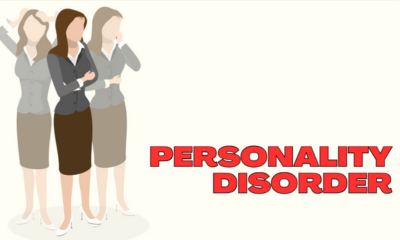
Personality-related difficulties often involve long-running patterns in emotional regulation, relationships, self-image, trust, and coping. The experience is usually not about being a ‘difficult person’. It is about patterns that have become deeply ingrained and are now affecting daily life, closeness, stability, and self-understanding.
If parts of this already feel familiar, the sections below can help you recognise how the pattern may be showing up in daily life and where support may help.
What often comes with this kind of strain
People may look back and recognise similar struggles across many relationships or life stages.
Reactions, fear, shame, mistrust, or conflict may take up more space than the person wants.
How the person feels about themselves can change sharply depending on stress, feedback, or closeness with others.
Because the pattern is established, support usually needs patience, structure, and honesty rather than quick fixes.
Daily-Life Understanding
These signs can make it easier to recognise how the issue may be affecting thoughts, feelings, behaviour, or relationships in everyday life.
Closeness, criticism, distance, or disappointment may feel unusually difficult to regulate.
Different situations can start producing a very familiar emotional outcome.
People may withdraw, attack, cling, shut down, or become highly defensive when overwhelmed.
People often feel confused by why they keep repeating patterns they genuinely want to change.
Common Patterns
These are some of the cycles, habits, and internal responses that can make the issue feel heavier over time.
Where the pattern often shows up
Responses that once felt protective may now be making relationships and daily life harder.
Stressful moments may quickly connect with shame, rejection, or threat.
After conflict, people may struggle to trust, calm down, or believe the relationship can stabilise again.
Anger, distance, idealisation, or control may be covering fear, pain, or instability underneath.
Impact Areas
Strain like this rarely stays in one place. It often reaches emotions, routines, confidence, relationships, or the way the body settles after stress.
Impact 01
Mood and reactivity may shift quickly when stress or relationship pressure rises.
Impact 02
Trust, boundaries, closeness, and communication may all feel more fragile or intense.
Impact 03
Work, routine, or recovery may suffer when emotional energy is repeatedly pulled into conflict or self-protection.
Impact 04
People may feel trapped between wanting change and not fully understanding how the pattern keeps taking over.
When Support Is Usually Needed
These are common points where people decide that coping alone is no longer enough and a steadier kind of support may help.
Who This Support Is For
If your experience sounds similar to the points below, it may be a sign that this kind of support could be relevant for you.
Self-Check Indicators
These markers are meant to support clarity, not self-diagnosis. They can help you notice whether the issue is influencing everyday functioning in a meaningful way.
Indicator 01
You notice that long-running emotional and relational patterns that feel hard to manage is returning often enough to affect how you think, feel, or respond through the day.
Indicator 02
Decisions are increasingly being made around the discomfort or pressure linked with long-running emotional and relational patterns that feel hard to manage, not only around what you actually want.
Indicator 03
Small triggers or ordinary situations connected with long-running emotional and relational patterns that feel hard to manage are taking more time to settle than they used to.
Indicator 04
You may understand parts of long-running emotional and relational patterns that feel hard to manage intellectually, while still feeling stuck when trying to reduce its effect on your own.
How Counselling Can Help
Support can help you make sense of what is happening, respond more steadily, and work on the patterns that are keeping the issue active.
Therapy can help name what keeps repeating while still holding on to the person’s full story and strengths.
Support may focus on what makes the pattern flare and why certain reactions feel so immediate.
Counselling can help with regulation, boundaries, communication, and responding with more choice.
The work is often about making patterns more understandable and less automatic over time.
What Sessions May Focus On
These are the kinds of practical areas people often work on once support begins.
Sessions often begin with the repeated conflicts, fears, or emotional loops causing the most strain now.
Support may focus on shame, abandonment fears, distrust, anger, or long-standing coping styles.
Therapy can work on regulation, repair, boundaries, and ways of staying present without escalating or shutting down.
Sessions usually revisit what is shifting, what stays difficult, and what makes progress more sustainable.
Online Counselling
Online support can make it easier to begin privately, keep momentum, and stay consistent without adding more strain to daily life.
Step 01
You do not need to explain everything perfectly at once. Begin from the part that currently feels heaviest or most disruptive.
Step 02
Online support can help connect the concern with the habits, emotions, and situations that keep it active.
Step 03
Click2Pro keeps the path simple through online sessions, psychologist profile review, and WhatsApp-based guidance when you want it.
What the next step can look like
Myths vs Reality
These clarifications can help if doubt, self-minimising, or mixed advice has made it harder to decide whether support is worth considering.
Myth
It only matters if it becomes extreme.
Reality
Even when long-running emotional and relational patterns that feel hard to manage seems manageable on the surface, persistent strain can still affect functioning, confidence, and emotional balance.
Myth
If you understand it, it should be easy to fix alone.
Reality
Insight is important, but change often becomes easier when the deeper pattern is worked through in a more structured way.
Myth
Support is only useful when the situation becomes unmanageable.
Reality
Many people benefit before the issue reaches crisis level, especially when they want clarity, steadier coping, and a healthier next step.
Psychologists at Click2Pro
If you want to see who you may be speaking with, you can review a few psychologist profiles here before taking the next step.

Expertise

Expertise

Expertise
Speak With Click2Pro
If this is starting to affect day-to-day life, you can explore Personality Disorder Therapy through Click2Pro on WhatsApp, review psychologist profiles, or use Contact Us if you would like a calmer next step.
Full Detailed Guide
If you want the earlier long-form information on Personality Disorder Therapy, you can continue with the preserved guide below.
Living with a personality disorder can profoundly affect daily life, relationships, and self-esteem. At Click2Pro, our specialized personality disorder therapy empowers individuals to navigate these challenges with compassion and support. With growing awareness about mental health, people are seeking solutions tailored to their unique needs, making therapy more accessible than ever.
In India, the rise of online therapy India services has enabled individuals from diverse backgrounds to seek professional help without geographical limitations. At Click2Pro, we offer evidence-based approaches like Cognitive Behavioral Therapy (CBT) and Dialectical Behavior Therapy (DBT) to address the unique struggles of personality disorders. Our aim is to help clients understand their emotions, build resilience, and lead a more balanced life through structured and compassionate care.
Seeking personality disorder therapy is not just about managing symptoms; it's a step toward rediscovering your inner strength and improving the quality of your relationships. Whether you're struggling with emotional regulation or maintaining stable connections, our therapists provide personalized guidance to help you thrive.
Personality disorders are more common than many realize, impacting millions worldwide. Globally, approximately 9% of the population is affected by these disorders, with varying degrees of intensity. In India, the stigma around mental health often prevents individuals from seeking help, yet the numbers are no less significant. Studies estimate that 1-3% of Indians experience personality disorders that disrupt their daily lives and relationships.
Demographic-specific impacts include:
Teens and Young Adults: Struggling with identity and relationships, often compounded by academic pressures.
Women: Frequently facing challenges related to Borderline Personality Disorder (BPD), emotional regulation, and interpersonal conflicts.
Men: Commonly dealing with Obsessive-Compulsive Personality Disorder (OCPD) and dependency issues.
Elderly Adults: Often overlooked, personality disorders in seniors can lead to isolation and deteriorating relationships.
The ripple effect of personality disorders extends beyond the individual to families, workplaces, and communities. These disorders can disrupt careers, strain marriages, and hinder personal growth. With the right personality disorder therapy, however, individuals can learn to manage symptoms and lead fulfilling lives.
Personality disorders are characterized by enduring behavioral and emotional patterns that deviate significantly from societal norms. These patterns often lead to difficulties in relationships, self-perception, and daily functioning. Recognizing these symptoms is the first step toward seeking effective personality disorder therapy.
Common challenges associated with personality disorders include:
Emotional Instability: Intense mood swings and difficulty regulating emotions, commonly seen in Borderline Personality Disorder (BPD).
Difficulty in Relationships: Persistent conflicts, fear of abandonment, or avoidance of social interactions, as seen in Avoidant Personality Disorder (AVPD).
Perfectionism: A hallmark of Obsessive-Compulsive Personality Disorder (OCPD), leading to stress and strained work-life balance.
Identity Issues: Struggles with self-image and dependency, particularly prevalent in Dependent Personality Disorder (DPD).
These challenges often result in a diminished quality of life, impacting both personal and professional relationships. Seeking personality disorder therapy not only addresses these symptoms but also provides tools to build a more stable and fulfilling life. Early intervention is key, as untreated symptoms can worsen over time, leading to greater isolation and distress.
While professional personality disorder therapy is essential, incorporating self-help strategies can complement the healing process. These techniques empower individuals to take proactive steps in managing their symptoms and improving daily functioning.
Practice Mindfulness: Techniques like deep breathing and grounding exercises help regulate emotions, especially for those experiencing intense mood swings.
Establish Routine: For individuals with OCPD, a structured daily schedule provides a sense of control, reducing anxiety.
Journaling: Reflecting on emotions and identifying triggers can improve self-awareness, a critical step in personal growth.
Challenge Negative Thoughts: Replacing self-critical thoughts with self-compassion builds resilience, particularly for those with AVPD.
Build a Support System: Connecting with trusted friends or family members reduces isolation and fosters healthier relationships.
These self-help tips are valuable for day-to-day management but do not replace the effectiveness of professional personality disorder therapy. Combining these strategies with therapy can lead to more sustained and impactful results.
Managing personality disorders without professional support can be incredibly challenging. While self-help strategies provide temporary relief, the complexities of personality disorders often require structured intervention through personality disorder therapy.
Here are the key reasons to seek professional help:
Understanding Behavioral Patterns: Therapy helps uncover the root causes of harmful patterns, offering insights into how they affect daily life.
Emotional Regulation: Professional therapists provide techniques to manage intense emotions and reduce impulsive behaviors, which are common in personality disorders.
Relationship Improvement: By addressing interpersonal challenges, therapy helps improve communication and strengthen personal connections.
With the availability of online counselling India, accessing professional help is now more convenient and flexible. Professional therapy enables individuals to build resilience and regain control over their lives, making it a vital step toward lasting change.
At Click2Pro, we understand that every individual’s journey with a personality disorder is unique. Our customized personality disorder therapy programs are tailored to address specific challenges, using evidence-based methods like CBT, DBT, and psychodynamic therapy.
1. Dialectical Behavior Therapy (DBT)
DBT is designed to help individuals manage intense emotions and reduce impulsive behaviors. Particularly effective for Borderline Personality Disorder (BPD), DBT provides skills for emotional regulation, distress tolerance, and improving relationships.
2. Cognitive Behavioral Therapy (CBT)
CBT focuses on identifying and challenging distorted thought patterns. It is especially beneficial for individuals with Avoidant Personality Disorder (AVPD) and Obsessive-Compulsive Personality Disorder (OCPD), as it helps reduce social anxiety and manage perfectionism.
3. Psychodynamic Therapy
This approach delves into unconscious influences on behavior, fostering self-awareness and emotional growth. For individuals with Dependent Personality Disorder (DPD), psychodynamic therapy helps uncover attachment-related issues and promotes healthier independence.
Our therapists at Click2Pro combine these methods with a compassionate, client-focused approach. With personality disorder therapy, we empower individuals to overcome challenges and lead more balanced lives.
Many individuals have experienced life-changing results through personality disorder therapy at Click2Pro. By addressing their unique challenges with compassion and evidence-based techniques, our clients have regained control over their lives and relationships.
Case Study 1: Overcoming Emotional Instability
A client struggling with Borderline Personality Disorder (BPD) experienced intense mood swings and fear of abandonment, disrupting relationships. Through Dialectical Behavior Therapy (DBT), they developed skills for emotional regulation and improved communication, ultimately rebuilding trust in their relationships.
Case Study 2: Reducing Social Anxiety
Another client with Avoidant Personality Disorder (AVPD) faced overwhelming anxiety in social settings. With the help of Cognitive Behavioral Therapy (CBT), they challenged negative thought patterns and gained confidence, enabling them to foster meaningful personal and professional relationships.
These stories highlight how personality disorder therapy can empower individuals to overcome obstacles and achieve personal growth.
1. How long does therapy take?
The duration of therapy varies by individual, depending on the severity of symptoms and personal goals. Many clients begin to see progress within 3-6 months, but long-term commitment often yields the most lasting results.
2. Can therapy be conducted online?
Yes, Click2Pro offers secure and flexible online therapy sessions. Our personality disorder therapy services are designed to provide professional support from the comfort of your home.
3. Is personality disorder therapy effective?
Absolutely. Therapies like DBT, CBT, and psychodynamic therapy are proven to help manage symptoms, improve relationships, and promote emotional stability.
4. How do I know if I need therapy?
If you experience persistent challenges in emotional regulation, relationships, or self-perception, seeking personality disorder therapy can provide tools and strategies to regain balance.
5. What therapy options are available for personality disorders?
Click2Pro offers a range of therapies, including DBT for emotional regulation, CBT for thought restructuring, and psychodynamic therapy for exploring deeper behavioral patterns.
Taking the first step toward mental wellness is often the hardest, but with Click2Pro, you’re never alone. Our expert personality disorder therapy services are tailored to provide the support you need to navigate life’s challenges effectively. Whether you’re struggling with emotional regulation, self-esteem issues, or maintaining healthy relationships, we’re here to guide you.
Book a free 20-minute consultation today and explore how our personalized approach can make a lasting difference. Seeking professional help through personality disorder therapy is not just about addressing symptoms; it’s about empowering yourself to live a more balanced, fulfilling life. Our flexible online sessions make therapy accessible, ensuring you receive compassionate support from anywhere.
Don’t wait—connect with Click2Pro and take the first step toward transforming your life.
Understanding the scope of personality disorders can help normalize the challenges individuals face and encourage them to seek personality disorder therapy. Globally, studies suggest that approximately 9% of the population experiences a personality disorder at some point in their lives. These disorders often go undiagnosed due to stigma and lack of awareness.
India-Specific Insights
In India, personality disorders impact approximately 1-3% of the population. Some key observations include:
Adolescents: Identity-related struggles and interpersonal challenges are common among teens, often linked to Avoidant Personality Disorder (AVPD) and Borderline Personality Disorder (BPD).
Men: High rates of perfectionism and control-related issues are observed, primarily associated with Obsessive-Compulsive Personality Disorder (OCPD).
Women: Emotional regulation and fear of abandonment issues are prevalent, with BPD being one of the most commonly diagnosed personality disorders.
Elderly: In seniors, these disorders often manifest as isolation and dependency issues, which can significantly affect quality of life.
These statistics emphasize the need for accessible and effective personality disorder therapy, which can transform lives by addressing core issues and promoting mental well-being.
Click2Pro Homepage
If you want to step back from Personality Disorder Therapy and look at support more broadly, the homepage can help you compare options without narrowing too quickly.
Related discovery
These options stay close to what you may be dealing with, so it is easier to keep going without losing the thread.
Related Services
Support areas that stay close to this concern if you want to compare what may fit best.
Related Cities
Major cities where this kind of support is available if location matters to your next step.
Related Blogs
Guides and articles that stay close to the current theme.
Related Psychologists
Psychologists you may want to compare if you are looking for someone who feels like a good fit.
FAQ
These answers cover some of the questions people often have when they are trying to understand the issue and decide whether support may help.

Prioritizing mental health is crucial for a balanced and fulfilling life. At Click2Pro, we understand that mental well-being affects every aspect of your life. By investing in mental health, you enhance your happiness and resilience, better equipping yourself to face life's challenges. Our top psychologists and therapists provide personalized, confidential care tailored to your unique needs. Embrace better mental health with Click2Pro and experience the transformative power of compassionate, expert support. You deserve to thrive.





Talk to Therapist