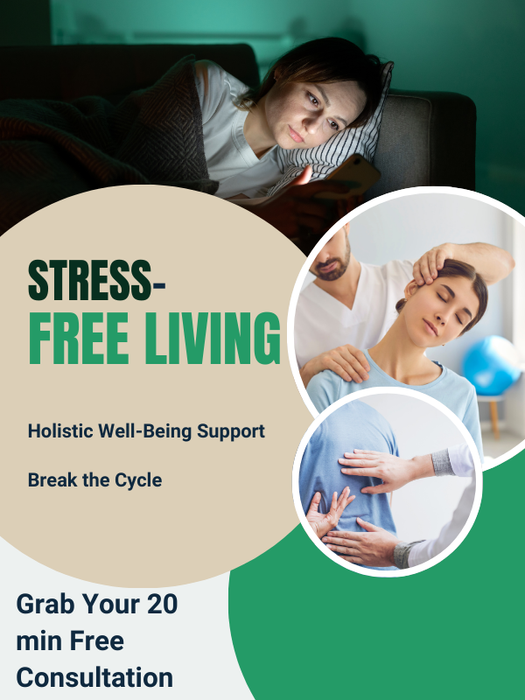
The symptoms feel real
People are often dealing with genuine physical discomfort as well as the emotional burden around it.
Mental Health Support
Expert somatic symptom disorder therapy from Click2Pro. Work with top clinical psychologists to ease health anxiety. Start with a 20-min free session!
Get 20 Minutes Free Session
Continue with Click2Pro on WhatsApp for a calm, issue-focused next step.
Understanding The Concern
Somatic symptom difficulties often involve real physical distress alongside repeated worry, checking, fear, or a growing sense that the body can no longer be trusted. The problem is not ‘imagined symptoms’. It is how physical discomfort and emotional alarm start feeding each other until daily life narrows around the concern.
If parts of this already feel familiar, the sections below can help you recognise how the pattern may be showing up in daily life and where support may help.
What often comes with this kind of strain
People are often dealing with genuine physical discomfort as well as the emotional burden around it.
Worry, monitoring, and uncertainty may gradually take over the day.
Even after checking or hearing that things are okay, fear may return quickly.
Routine, plans, and confidence may start organising themselves around symptoms and alertness.
Daily-Life Understanding
These signs can make it easier to recognise how the issue may be affecting thoughts, feelings, behaviour, or relationships in everyday life.
Small changes in the body may start feeling significant, urgent, or difficult to dismiss.
People may keep scanning, checking, researching, or anticipating what the body will do next.
Travel, work, social situations, or rest may all feel less predictable when the body feels uncertain.
People may fear being dismissed if they talk about the emotional side of a very physical experience.
Common Patterns
These are some of the cycles, habits, and internal responses that can make the issue feel heavier over time.
Where the pattern often shows up
A sensation may quickly lead to fear, checking, and heightened attention.
The more closely the body is monitored, the harder it can be to feel settled.
Checking often reduces anxiety briefly without changing the deeper cycle.
Emotional strain may then worsen physical comfort, which keeps the loop active.
Impact Areas
Strain like this rarely stays in one place. It often reaches emotions, routines, confidence, relationships, or the way the body settles after stress.
Impact 01
It becomes harder to feel mentally at rest when the body keeps feeling uncertain or alarming.
Impact 02
Daily life may start revolving around avoiding discomfort, preparing for it, or recovering from it.
Impact 03
Loved ones may be drawn into reassurance, concern, frustration, or confusion.
Impact 04
People often feel less free because the body no longer feels predictable or safe.
When Support Is Usually Needed
These are common points where people decide that coping alone is no longer enough and a steadier kind of support may help.
Who This Support Is For
If your experience sounds similar to the points below, it may be a sign that this kind of support could be relevant for you.
Self-Check Indicators
These markers are meant to support clarity, not self-diagnosis. They can help you notice whether the issue is influencing everyday functioning in a meaningful way.
Indicator 01
You notice that distress around physical symptoms and the worry they create is returning often enough to affect how you think, feel, or respond through the day.
Indicator 02
Decisions are increasingly being made around the discomfort or pressure linked with distress around physical symptoms and the worry they create, not only around what you actually want.
Indicator 03
Small triggers or ordinary situations connected with distress around physical symptoms and the worry they create are taking more time to settle than they used to.
Indicator 04
You may understand parts of distress around physical symptoms and the worry they create intellectually, while still feeling stuck when trying to reduce its effect on your own.
How Counselling Can Help
Support can help you make sense of what is happening, respond more steadily, and work on the patterns that are keeping the issue active.
Counselling can hold both the physical reality and the emotional burden at the same time.
Support may focus on how fear, checking, and attention are interacting with symptoms.
Therapy can help people relate to symptoms with less panic and less repeated alarm.
The aim is often to widen routine, confidence, and coping without pretending the issue feels simple.
What Sessions May Focus On
These are the kinds of practical areas people often work on once support begins.
Sessions often begin with how symptoms, fear, checking, and reassurance are currently connected.
Support may focus on health anxiety, uncertainty, stress, and the need to monitor or prepare.
Therapy can help reduce repeated escalation while still taking the person’s experience seriously.
Sessions may also focus on getting routine, confidence, and daily freedom back in ways that feel realistic.
Online Counselling
Online support can make it easier to begin privately, keep momentum, and stay consistent without adding more strain to daily life.
Step 01
You do not need to explain everything perfectly at once. Begin from the part that currently feels heaviest or most disruptive.
Step 02
Online support can help connect the concern with the habits, emotions, and situations that keep it active.
Step 03
Click2Pro keeps the path simple through online sessions, psychologist profile review, and WhatsApp-based guidance when you want it.
What the next step can look like
Myths vs Reality
These clarifications can help if doubt, self-minimising, or mixed advice has made it harder to decide whether support is worth considering.
Myth
It only matters if it becomes extreme.
Reality
Even when distress around physical symptoms and the worry they create seems manageable on the surface, persistent strain can still affect functioning, confidence, and emotional balance.
Myth
If you understand it, it should be easy to fix alone.
Reality
Insight is important, but change often becomes easier when the deeper pattern is worked through in a more structured way.
Myth
Support is only useful when the situation becomes unmanageable.
Reality
Many people benefit before the issue reaches crisis level, especially when they want clarity, steadier coping, and a healthier next step.
Psychologists at Click2Pro
If you want to see who you may be speaking with, you can review a few psychologist profiles here before taking the next step.

Expertise

Expertise

Expertise
Speak With Click2Pro
If this is starting to affect day-to-day life, you can explore Somatic Symptom Disorder Therapy through Click2Pro on WhatsApp, review psychologist profiles, or use Contact Us if you would like a calmer next step.
Full Detailed Guide
If you want the earlier long-form information on Somatic Symptom Disorder Therapy, you can continue with the preserved guide below.
Navigating unexplained physical symptoms can feel overwhelming, especially when they disrupt daily life. Somatic symptom disorder therapy is designed to provide clarity, comfort, and a path toward healing for those grappling with persistent physical discomfort and health anxiety. At Click2Pro, we specialize in offering compassionate care that addresses not only the physical but also the emotional toll of somatic symptom disorder.
In India, many individuals—ranging from teens to adults—struggle with unexplained symptoms such as chronic pain, fatigue, or dizziness. According to studies, a significant percentage of patients in primary care settings exhibit symptoms related to somatic symptom disorder therapy needs. These cases often go unnoticed or misunderstood, emphasizing the importance of tailored intervention.
By choosing Click2Pro, you're connecting with the best online psychologist, who will guide you through managing physical symptoms, easing anxiety, and regaining control over your life. Our evidence-based approach ensures you’re equipped to face challenges with resilience and renewed confidence.
Somatic Symptom Disorder (SSD) is a condition where individuals experience persistent physical symptoms—such as pain, fatigue, or difficulty breathing—that cause distress or interfere with daily life. These symptoms often exist without a clear medical explanation, leaving sufferers anxious and frustrated. At the core of SSD lies heightened sensitivity to bodily sensations, often exacerbated by health anxiety.
Key signs of SSD include physical discomfort, frequent medical consultations, avoidance behavior, and emotional distress. Individuals with anxiety somatic symptom disorder may believe minor bodily sensations indicate serious health issues, creating a cycle of worry and discomfort.
Through somatic symptom disorder therapy, we help clients break this cycle. By focusing on cognitive restructuring and mindfulness, therapy empowers individuals to reframe their health concerns and reduce symptom intensity. This approach fosters a deeper understanding of the connection between mind and body, providing relief and promoting overall well-being.
Understanding the prevalence of Somatic Symptom Disorder (SSD) highlights the need for timely intervention. Globally, about 5-7% of adults experience SSD, with women being disproportionately affected. In India, studies reveal that over 30% of primary care patients exhibit symptoms requiring somatic symptom disorder therapy, particularly in urban and high-stress environments.
Teenagers and young adults frequently report unexplained physical symptoms tied to academic pressure and lifestyle stress. Similarly, middle-aged individuals—especially women—often seek help for persistent fatigue or chronic pain linked to somatic symptom disorder. The condition also impacts older adults, where symptoms like dizziness or breathlessness are mistakenly attributed solely to aging.
By recognizing these demographics, somatic symptom disorder therapy can be tailored to provide effective care for individuals across all life stages, addressing both cultural and personal nuances.
While professional therapy is essential, self-help strategies can play a supportive role in managing SSD. These methods focus on reducing symptom focus and easing anxiety.
Limit Symptom Searches: Avoid excessive online research about symptoms. This habit often amplifies health anxiety associated with anxiety somatic symptom disorder.
Practice Mindfulness: Engage in techniques like mindful breathing or body scans to divert focus from physical discomfort and reduce stress.
Use a Worry Period: Allocate a specific time each day for health-related concerns to prevent them from dominating your thoughts.
Stay Active: Gentle exercises such as yoga or walking promote relaxation and ease the physical tension linked to somatic symptom disorder therapy.
Strengthen Social Connections: Share your feelings with trusted friends or family, fostering reassurance and emotional support.
Incorporating these practices alongside therapy creates a balanced approach to managing SSD, reducing distress, and improving overall well-being.
Living with Somatic Symptom Disorder (SSD) can be isolating and challenging, often leading to emotional distress and impaired daily functioning. While self-help strategies provide temporary relief, they may not address the root cause of the symptoms. This is where somatic symptom disorder therapy plays a transformative role.
Professional therapy offers a structured approach to managing health concerns. It helps individuals reframe unhelpful thoughts, reduce excessive worry, and regain control over their lives. For those dealing with somatic symptom disorder, therapy also provides tools to address health anxiety, enabling individuals to understand and manage the connection between their thoughts, emotions, and physical symptoms.
At Click2Pro, our evidence-based therapies are designed to provide effective solutions. As one of the providers of the best online therapy in India, we guide clients in reducing health-related fears and improving their overall quality of life.
At Click2Pro, our approach to somatic symptom disorder therapy is personalized and evidence-based. We integrate multiple therapeutic techniques to address both the physical and emotional components of SSD, ensuring a holistic recovery.
Cognitive Behavioral Therapy (CBT): This cornerstone of treatment helps clients identify and challenge unhelpful thoughts linked to their symptoms. By addressing these thought patterns, somatic symptom disorder clients experience reduced anxiety and distress.
Mindfulness-Based Stress Reduction (MBSR): Mindfulness techniques, such as body scans and meditation, help clients observe their sensations without judgment. This reduces the intensity of physical symptoms and fosters resilience.
Lifestyle Adjustments: Effective therapy also involves setting realistic goals, developing daily routines, and reintroducing activities that clients may have been avoiding.
Family Education: Families play a critical role in recovery. We guide them to support clients effectively while avoiding reinforcement of health-related anxieties.
With a compassionate and professional approach, our therapists empower clients to navigate their challenges and build a fulfilling life.
At Click2Pro, we take pride in helping individuals regain their confidence and peace of mind through our somatic symptom disorder therapy. Here are a couple of success stories that highlight the positive impact of our services:
Priya, 28: “I used to constantly worry about my health, convinced that every ache was something serious. Through somatic symptom disorder therapy, I learned to manage my thoughts and focus on what truly matters. Now, I feel free from the constant fear.”
Rahul, 36: “Click2Pro’s therapy helped me understand my body and mind better. My anxiety around physical symptoms has drastically reduced, and I’ve been able to reintroduce activities I once avoided due to fear.”
These testimonials reflect how personalized care and evidence-based practices can transform lives. If you or someone you know is dealing with somatic symptom disorder, therapy at Click2Pro can provide the same life-changing support.
1. How long does it take to see results with somatic symptom disorder therapy?
Results vary, but many clients notice improvements within 3–4 months of consistent therapy combined with self-help strategies.
2. Can therapy address physical symptoms of somatic symptom disorder?
Yes, therapy helps manage the distress and anxiety that intensify physical symptoms. This often leads to a reduction in symptom severity.
3. How does CBT help with somatic symptom disorder?
Cognitive Behavioral Therapy focuses on identifying and restructuring unhelpful thought patterns, which reduces the focus on physical symptoms and eases anxiety.
4. Can therapy be effective for anxiety somatic symptom disorder in teens?
Absolutely. Teenagers benefit greatly from tailored therapy that teaches coping mechanisms and helps them manage health-related worries.
5. Why is professional help necessary for managing somatic symptom disorder?
Professional therapy offers structured tools to break the cycle of worry and symptom focus, enabling individuals to regain control of their lives.
By addressing these common concerns, we aim to make the journey toward recovery through somatic symptom disorder therapy more accessible and reassuring.
Take the first step toward reclaiming your life with somatic symptom disorder therapy at Click2Pro. Living with constant health worries and unexplained physical symptoms can feel isolating, but help is available. Our compassionate team of professionals is dedicated to helping you navigate the challenges of somatic symptom disorder and find relief.
Don’t let your symptoms control your life any longer. With personalized care and evidence-based therapies, we empower you to overcome health anxiety and focus on what truly matters. Whether you’re seeking clarity, support, or a fresh start, our services are designed to meet your unique needs.
Reach out today and discover how somatic symptom disorder therapy can transform your life. Take advantage of our free 20-minute session to get started on the path to well-being and peace of mind.
Living with Somatic Symptom Disorder (SSD) can be challenging, but you don’t have to face it alone. At Click2Pro, we provide comprehensive somatic symptom disorder therapy tailored to your unique needs, empowering you to regain control over your life and find relief from persistent symptoms and health-related worries.
Our evidence-based techniques, combined with compassionate care, ensure that you are supported every step of the way. Whether you’re experiencing physical discomfort, struggling with health anxiety, or seeking clarity, therapy can make a transformative difference.
Take the first step today. With Click2Pro, you’re not just accessing therapy—you’re building a path toward a healthier, more fulfilling future. Start your journey with us and experience the difference of personalized, professional care. Together, we can help you overcome the challenges of somatic symptom disorder and embrace a life of confidence and well-being.
Click2Pro Homepage
If you want to step back from Somatic Symptom Disorder Therapy and look at support more broadly, the homepage can help you compare options without narrowing too quickly.
Related discovery
These options stay close to what you may be dealing with, so it is easier to keep going without losing the thread.
Related Services
Support areas that stay close to this concern if you want to compare what may fit best.
Related Cities
Major cities where this kind of support is available if location matters to your next step.
Related Blogs
Guides and articles that stay close to the current theme.
Related Psychologists
Psychologists you may want to compare if you are looking for someone who feels like a good fit.
FAQ
These answers cover some of the questions people often have when they are trying to understand the issue and decide whether support may help.

Prioritizing mental health is crucial for a balanced and fulfilling life. At Click2Pro, we understand that mental well-being affects every aspect of your life. By investing in mental health, you enhance your happiness and resilience, better equipping yourself to face life's challenges. Our top psychologists and therapists provide personalized, confidential care tailored to your unique needs. Embrace better mental health with Click2Pro and experience the transformative power of compassionate, expert support. You deserve to thrive.





Talk to Therapist