What may be happening
Social isolation and disconnection often shows up through thoughts, emotions, habits, or relationship patterns before it feels easy to explain clearly.
Relationship Issue Support
Discover therapy for social isolation to reconnect and build confidence. Get 20 mins free session with Click2Pro’s expert therapists.
Get 20 Minutes Free Session
Continue with Click2Pro on WhatsApp for a calm, issue-focused next step.
Understanding The Concern
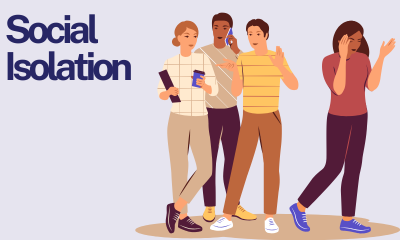
social isolation and disconnection usually affects more than one conversation or one disagreement. It can influence trust, emotional safety, communication style, and the way people feel about closeness itself.
If parts of this already feel familiar, the sections below can help you recognise how the pattern may be showing up in daily life and where support may help.
What often comes with this kind of strain
Social isolation and disconnection often shows up through thoughts, emotions, habits, or relationship patterns before it feels easy to explain clearly.
Many people keep adapting around social isolation and disconnection, which can make the strain feel normal even when it is already affecting daily balance.
The effect of social isolation and disconnection can reach mood, routine, confidence, communication, or the ability to feel settled through the day.
Counselling can make social isolation and disconnection feel more understandable, less isolating, and easier to respond to with steadier next steps.
Daily-Life Understanding
These signs can make it easier to recognise how the issue may be affecting thoughts, feelings, behaviour, or relationships in everyday life.
social isolation and disconnection often makes ordinary conversations feel heavier because tension is already sitting underneath the relationship dynamic.
People may still care deeply, but the ability to calm down, reconnect, or feel understood becomes less reliable.
social isolation and disconnection may show up as repeated arguments, emotional withdrawal, or both at the same time.
Relationship strain often spills into sleep, confidence, routine, and decision-making outside the relationship as well.
Common Patterns
These are some of the cycles, habits, and internal responses that can make the issue feel heavier over time.
Where the pattern often shows up
The same underlying tension may keep returning with different triggers but a very similar emotional pattern.
Both people may start reacting to tone, history, or fear rather than hearing what is actually being said in the moment.
Silence, withdrawal, over-explaining, or emotional distance can become the default way of preventing another rupture.
When social isolation and disconnection stays unresolved, even positive moments may not fully rebuild stability or closeness.
Impact Areas
Strain like this rarely stays in one place. It often reaches emotions, routines, confidence, relationships, or the way the body settles after stress.
Impact 01
social isolation and disconnection can affect whether people feel understood, respected, or secure enough to be emotionally honest.
Impact 02
It gets harder to say what matters calmly when the conversation already feels emotionally risky.
Impact 03
Routine decisions, family atmosphere, and emotional recovery often become harder when relationship strain remains active.
Impact 04
People may start doubting themselves, over-monitoring their responses, or carrying guilt and confusion for longer than they should.
When Support Is Usually Needed
These are common points where people decide that coping alone is no longer enough and a steadier kind of support may help.
Who This Support Is For
If your experience sounds similar to the points below, it may be a sign that this kind of support could be relevant for you.
Self-Check Indicators
These markers are meant to support clarity, not self-diagnosis. They can help you notice whether the issue is influencing everyday functioning in a meaningful way.
Indicator 01
With social isolation and disconnection, arguments, silences, or emotionally loaded moments keep running in your mind after they end.
Indicator 02
Tone, timing, wording, or emotional honesty start getting shaped by fear of what the next interaction could become.
Indicator 03
Warmth, trust, or everyday connection may feel harder to access even when the relationship still matters deeply.
Indicator 04
Mood, sleep, concentration, and self-trust can all be affected when the concern stays unresolved.
How Counselling Can Help
Support can help you make sense of what is happening, respond more steadily, and work on the patterns that are keeping the issue active.
Support helps clarify what is really feeding social isolation and disconnection rather than only reacting to the latest episode or trigger.
Counselling can link social isolation and disconnection with the parts of life it is affecting most, including relationships, confidence, routine, or emotional steadiness.
Therapy can support steadier coping, better regulation, and clearer next steps around social isolation and disconnection.
The goal is not only relief, but a clearer way of understanding, managing, and responding to social isolation and disconnection over time.
What Sessions May Focus On
These are the kinds of practical areas people often work on once support begins.
Sessions often begin by clarifying how social isolation and disconnection is currently showing up rather than assuming one fixed story about it.
Support may focus on triggers, beliefs, stress responses, and behaviour patterns connected with social isolation and disconnection.
Therapy can then shift toward emotional regulation, clearer coping, better boundaries, and a steadier way of handling social isolation and disconnection.
Sessions can track what is changing, what is still difficult, and which kinds of support are most useful going forward.
Online Counselling
Online support can make it easier to begin privately, keep momentum, and stay consistent without adding more strain to daily life.
Step 01
You do not need to explain everything perfectly at once. Begin from the part that currently feels heaviest or most disruptive.
Step 02
Online support can help connect the concern with the habits, emotions, and situations that keep it active.
Step 03
Click2Pro keeps the path simple through online sessions, psychologist profile review, and WhatsApp-based guidance when you want it.
What the next step can look like
Myths vs Reality
These clarifications can help if doubt, self-minimising, or mixed advice has made it harder to decide whether support is worth considering.
Myth
It only matters if it becomes extreme.
Reality
Even when social isolation and disconnection seems manageable on the surface, persistent strain can still affect functioning, confidence, and emotional balance.
Myth
If you understand it, it should be easy to fix alone.
Reality
Insight is important, but change often becomes easier when the deeper pattern is worked through in a more structured way.
Myth
Support is only useful when the situation becomes unmanageable.
Reality
Many people benefit before the issue reaches crisis level, especially when they want clarity, steadier coping, and a healthier next step.
Psychologists at Click2Pro
If you want to see who you may be speaking with, you can review a few psychologist profiles here before taking the next step.

Expertise

Expertise

Expertise
Speak With Click2Pro
If this is starting to affect day-to-day life, you can explore Therapy for Social Isolation through Click2Pro on WhatsApp, review psychologist profiles, or use Contact Us if you would like a calmer next step.
Full Detailed Guide
If you want the earlier long-form information on Therapy for Social Isolation, you can continue with the preserved guide below.
Social isolation has become a common issue, impacting people of all ages, from teenagers to adults. The importance of addressing this challenge cannot be overstated, as prolonged social isolation can lead to a decline in overall mental health. Therapy for social isolation provides individuals with the tools and support needed to rebuild connections, manage loneliness, and improve mental well-being.
At Click2Pro, we understand the profound effects of social isolation on mental health. Our therapy for social isolation service is designed to help you break free from feelings of disconnection and regain a sense of belonging and purpose. Whether you’re feeling isolated due to life changes, social anxiety, or other factors, our team of experts is here to support you through online counselling options as well, making therapy accessible and convenient from wherever you are.
Through therapy for social isolation, we offer a compassionate, structured approach that empowers individuals to develop social skills, overcome negative thought patterns, and foster genuine connections. Our goal is to help you thrive in a supportive and understanding environment, so you can regain confidence and enjoy meaningful relationships once more.
Social isolation can affect people in unique ways, often leading to both emotional and physical symptoms that impact daily life. Understanding the signs and challenges associated with social isolation is the first step toward seeking help through therapy for social isolation. Symptoms may include persistent feelings of loneliness, sadness, anxiety, or even depression. These emotional effects can lead to further withdrawal, creating a cycle that becomes harder to break without support.
In addition to emotional symptoms, social isolation can contribute to physical health issues such as insomnia, weakened immune function, and an increased risk of heart-related ailments. Therapy for social isolation can play a vital role in addressing both the mental and physical aspects of isolation, allowing individuals to regain control of their health and well-being. With the flexibility of therapy online in India, we ensure that support is available to those who may not have easy access to in-person services.
The challenges of social isolation may also include a decrease in self-esteem and confidence, making it harder for individuals to engage in social situations even when they desire to connect. By addressing these challenges through therapy for social isolation, we can help you rebuild confidence, develop coping strategies, and ultimately find joy in connecting with others again.
While professional therapy for social isolation is highly effective, there are also practical self-help strategies that can be beneficial. If you're experiencing feelings of isolation, try to establish a daily routine that includes meaningful activities. Simple changes, such as setting small goals for social interactions, can gradually make connecting with others less intimidating. Engaging in hobbies or joining online groups where people share similar interests can provide a sense of community and reduce loneliness.
Physical activity is another important step to help counteract the effects of social isolation. Exercise releases endorphins, which are natural mood lifters. Taking regular walks, trying yoga, or following an exercise routine can help improve your mood and reduce the stress that often accompanies social isolation. Incorporating these activities alongside therapy for social isolation can strengthen your overall well-being.
Additionally, practicing mindfulness and relaxation techniques can provide emotional relief. By focusing on the present and allowing yourself to recognize your feelings without judgment, you can begin to reduce anxiety and loneliness. When combined with therapy for social isolation, these self-help strategies can significantly contribute to a more positive mindset and improved mental health.
While self-help strategies are valuable, professional therapy for social isolation offers a level of support and expertise that can make a profound difference. When isolation persists, it can often lead to deeper mental health challenges, such as depression or chronic anxiety, that are difficult to manage without professional guidance. A trained therapist can help identify and address the underlying causes of social isolation, making it easier to find long-lasting solutions.
Through therapy for social isolation, you gain personalized support that focuses on your unique experiences and needs. Therapists can introduce specific techniques, such as Cognitive Behavioral Therapy (CBT), that empower you to reframe negative thought patterns, overcome social anxiety, and build confidence in interacting with others. This tailored approach ensures that every session is geared toward helping you achieve meaningful progress and reconnect with society.
Professional help is also crucial because it provides a safe and non-judgmental space to explore your feelings. Many people feel hesitant to discuss their loneliness with friends or family, which is where therapy for social isolation becomes essential. A therapist's understanding and empathetic support can be the foundation for healing, leading to improved social skills and a renewed sense of belonging.
At Click2Pro, our approach to therapy for social isolation is designed to be both comprehensive and personalized. We recognize that social isolation affects each person differently, so our therapy plans are tailored to meet individual needs and experiences. Our licensed therapists specialize in addressing social isolation through evidence-based practices, such as Cognitive Behavioral Therapy (CBT) and interpersonal therapy. These methods help individuals explore the root causes of isolation, develop healthy coping mechanisms, and build the confidence needed to reconnect with others.
Our therapy for social isolation emphasizes gradual, achievable steps toward social reintegration. Therapists work closely with clients to set realistic goals, providing support and encouragement throughout the journey. Whether someone is struggling with social anxiety, low self-esteem, or difficulty in forming connections, we aim to create a safe space where they can openly share their feelings and progress at their own pace. This approach ensures that each client feels understood and valued.
Additionally, we offer therapy for social isolation both in-person and online, allowing clients the flexibility to choose the format that suits them best. With our compassionate and skilled team, Click2Pro is committed to helping clients overcome the challenges of isolation and regain a fulfilling social life.
Our clients’ experiences are a testament to the effectiveness of therapy for social isolation at Click2Pro. One client shared how therapy helped them gradually break free from years of self-imposed isolation. Through consistent sessions and the support of their therapist, they were able to develop social skills, rebuild their confidence, and re-engage with family and friends. The journey wasn’t easy, but therapy for social isolation provided the structure and guidance they needed to overcome the barriers they had been facing.
Another client, initially hesitant about seeking help, found that therapy for social isolation gave them the tools to manage their loneliness and anxiety. By practicing techniques they learned in therapy, they were able to reframe negative thoughts and gradually participate in social activities they once found overwhelming. These stories highlight the positive impact that personalized therapy can have, providing hope and encouragement for others who may be struggling with similar challenges.
1. What is therapy for social isolation?
Therapy for social isolation is a specialized counselling service aimed at helping individuals who feel disconnected from others. It focuses on addressing the mental and emotional effects of isolation, providing strategies to overcome loneliness, and fostering social skills that help clients build meaningful relationships. Through a combination of talk therapy, cognitive techniques, and personalized support, therapy helps individuals feel more connected and engaged with the world around them.
2. How long does therapy for social isolation take?
The duration of therapy for social isolation varies depending on individual needs and progress. Some clients may notice improvements within a few sessions, while others benefit from ongoing therapy to fully address underlying issues. A therapist will work with you to establish realistic goals and provide an estimated timeline based on your unique circumstances.
3. Can therapy for social isolation be done online?
Yes, therapy for social isolation can be effectively conducted online. At Click2Pro, we offer flexible options for those who prefer virtual sessions, making it easier for clients to access help from the comfort of their own homes. Our online therapy sessions are designed to provide the same level of support, compassion, and expertise as in-person sessions, helping clients make progress regardless of location.
Click2Pro Homepage
If Therapy for Social Isolation is only part of what you are trying to understand, the homepage gives a broader overview of support options across India.
Related discovery
These options stay close to what you may be dealing with, so it is easier to keep going without losing the thread.
Related Services
Support areas that stay close to this concern if you want to compare what may fit best.
Related Cities
Major cities where this kind of support is available if location matters to your next step.
Related Blogs
Guides and articles that stay close to the current theme.
Related Psychologists
Psychologists you may want to compare if you are looking for someone who feels like a good fit.
FAQ
These answers cover some of the questions people often have when they are trying to understand the issue and decide whether support may help.

Prioritizing mental health is crucial for a balanced and fulfilling life. At Click2Pro, we understand that mental well-being affects every aspect of your life. By investing in mental health, you enhance your happiness and resilience, better equipping yourself to face life's challenges. Our top psychologists and therapists provide personalized, confidential care tailored to your unique needs. Embrace better mental health with Click2Pro and experience the transformative power of compassionate, expert support. You deserve to thrive.




Talk to Therapist