What may be happening
Betrayal, distrust, or strain after infidelity often shows up through thoughts, emotions, habits, or relationship patterns before it feels easy to explain clearly.
Relationship Issue Support
Expert counselling for cheating and infidelity to rebuild trust and heal. Get 20 mins free session for personalized support.
Get 20 Minutes Free Session
Continue with Click2Pro on WhatsApp for a calm, issue-focused next step.
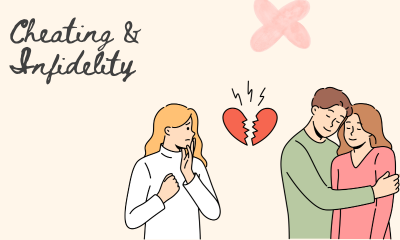
Understanding The Concern
betrayal, distrust, or strain after infidelity usually affects more than one conversation or one disagreement. It can influence trust, emotional safety, communication style, and the way people feel about closeness itself.
If parts of this already feel familiar, the sections below can help you recognise how the pattern may be showing up in daily life and where support may help.
What often comes with this kind of strain
Betrayal, distrust, or strain after infidelity often shows up through thoughts, emotions, habits, or relationship patterns before it feels easy to explain clearly.
Many people keep adapting around betrayal, distrust, or strain after infidelity, which can make the strain feel normal even when it is already affecting daily balance.
The effect of betrayal, distrust, or strain after infidelity can reach mood, routine, confidence, communication, or the ability to feel settled through the day.
Counselling can make betrayal, distrust, or strain after infidelity feel more understandable, less isolating, and easier to respond to with steadier next steps.
Daily-Life Understanding
These signs can make it easier to recognise how the issue may be affecting thoughts, feelings, behaviour, or relationships in everyday life.
betrayal, distrust, or strain after infidelity often makes ordinary conversations feel heavier because tension is already sitting underneath the relationship dynamic.
People may still care deeply, but the ability to calm down, reconnect, or feel understood becomes less reliable.
betrayal, distrust, or strain after infidelity may show up as repeated arguments, emotional withdrawal, or both at the same time.
Relationship strain often spills into sleep, confidence, routine, and decision-making outside the relationship as well.
Common Patterns
These are some of the cycles, habits, and internal responses that can make the issue feel heavier over time.
Where the pattern often shows up
The same underlying tension may keep returning with different triggers but a very similar emotional pattern.
Both people may start reacting to tone, history, or fear rather than hearing what is actually being said in the moment.
Silence, withdrawal, over-explaining, or emotional distance can become the default way of preventing another rupture.
When betrayal, distrust, or strain after infidelity stays unresolved, even positive moments may not fully rebuild stability or closeness.
Impact Areas
Strain like this rarely stays in one place. It often reaches emotions, routines, confidence, relationships, or the way the body settles after stress.
Impact 01
betrayal, distrust, or strain after infidelity can affect whether people feel understood, respected, or secure enough to be emotionally honest.
Impact 02
It gets harder to say what matters calmly when the conversation already feels emotionally risky.
Impact 03
Routine decisions, family atmosphere, and emotional recovery often become harder when relationship strain remains active.
Impact 04
People may start doubting themselves, over-monitoring their responses, or carrying guilt and confusion for longer than they should.
When Support Is Usually Needed
These are common points where people decide that coping alone is no longer enough and a steadier kind of support may help.
Who This Support Is For
If your experience sounds similar to the points below, it may be a sign that this kind of support could be relevant for you.
Self-Check Indicators
These markers are meant to support clarity, not self-diagnosis. They can help you notice whether the issue is influencing everyday functioning in a meaningful way.
Indicator 01
With betrayal, distrust, or strain after infidelity, arguments, silences, or emotionally loaded moments keep running in your mind after they end.
Indicator 02
Tone, timing, wording, or emotional honesty start getting shaped by fear of what the next interaction could become.
Indicator 03
Warmth, trust, or everyday connection may feel harder to access even when the relationship still matters deeply.
Indicator 04
Mood, sleep, concentration, and self-trust can all be affected when the concern stays unresolved.
How Counselling Can Help
Support can help you make sense of what is happening, respond more steadily, and work on the patterns that are keeping the issue active.
Support helps clarify what is really feeding betrayal, distrust, or strain after infidelity rather than only reacting to the latest episode or trigger.
Counselling can link betrayal, distrust, or strain after infidelity with the parts of life it is affecting most, including relationships, confidence, routine, or emotional steadiness.
Therapy can support steadier coping, better regulation, and clearer next steps around betrayal, distrust, or strain after infidelity.
The goal is not only relief, but a clearer way of understanding, managing, and responding to betrayal, distrust, or strain after infidelity over time.
What Sessions May Focus On
These are the kinds of practical areas people often work on once support begins.
Sessions often begin by clarifying how betrayal, distrust, or strain after infidelity is currently showing up rather than assuming one fixed story about it.
Support may focus on triggers, beliefs, stress responses, and behaviour patterns connected with betrayal, distrust, or strain after infidelity.
Therapy can then shift toward emotional regulation, clearer coping, better boundaries, and a steadier way of handling betrayal, distrust, or strain after infidelity.
Sessions can track what is changing, what is still difficult, and which kinds of support are most useful going forward.
Online Counselling
Online support can make it easier to begin privately, keep momentum, and stay consistent without adding more strain to daily life.
Step 01
You do not need to explain everything perfectly at once. Begin from the part that currently feels heaviest or most disruptive.
Step 02
Online support can help connect the concern with the habits, emotions, and situations that keep it active.
Step 03
Click2Pro keeps the path simple through online sessions, psychologist profile review, and WhatsApp-based guidance when you want it.
What the next step can look like
Myths vs Reality
These clarifications can help if doubt, self-minimising, or mixed advice has made it harder to decide whether support is worth considering.
Myth
It only matters if it becomes extreme.
Reality
Even when betrayal, distrust, or strain after infidelity seems manageable on the surface, persistent strain can still affect functioning, confidence, and emotional balance.
Myth
If you understand it, it should be easy to fix alone.
Reality
Insight is important, but change often becomes easier when the deeper pattern is worked through in a more structured way.
Myth
Support is only useful when the situation becomes unmanageable.
Reality
Many people benefit before the issue reaches crisis level, especially when they want clarity, steadier coping, and a healthier next step.
Psychologists at Click2Pro
If you want to see who you may be speaking with, you can review a few psychologist profiles here before taking the next step.

Expertise

Expertise

Expertise
Speak With Click2Pro
If this is starting to affect day-to-day life, you can explore Counselling for Cheating and Infidelity through Click2Pro on WhatsApp, review psychologist profiles, or use Contact Us if you would like a calmer next step.
Full Detailed Guide
If you want the earlier long-form information on Counselling for Cheating and Infidelity, you can continue with the preserved guide below.
Dealing with the aftermath of infidelity can be an overwhelming experience that impacts both emotional and mental health. It brings feelings of betrayal, confusion, and a deep sense of loss that can be difficult to navigate alone. This is where counselling for cheating and infidelity becomes essential, offering a supportive and structured approach to rebuilding trust and understanding. With the help of counselling online India, individuals and couples can receive guidance tailored to their unique situations, whether through individual or joint sessions.
At Click2Pro, we believe that healing from infidelity is not just about addressing the act itself, but understanding the underlying issues that led to it. Our professional counselors are trained to create a safe space where clients can openly communicate their feelings and work towards forgiveness, closure, and potentially, reconciliation. Counselling for cheating and infidelity is not solely for those who wish to stay together; it also supports individuals in finding peace and rebuilding self-worth if they choose to part ways.
What sets Click2Pro apart is our holistic and empathetic approach. We use evidence-based therapies that cater to the emotional, cognitive, and relational aspects affected by infidelity. This comprehensive focus ensures that clients not only understand what happened but also develop healthier coping mechanisms and communication skills. Whether you’re seeking a path to restore your relationship or simply aiming to recover your sense of self, counselling for cheating and infidelity offers invaluable support.
Infidelity can trigger a wide range of emotional and psychological challenges. Individuals dealing with such betrayal often experience intense feelings of anger, sadness, guilt, and confusion. It’s common to question one’s self-worth and wonder if something could have been done differently to prevent the situation. These emotions can lead to anxiety, depression, or even long-term trauma if left unaddressed. Seeking help from the best online psychologist can be the first step toward regaining emotional stability and understanding.
Counselling for cheating and infidelity helps address these challenges by allowing individuals to recognize and validate their feelings without judgment. One major issue faced by those impacted is trust, not just in their partner but in future relationships and themselves. This lack of trust can manifest as hyper-vigilance, intrusive thoughts, or withdrawal from social and romantic interactions.
Another challenge is communication breakdown. Post-infidelity, it’s common for couples to find it difficult to express themselves without escalating conflicts. This is where counselling for cheating and infidelity plays a crucial role in guiding couples through structured dialogues, helping them speak openly while being mindful of each other’s pain. Effective counselling also teaches active listening, empathy, and techniques to manage emotional reactions, which are critical for healing.
Individuals often feel isolated, fearing judgment from friends or family. This isolation can worsen feelings of guilt and helplessness. Professional counselling provides a confidential space to share these burdens and begin working toward solutions. The best online psychologist can offer strategies tailored to each person’s unique circumstances, ensuring that they receive the support needed to heal and grow.
While professional counselling for cheating and infidelity is vital for a deep and structured healing process, there are self-help strategies individuals can try to manage their emotions and begin moving forward. These tips can serve as supportive steps while deciding whether to seek therapy or alongside ongoing counselling sessions.
Acknowledge Your Emotions: It’s normal to feel a spectrum of emotions such as anger, betrayal, sadness, and confusion. Instead of suppressing these feelings, allow yourself to experience and process them. Journaling can be an effective way to express and understand your thoughts.
Practice Mindfulness: Infidelity often triggers constant worry and overthinking. Practicing mindfulness exercises, like deep breathing and meditation, can help calm racing thoughts and bring focus to the present moment. This practice doesn’t replace counselling for cheating and infidelity but complements it by helping individuals manage anxiety and stress.
Connect with Trusted Friends: Talking to a trusted friend or family member can offer relief and a fresh perspective. However, it’s important to choose someone who will listen without judgment and support you in whatever path you decide to take. While this may not replace professional counselling for cheating and infidelity, it can be a helpful first step in feeling heard and less isolated.
Set Boundaries: If you are still in contact with your partner, establishing clear boundaries can prevent immediate conflicts and give both parties the space needed to reflect. Discussing expectations for interactions during this time can ease tension and promote healthy communication.
These strategies can provide temporary comfort and clarity but are not a substitute for professional help. Counselling for cheating and infidelity provides the necessary tools and structured guidance to truly understand and work through these complex emotions.
Choosing to pursue counselling for cheating and infidelity can be life-changing for individuals and couples facing this challenge. Professional support is crucial for several reasons, one being the objective perspective that a trained therapist provides. Unlike friends or family, a counselor offers unbiased advice, enabling clients to explore their emotions and the situation without external judgment or pressure.
Therapists trained in counselling for cheating and infidelity use proven methods such as cognitive behavioral therapy (CBT) and emotion-focused therapy (EFT) to help clients unpack and address complex feelings. These methods teach individuals how to manage overwhelming emotions, rebuild trust, and create a safe space for open communication. This structured environment helps prevent misunderstandings and supports meaningful dialogue, which is often difficult to achieve without guidance.
Moreover, professional counselling can aid in identifying patterns or underlying issues that contributed to the situation, providing a clearer path toward healing and growth. Whether the goal is to repair the relationship or to heal independently, the expertise gained through counselling for cheating and infidelity equips clients with the tools to make informed, healthy decisions moving forward.
At Click2Pro, our approach to counselling for cheating and infidelity is both compassionate and evidence-based, ensuring clients receive the comprehensive support they need. We understand that infidelity is not just an isolated event but often the result of deeper, unaddressed issues within the relationship or individual. Our counselors are trained in various therapeutic methods to provide tailored solutions that cater to each client's unique needs.
One of the key methods we use is cognitive behavioral therapy (CBT). This approach helps clients identify and change negative thought patterns that contribute to emotional distress. In the context of counselling for cheating and infidelity, CBT allows individuals to challenge feelings of self-blame or unworthiness and develop healthier mental frameworks. Additionally, we incorporate emotion-focused therapy (EFT), which aids couples in recognizing and expressing their emotions constructively. This form of therapy facilitates the rebuilding of emotional connections and trust, which is essential for healing.
We also offer flexible options, including both in-person and online sessions, to accommodate different preferences and schedules. This ensures that clients can engage in counselling for cheating and infidelity in a way that best suits their lifestyle. Our empathetic counselors are committed to creating a safe, judgment-free environment where clients can openly share their thoughts and experiences. This tailored approach empowers individuals and couples to move forward with clarity, whether they choose to reconcile or part ways amicably.
Real-life success stories can illustrate the transformative power of counselling for cheating and infidelity. One of our clients, a couple who struggled with rebuilding trust after infidelity, shared that their experience at Click2Pro gave them tools to communicate more openly and understand each other’s emotional triggers. Through consistent sessions and guided exercises, they not only worked through the pain but found a renewed sense of partnership and trust.
Another individual client mentioned that counselling for cheating and infidelity helped them rebuild their self-esteem after a painful breakup. The support and guidance they received allowed them to rediscover their self-worth and regain confidence in forming new, healthier relationships.
These testimonials highlight the positive outcomes that counselling for cheating and infidelity can bring, showing that while the journey may be difficult, it is possible to heal and move forward. At Click2Pro, we take pride in the progress our clients make and the resilience they build through their unique journeys. These stories serve as reminders that seeking help is a powerful step toward recovery and personal growth.
1. What is the main goal of counselling for cheating and infidelity?
The primary goal of counselling for cheating and infidelity is to help individuals or couples process the emotional impact of infidelity, rebuild trust, and develop healthier communication patterns. This type of counselling aims to provide a safe space where both partners can express their emotions, understand the underlying issues that led to the situation, and work towards healing, whether that means mending the relationship or moving on independently.
2. How long does it typically take for counselling to show results?
The duration and progress of counselling for cheating and infidelity vary depending on the individuals involved and the complexities of their situation. Some may start to see improvements in trust and communication after a few sessions, while others may require more extended therapy for deeper healing and resolution. Consistency, openness, and a willingness to engage fully in the process play significant roles in the timeline.
3. Can counselling for cheating and infidelity help even if only one partner participates?
Yes, counselling for cheating and infidelity can still be beneficial if only one partner seeks help. Individual therapy can assist in processing emotions, rebuilding self-confidence, and gaining clarity on personal goals and boundaries. This personal growth can often lead to more informed decisions and healthier interactions, regardless of the relationship's outcome.
Click2Pro Homepage
If you are exploring Counselling for Cheating and Infidelity and also want a wider view of online therapy, counselling, and psychologist support in India, start from the homepage.
Related discovery
These options stay close to what you may be dealing with, so it is easier to keep going without losing the thread.
Related Services
Support areas that stay close to this concern if you want to compare what may fit best.
Related Cities
Major cities where this kind of support is available if location matters to your next step.
Related Blogs
Guides and articles that stay close to the current theme.
Related Psychologists
Psychologists you may want to compare if you are looking for someone who feels like a good fit.
FAQ
These answers cover some of the questions people often have when they are trying to understand the issue and decide whether support may help.

Prioritizing mental health is crucial for a balanced and fulfilling life. At Click2Pro, we understand that mental well-being affects every aspect of your life. By investing in mental health, you enhance your happiness and resilience, better equipping yourself to face life's challenges. Our top psychologists and therapists provide personalized, confidential care tailored to your unique needs. Embrace better mental health with Click2Pro and experience the transformative power of compassionate, expert support. You deserve to thrive.




Talk to Therapist