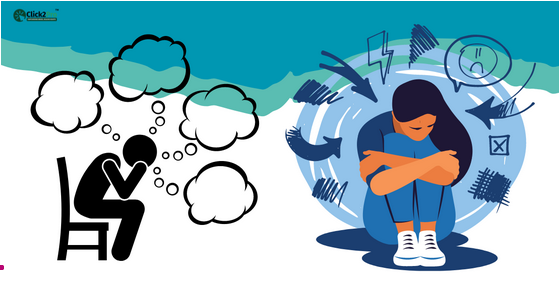
Mental health is an important aspect of overall well-being, yet it is often misunderstood. Anxiety and depression are two of the most common mental health conditions, and while they share some similarities, they are distinct disorders that require different approaches to treatment. Understanding the differences between anxiety and depression can help you seek the right kind of help and support. In this blog, we'll explore how to differentiate between anxiety and depression with insights from expert therapists, and we'll explain how Click2Pro can be your go-to and trusted partner in this journey.
Understanding Anxiety
Definition and Explanation of Anxiety
Anxiety is a natural response to stress and can be beneficial in some situations. It helps you stay alert and focused, motivates you to take action, and can even be life-saving. However, anxiety becomes a problem when it is excessive, persistent, and interferes with daily life.
Anxiety disorders are among the most common mental health conditions. They encompass a range of disorders, including generalized anxiety disorder (GAD), panic disorder, social anxiety disorder, and specific phobias. If you're experiencing these symptoms, an anxiety specialist near me can provide the necessary support and treatment.
Common Symptoms of Anxiety
Anxiety manifests in various ways, affecting both the mind and body. Common symptoms include:
- Excessive worry or fear
- Restlessness or feeling on edge
- Fatigue
- Difficulty concentrating
- Irritability
- Muscle tension
- Sleep disturbances, such as difficulty falling or staying asleep
If you recognize these symptoms in yourself or a loved one, consulting a therapist for anxiety can help in managing and alleviating these issues.
Causes and Triggers of Anxiety
Anxiety can be triggered by various factors, including:
- Genetics: A family history of anxiety disorders can increase the risk.
- Brain chemistry: Imbalances in neurotransmitters can contribute to anxiety.
- Personality: Certain personality types are more prone to anxiety.
- Life events: Stressful or traumatic events can trigger anxiety disorders.
Understanding these causes can help in finding effective treatment. An anxiety therapist near me can offer personalized strategies to manage anxiety based on your specific triggers and circumstances.
Role of an Anxiety Specialist Near You
An anxiety specialist near me plays a crucial role in diagnosing and treating anxiety. They use a variety of therapeutic approaches, including cognitive-behavioral therapy (CBT), mindfulness techniques, and medication management. By seeking help from a specialist, you can receive a tailored treatment plan that addresses your unique needs.
Understanding Depression
Definition and Explanation of Depression
Depression is more than just feeling sad or having a bad day. It is a serious mental health condition that affects how you feel, think, and handle daily activities. Depression can be debilitating and requires professional treatment.
Common Symptoms of Depression
Symptoms of depression can vary, but common ones include:
- Persistent sadness or low mood
- Loss of interest or pleasure in activities once enjoyed
- Changes in appetite or weight
- Sleep disturbances, such as insomnia or oversleeping
- Fatigue or lack of energy
- Feelings of worthlessness or guilt
- Difficulty concentrating or making decisions
- Thoughts of death or suicide
If you experience these symptoms, seeking help from a depression and anxiety therapist can be life-changing.
Causes and Triggers of Depression
Depression can result from a combination of genetic, biological, environmental, and psychological factors. Common triggers include:
- Family history of depression
- Major life changes, such as loss of a loved one, divorce, or job loss
- Chronic medical conditions
- Substance abuse
Recognizing these triggers is the first step in seeking help. A therapist near me for anxiety and depression can help identify these factors and develop an effective treatment plan.
Importance of Seeking Help from a Depression and Anxiety Therapist
Seeking help from a depression and anxiety therapist is crucial for managing the condition. They can provide a combination of therapy, medication, and lifestyle changes to help you recover and regain control of your life.
Key Differences Between Anxiety and Depression
Physical Symptoms Comparison
While anxiety and depression share some symptoms, there are key differences in their physical manifestations:
- Anxiety: Often involves physical symptoms like increased heart rate, sweating, and muscle tension.
- Depression: May lead to physical changes like weight loss or gain, fatigue, and changes in appetite.
Understanding these differences can help in seeking the right treatment. An anxiety therapist near me can help distinguish these symptoms and provide appropriate care.
Emotional Symptoms Comparison
The emotional symptoms of anxiety and depression also differ:
- Anxiety: Characterized by excessive worry, fear, and nervousness.
- Depression: Marked by persistent sadness, hopelessness, and a lack of interest in activities.
If you experience these emotional symptoms, consulting a therapist for anxiety or a depression specialist can provide the support you need.
Behavioral Symptoms Comparison
Behavioral symptoms also vary between anxiety and depression:
- Anxiety: May cause avoidance of certain situations, restlessness, and hypervigilance.
- Depression: Can lead to withdrawal from social activities, decreased motivation, and difficulty in performing daily tasks.
These differences highlight the need for specialized treatment. A therapist near me for anxiety and depression can help develop strategies to manage these behaviors effectively.
Case Studies or Examples
To illustrate these differences, consider the following examples:
- Anxiety Case Study: Sarah constantly worries about her job performance. She experiences physical symptoms like sweating and a racing heart, especially before meetings. An anxiety specialist near me helps her with CBT to manage her worries and physical symptoms.
- Depression Case Study: John has lost interest in hobbies he once enjoyed and feels constantly fatigued. He struggles to get out of bed and has lost a significant amount of weight. A depression and anxiety therapist provides him with therapy and medication to improve his mood and energy levels.

Seeking Professional Help
How an Anxiety Therapist Near You Can Help
An anxiety therapist near me can provide various therapeutic approaches to manage anxiety, including:
- Cognitive-Behavioral Therapy (CBT): Helps change negative thought patterns and behaviors.
- Mindfulness and Relaxation Techniques: Reduce stress and promote relaxation.
- Medication Management: When necessary, medications can help manage severe symptoms.
By consulting an anxiety specialist near me, you can receive a comprehensive treatment plan tailored to your needs.
Importance of Personalized Treatment Plans
Personalized treatment plans are essential for effective recovery. An anxiety therapist near me will consider your unique symptoms, triggers, and lifestyle to create a plan that works for you. This approach ensures that you receive the most effective treatment possible.
Benefits of Consulting a Therapist for Anxiety and Depression
Consulting a therapist for anxiety or a depression specialist offers numerous benefits, including:
- Expert Diagnosis: Accurate diagnosis of your condition.
- Effective Treatment Strategies: Access to evidence-based therapies.
- Ongoing Support: Continuous support throughout your recovery journey.
These benefits highlight the importance of seeking professional help. A therapist near me for anxiety and depression can provide the support you need to improve your mental health.
Highlight Click2Pro’s Team of Expert Therapists and Their Approach
At Click2Pro, our team of expert therapists is dedicated to providing high-quality mental health care. We offer personalized treatment plans that incorporate a range of therapeutic approaches, including CBT, mindfulness, and medication management. Our goal is to help you achieve lasting recovery and improve your quality of life.
Therapy Techniques for Anxiety and Depression
Overview of Cognitive Behavioral Therapy (CBT)
Cognitive Behavioral Therapy (CBT) is a highly effective treatment for both anxiety and depression. It helps patients identify and change negative thought patterns and behaviors. By working with an anxiety therapist near me, you can learn to manage your symptoms and improve your mental health.
Benefits of Mindfulness and Relaxation Techniques
Mindfulness and relaxation techniques are beneficial for managing anxiety and depression. These practices help reduce stress, improve focus, and promote relaxation. An anxiety specialist near me can guide you in incorporating these techniques into your daily routine.
Medication Options and Considerations
In some cases, medication may be necessary to manage severe symptoms of anxiety and depression. A therapist near me for anxiety and depression can work with you to find the right medication and monitor its effectiveness. It’s important to follow professional guidance when using medication for mental health conditions.
How Click2Pro Integrates These Techniques into Treatment Plans
At Click2Pro, we integrate a variety of therapeutic techniques into our treatment plans. Our comprehensive approach ensures that you receive the most effective care possible. By combining CBT, mindfulness, relaxation techniques, and medication management, we provide holistic care tailored to your needs.
How Click2Pro Can Help
Click2Pro offers a range of mental health services designed to support your well-being. Whether you need help with anxiety, depression, or other mental health issues, our team is here to provide expert care. Our services include individual therapy, group therapy, and online counseling, making it easy to find the support you need.
Testimonials from Clients
Our clients have experienced significant improvements in their mental health through our services. Here are a few testimonials:
- Client A: “Thanks to Click2Pro, I’ve learned to manage my anxiety and live a more fulfilling life. The therapists are compassionate and highly skilled.”
- Client B: “Click2Pro’s personalized approach to treatment has made all the difference in my recovery from depression. I feel supported every step of the way.”
How to Get Started with Click2Pro
Getting started with Click2Pro is easy. Simply visit our website, browse our services, and book an appointment. Our team will guide you through the process and help you find the right therapist for your needs. Whether you’re looking for an anxiety specialist near me or a therapist for anxiety, Click2Pro is here to help.
Contact Information and Call to Action
Ready to take the first step toward better mental health? Contact Click2Pro today to schedule a consultation. Our expert therapists are here to support you on your journey to recovery. Visit our website or call us at [Contact Number] to get started.
Conclusion
Understanding the difference between anxiety and depression is crucial for seeking the right treatment. Both conditions can significantly impact your life, but with the right support, recovery is possible. At Click2Pro, we are dedicated to providing personalized, high-quality care to help you manage anxiety and depression. Don’t wait to seek help – contact Click2Pro today and take the first step toward a healthier, happier life.
FAQs
- What are the main differences between anxiety and depression?
Answer. Anxiety involves excessive worry and fear, while depression is characterized by persistent sadness and a lack of interest in activities.
- How can I find a therapist near me for anxiety?
Answer. You can start by searching online for “anxiety specialist near me” or “therapist for anxiety” and looking for reviews and testimonials. Click2Pro offers expert therapists who can provide personalized care.
- Can the same therapist treat both anxiety and depression?
Answer. Yes, many therapists are trained to treat both conditions. At Click2Pro, our therapists are experienced in handling a range of mental health issues, including anxiety and depression.
- What should I expect during my first session with a therapist for anxiety?
Answer. Your first session will typically involve discussing your symptoms, medical history, and goals for therapy. The therapist will work with you to create a personalized treatment plan.
- How effective are therapy techniques like CBT for anxiety and depression?
Answer. Cognitive Behavioral Therapy (CBT) is highly effective for both conditions. It helps patients understand and change negative thought patterns. Click2Pro therapists are skilled in CBT and other evidence-based techniques.