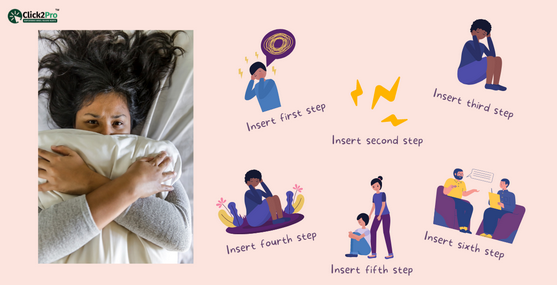
Ever been sitting alone and, out of nowhere, getting really scared to the point where your heart races and you cannot catch your breath? That might be a panic attack. So here we go with today's topic, which is about anxiety treatment and how to control these traumatizing moments.
When you feel super scared really quickly and there's nothing around to be scared of, the roller coaster analogy is: imagine you're flying fast and your heart is walking on the track. Sort of like a panic attack.
Understanding panic attacks
Why do Panic attacks happen?
Panic attacks occur due to stress or worries, even without a provocation. It is usually not your fault, and most women face this. This happens to a lot of people, and there are useful anxiety treatments out there to help.
Recognizing Panic Attacks
How to Tell if You Are Having a Panic Attack
Symptoms of a panic attack may include the following:
-
Fast heartbeat
-
Feeling dizzy
-
Trouble breathing
-
Feeling that you are out of control
If you are feeling any of these, you should tell a trusted adult.
Top Strategies for Managing Panic Attacks
-
Deep Breathing
Deep breathing is one of the best panic attack treatments. Here's a fun way to do it:
-
Breathe in like you are smelling a flower.
Take a deep breath in for 6 seconds, and exhale as if you are blowing candles out on your birthday (for 5 seconds). Repeat this experience a few more times, and before you know it, you will begin to feel better.
-
Stay Grounded
For when you start to feel a panic attack creeping up:
-
Feel something soft, like a teddy bear.
-
Open your eyes and say five things you see. It takes your mind to something different.
-
Positive Thoughts
Picture: Your "happy place" or best memory of a beach day or just a fun time with your friends. This can make your brain feel safer.
-
Talk to someone
One of the best cures for anxiety is to talk with someone you trust. It could be a parent, a school teacher, or even a friend. As ridiculous as it sounds, simply communicating can make all the difference.
-
Practice Relaxation
Engage in relaxing activities such as listening to soothing music, drawing, or reading a favorite book. You can also create a "calm down" kit with anything that will help you relax.
When to seek help
Knowing when to ask for help
You may even need help from a doctor or counselor. Although the best anxiety medication can be given to you or other treatments for anxiety that are suitable for you, seeking the help you require is an act of courage.
Extra tips and fun activities
-
Fun Breathing Exercises
Use fun breathing exercise games or apps to tap into the power of deep breathing.
-
Make a calming jar.
Make a "Calm Down" Glitter Jar. Shake it to relax and watch the glitter settle.
-
Create a feelings chart.
Create a mood diary chart. This will help you respond more intelligently to your emotions.
With these tips, you can indeed find reasonably priced anxiety treatments and effective treatments for your level of anxiety. Panic attacks are terrifying, but they can be effectively treated with the appropriate anxiety disorder treatment.
Conclusion
But panic attacks are one of the most horrifying things I have ever dealt with and seriously will fuck you up real bad, so being able to learn how to work through them is a game changer! Other simple techniques, such as deep breathing and staying grounded, can help you feel better too, as can opening up to someone you can trust. And that is perfectly fine to say, and you should not be embarrassed to ask for help, whether that be from a doctor, psychologist, or trusted adult. After all, with the appropriate help and anxiety treatment, you can learn to live an anxiety-free life. Just remember that you are not alone and that lots of other people feel what you do. Please pass these along to friends and family to make sure we are all well prepared and properly supported.
FAQs
1.Why should I discuss my anxiety with someone?
Answer: Well, maybe if you talk to a parent, teacher, or someone like that, you will feel understood and loved. It can also give you more resources for managing your anxiety.
2.How does deep breathing help calm the body and mind?
Answer: Aim to inhale, for example, by smelling the flower for 6 seconds, followed by exhaling, like blowing out the candles for 5 seconds. Do this a couple of times to feel better.
3.What are some of the anxiety treatments for panic attacks?
Answer: Deep breathing exercises, grounding techniques, positive thinking, speaking with a trusted person, and relaxation activities are some good anxiety treatments.
4.What are some of the symptoms of a panic attack?
Answer: Panic attack symptoms may include a rapid heartbeat, dizziness, difficulty breathing, and a feeling that they are going mad. If you have found anything written here, it is very important to say this in the presence of an adult you trust.