Table of Contents
- What Exactly is Online Therapy?
- Who Can Benefit from Online Counseling?
- Myth #1: You Can't Form a Genuine Connection With an Online Therapist
- Myth #2: Online Therapy Isn't as Effective as In-Person Treatment
- Myth #3: Important Nonverbal Cues Get Lost Online
- Myth #4: Online Counseling Platforms Have Major Security Risks
- Myth #5: Online Therapy Feels Impersonal or Cold
- The Takeaway: Don't Let Myths Block Your Breakthrough
If you're considering online counselling, you've probably heard doubts or misconceptions about it. Sitting at home staring at a screen, can you open up about your inner turmoil to a stranger? Will they truly understand what you're going through?
It's normal to feel sceptical or unsure when facing the unknown. However, many prevailing online therapy myths stem from outdated facts or a lack of public awareness.
As an online counsellor, I can tell you firsthand how powerful virtual sessions can be for anyone ready to take that first step. That's why I want to take some time to get to the core of the facts - to debunk myths with real truths you need to hear.
What Exactly is Online Therapy?
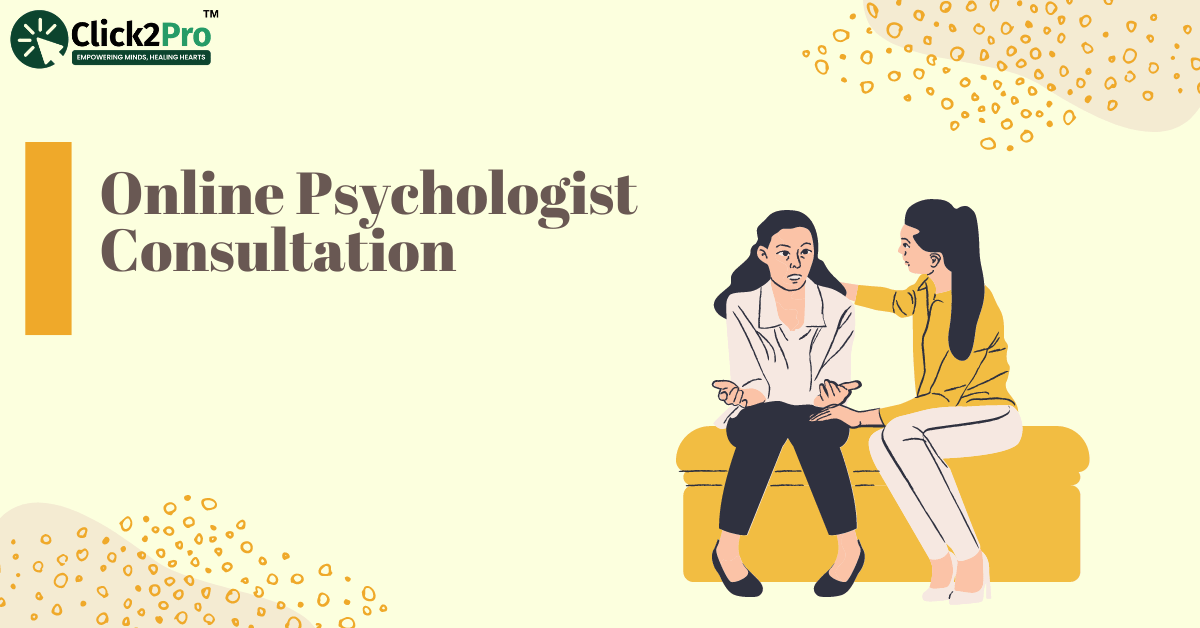
Online counselling at its core is about increasing access to compassionate mental health support. It uses the power of secure video chatting technology to deliver help straight to your device, no matter where you are.
Instead of asking you to commute and bear the costs and scheduling headaches of in-office visits, virtual sessions start instantly online whenever you need them. Just find a private comfortable spot, wifi signal willing.
For all the parents burning candles at both ends, lonely seniors, and overloaded career-focused folks out there too drained to advocate for their wellbeing - this convenience can feel like a lifeline.
Distance no longer separates you from specialized care. If debilitating anxiety keeps you homebound, chronic illness flares leave the house exhausting, or living rurally makes quality care inaccessible, teletherapy removes those barriers in one click.
Online counselling also allows working 28 hours a day to afford survival, not to mention ballooning childcare costs, seem remotely feasible. No Racing through traffic after hustling the kids off to school hoping you’ll make it just in time.
We know everyone has unique pressures and limitations affecting mental health, even before you face the vulnerability of asking for support. That’s why meeting you where you are, screen and all, makes sense.
Who Can Benefit from Online Counseling?
While virtual sessions successfully treat all types of emotional and psychological challenges, certain groups may find the approach especially well-suited:
Busy Parents
No demographic juggles more obligations with less margin. Securing reliable childcare so you can drive across town and back to attend therapy becomes yet another draining task. Instead, video chatting a counselor after little ones sleep removes those headaches so you finally prioritize self-care.
Rural Residents
Have you noticed how city transplants take for granted having specialized providers across town? For rural folks already fighting the stigma of accessing support, registered teletherapists meaningfully improve care options without commutes. Healing should not hinge on geography.
Those Facing Health Problems
When chronic conditions or decreasing mobility make leaving the house a herculean chore, seeing a counsellor online in pyjamas cuts through material barriers. Saving your limited energy for doing the inner work.
All Who Struggle Silently
While some demographics stand out, better access ultimately helps anyone struggling silently get human support matched to what they’re going through. For those who need to talk but have nowhere to turn, this visibility shift is revolutionary. Healing happens when we feel some understanding.
If you want to understand your challenges better so you can grow through them, online counselling can meet you where you’re at. All you need is an openness to show up emotionally and engage. This is for you.
Myth #1: You Can't Form a Genuine Connection With an Online Therapist
This myth stems from the idea that a screen creates an icy barrier between you and your counsellor, making it impossible to foster human closeness or understanding when needed.
However, professional therapists are specifically trained in reflecting, clarifying, and validating you in a way that builds trust and safety. Our secure video technology enables clear communication that lets us connect on critical emotional levels.
What matters most is that you have someone compassionately listening as you find words for your suffering. Someone devoted to helping you feel heard. From that therapeutic alliance, insight and change become possible.
Numerous studies have found online counselling clients rate their therapist connections just as strongly as those seeing someone in traditional office settings. Their effectiveness in improving many mental health conditions also stands equal.
While the virtual setup is different, the relationship magic is not. If you feel understood by someone focused on you alone, that empathetic bridge can form powerfully on camera.
Myth #2: Online Therapy Isn't as Effective as In-Person Treatment
If counselling isn't happening face-to-face, it surely can't deliver the same mental health benefits...right?
Extensive research using client feedback resoundingly shows online therapy works efficiently, safely, and successfully for a wide array of challenges, including:
- PTSD
- Depression
- Inner critic issues
- Relationship conflicts
- Life transitions
- Addiction recovery
One analysis of numerous studies demonstrated virtual talk therapy significantly reduced anxiety, depression, stress, and emotional suffering while boosting general well-being. Another extensive review of over a decade of teletherapy results revealed it matches traditional counselling's success across nearly all diagnoses, demographics, and care settings.
Online sessions also increase attendance rates due to the sheer convenience - no commuting, childcare logistics, or scheduling nightmares to wrestle with. Being able to talk openly from home removes many barriers for those yearning for change.
More regular sessions mean you can dig deep faster into root causes, shifting from surviving to thriving.
Myth #3: Important Nonverbal Cues Get Lost Online
Can your therapist properly pick up on your subtle nonverbal signals like micro-expressions, gestures, and tone changes on camera? Couldn't they miss vital visual context or data without seeing your whole body and movement?
While audio-only communication loses critical visual data, today's secure online therapy includes high-definition videoconferencing for observing details like:
- Facial expressions signalling various emotions
- Fidgeting pointing to anxiety
- Slumped posture showing depression
- Furrowed brow indicating worry
Skilled online counsellors also purposely strengthen their verbal attunement skills as active listening takes centre stage. Asking thoughtful follow-up questions and summarizing more frequently ensures accurate understanding.
If you've ever had a meaningful video chat with a loved one abroad, you know screens can still convey essential nonverbal cues critical for emotional connections. The same holds for teletherapy.
Myth #4: Online Counseling Platforms Have Major Security Risks
When working up the courage to open your heart in counselling, feeling psychologically safe to share freely is everything. Fears of privacy violations or data leaks are understandable deal breakers for pursuing online therapy.
Leading telehealth companies invest substantial resources in HIPAA-compliant encryption, firewalls, personnel training, and routine outside audits to address safety gaps responsibly.
Your confidentiality and transparent personal growth walk this path hand-in-hand.
While no digital system is 100% bulletproof, following cybersecurity best practices and safeguarding sensitive data is our ethical duty as online counsellors. We undergo extensive training to earn and uphold your trust.
Myth #5: Online Therapy Feels Impersonal or Cold
Does visualizing counselling through a sterile website or app seem too detached from human needs? Can genuine care, warmth, and understanding flow freely through pixels and broadband cables?
Every client-counsellor relationship manifests differently, but human bonds rely far more on rapport than the space between you. An empathetic professional focused on relating to you can make any session feel welcoming.
Video chatting enables intimate help straight from your home. Facing a provider ready to listen fully when you log in makes opening up emotionally safer than waiting in a strange office.
While new solutions take adjustment, teletherapy now helps millions struggling silently access responsive, personalized support on-demand regardless of mobility limits or geography. Healing happens when you feel seen and heard.
The Takeaway: Don't Let Myths Block Your Breakthrough
Today's online counselling platforms revolutionise access to compassionate, specialized mental health support from home. You only need an internet connection and readiness to take that first vulnerable step.
If lingering doubts about webcam or text therapy hold you back, take it from us professionals - the most dangerous risk is struggling alone. Behind the myths lay scientifically proven options for conveniently improving your mental health and emotional well-being on your terms.
The world needs the unique gifts only you can offer when living wholeheartedly. Why wait another minute? Reach out now so we can discuss whether online counselling might help you thrive forward on your journey. This is for you.