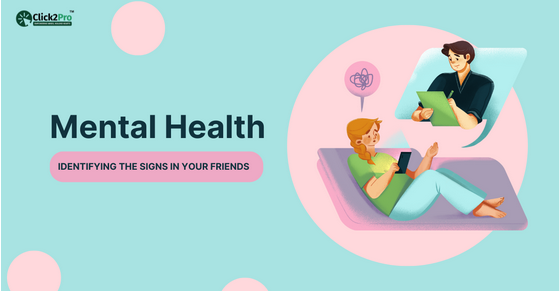
Anxiety is a common mental health issue affecting millions of people worldwide. The constant worry, nervousness, and physical symptoms like increased heart rate can significantly impact daily life. Managing anxiety effectively requires a combination of strategies that can help reduce stress and improve overall well-being. In this blog, we will explore the top 10 anxiety coping mechanisms that experts recommend, and how Click2Pro can be your trusted partner in managing anxiety.
Understanding Anxiety
Anxiety is a feeling of worry, nervousness, or unease about something with an uncertain outcome. It can manifest in various ways, including physical symptoms such as sweating, trembling, and increased heart rate. Anxiety can affect anyone, and its impact on life can be profound, leading to decreased productivity, strained relationships, and poor mental and physical health.
Importance of Coping Mechanisms
Having effective coping mechanisms is essential for managing anxiety. These strategies can help reduce the immediate impact of stress, improve your ability to handle challenging situations, and enhance your overall quality of life. Effective coping mechanisms not only help in the short term but also provide long-term benefits by fostering resilience and mental strength.
Top 10 Anxiety Coping Mechanisms
1. Mindfulness and Meditation
Mindfulness involves staying present and fully engaging with the current moment. This practice helps in reducing overthinking and stress, which are common triggers for anxiety. Techniques for mindfulness include meditation, mindful breathing, and mindful walking. Regular practice of mindfulness for anxiety can significantly lower stress levels and improve mental clarity.
- Mindful Breathing: Focus on your breath, inhaling and exhaling slowly and deeply. This simple practice can help calm your mind and reduce anxiety.
- Mindful Meditation: Set aside a few minutes each day to sit quietly and focus on your breath or a calming image. This can help ground you in the present moment and reduce anxiety.
2. Cognitive Behavioral Therapy (CBT)
Cognitive Behavioral Therapy (CBT) is a structured, goal-oriented therapy that helps individuals identify and change negative thought patterns and behaviors. CBT is highly effective for managing anxiety as it teaches practical skills for dealing with stressful situations.
- Identifying Negative Thoughts: CBT helps in recognizing irrational or negative thoughts that contribute to anxiety.
- Behavioral Techniques: CBT includes techniques like exposure therapy, where individuals gradually face their fears in a controlled manner, reducing their anxiety over time.
3. Deep Breathing Exercises
Deep breathing exercises are simple yet powerful techniques to calm the mind and body. When you feel anxious, your breathing becomes shallow and rapid. Deep breathing helps to counteract this by slowing down your breath and promoting relaxation.
- Diaphragmatic Breathing: Also known as belly breathing, this technique involves breathing deeply into your diaphragm rather than shallowly into your chest.
- 4-7-8 Breathing Technique: Inhale for 4 seconds, hold your breath for 7 seconds, and exhale slowly for 8 seconds. This method can quickly reduce anxiety and stress.
4. Physical Activity and Exercise
Regular physical activity is one of the best ways to reduce anxiety. Exercise releases endorphins, which are natural mood lifters. It also helps to divert your mind from worries and improves overall physical health.
- Types of Exercise: Engage in activities like running, swimming, yoga, or even brisk walking. Choose exercises that you enjoy to ensure consistency.
- Endorphin Boost: Physical activity increases the production of endorphins, chemicals in the brain that act as natural painkillers and mood elevators.
5. Healthy Eating Habits
Nutrition plays a significant role in mental health. A balanced diet can help reduce anxiety by providing essential nutrients that support brain function.
- Anxiety-Reducing Foods: Include foods rich in omega-3 fatty acids, antioxidants, and vitamins such as leafy greens, nuts, seeds, and fish.
- Balanced Diet: Avoid excessive caffeine and sugar, which can exacerbate anxiety. Instead, focus on whole foods that nourish the body and mind.
6. Adequate Sleep
Sleep is crucial for mental health. Poor sleep can exacerbate anxiety, while good sleep hygiene can help reduce it.
- Sleep Hygiene Tips: Maintain a regular sleep schedule, create a restful environment, and avoid caffeine and screens before bedtime.
- Sleep and Anxiety: Quality sleep helps to restore the body's natural balance and reduces the symptoms of anxiety.
7. Social Support Networks
Social connections are vital for mental well-being. Engaging with friends, family, or support groups can provide emotional comfort and reduce feelings of anxiety.
- Staying Connected: Regularly communicate with loved ones, whether through in-person meetings, phone calls, or online chats.
- Support Groups: Join support groups where you can share experiences and strategies for managing anxiety.
8. Time Management Skills
Effective time management can significantly reduce anxiety by preventing the feeling of being overwhelmed.
- Prioritizing Tasks: Break down tasks into manageable steps and prioritize them based on importance and urgency.
- Avoiding Procrastination: Develop a routine that includes regular breaks and avoids last-minute rushes.
9. Creative Outlets
Engaging in creative activities like art, music, or writing can be therapeutic and provide a healthy outlet for expressing emotions.
- Types of Creative Activities: Explore activities such as painting, playing an instrument, or journaling. These can help distract from anxiety and promote relaxation.
- Therapeutic Benefits: Creativity allows for self-expression and can serve as a form of emotional release.
10. Professional Help
Seeking professional help is crucial when anxiety becomes overwhelming or unmanageable through self-help strategies.
- When to Seek Help: If anxiety interferes with daily life, causes significant distress, or does not improve with self-help techniques, it is time to consult a professional.
- Click2Pro Services: Click2Pro offers a range of services including therapy, counseling, and support for anxiety management. Our expert psychologists provide personalized care to help you overcome anxiety.
Click2Pro: Your Trusted Partner in Managing Anxiety
At Click2Pro, we understand the challenges of dealing with anxiety and offer comprehensive support to help you manage it effectively. Our services include individual therapy, group counseling, and workshops on anxiety coping mechanisms. With a team of experienced professionals, we provide personalized care and proven strategies to reduce stress and improve mental health.
Getting Started with Click2Pro Taking the first step towards managing anxiety can be daunting, but Click2Pro is here to help. Contact us today to schedule a consultation and start your journey towards a stress-free life. Our experts are ready to provide the support and tools you need to overcome anxiety.
Conclusion
Anxiety can be a debilitating condition, but with the right coping mechanisms, it is manageable. The strategies discussed in this blog, such as mindfulness, CBT, deep breathing, and seeking professional help, can significantly reduce anxiety and improve your quality of life. Remember, you don't have to face anxiety alone. Click2Pro is here to support you every step of the way.
Call to Action If you're struggling with anxiety, don't hesitate to reach out to Click2Pro. Our team of expert psychologists is dedicated to helping you find effective solutions and live a happier, stress-free life. Contact us today to learn more about our services and how we can assist you in managing anxiety.
FAQs
1. What are the most effective anxiety coping mechanisms?
Answer. The most effective anxiety coping mechanisms include mindfulness, cognitive behavioral therapy (CBT), physical exercise, deep breathing exercises, and maintaining a healthy lifestyle. Click2Pro offers comprehensive support to help you implement these strategies effectively.
2. How can mindfulness help with anxiety?
Answer. Mindfulness helps by keeping you grounded in the present moment, reducing overthinking and stress. It can be practiced through meditation, mindful breathing, and other techniques. Click2Pro provides expert guidance on incorporating mindfulness into your daily routine.
3. What is CBT and how does it help with anxiety?
Answer. Cognitive Behavioral Therapy (CBT) is a structured, goal-oriented therapy that helps identify and change negative thought patterns and behaviors. It's highly effective for managing anxiety. Click2Pro offers CBT sessions with trained professionals.
4. Can lifestyle changes reduce anxiety?
Answer. Yes, lifestyle changes such as regular exercise, balanced diet, adequate sleep, and good time management can significantly reduce anxiety levels. Click2Pro can help you develop a personalized plan to incorporate these changes.
5. When should I seek professional help for anxiety?
Answer. If anxiety is interfering with your daily life, causing significant distress, or if self-help strategies are not effective, it's important to seek professional help. Click2Pro offers a range of services including therapy and counseling to support your mental health.