What may be happening
Separation anxiety and fear when apart from a loved one often shows up through thoughts, emotions, habits, or relationship patterns before it feels easy to explain clearly.
Mental Health Support
Overcome separation anxiety with expert counselling. Personalized therapy for lasting results. Book your 20 mins free session today
Get 20 Minutes Free Session
Continue with Click2Pro on WhatsApp for a calm, issue-focused next step.
Understanding The Concern
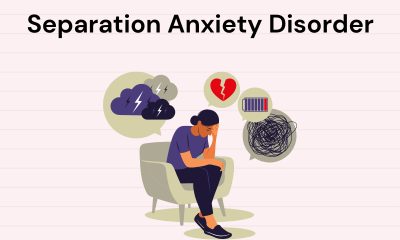
separation anxiety and fear when apart from a loved one usually affects both the mind and the body. It can change anticipation, sleep, avoidance, confidence, and the way ordinary situations are experienced before they even happen.
If parts of this already feel familiar, the sections below can help you recognise how the pattern may be showing up in daily life and where support may help.
What often comes with this kind of strain
Separation anxiety and fear when apart from a loved one often shows up through thoughts, emotions, habits, or relationship patterns before it feels easy to explain clearly.
Many people keep adapting around separation anxiety and fear when apart from a loved one, which can make the strain feel normal even when it is already affecting daily balance.
The effect of separation anxiety and fear when apart from a loved one can reach mood, routine, confidence, communication, or the ability to feel settled through the day.
Counselling can make separation anxiety and fear when apart from a loved one feel more understandable, less isolating, and easier to respond to with steadier next steps.
Daily-Life Understanding
These signs can make it easier to recognise how the issue may be affecting thoughts, feelings, behaviour, or relationships in everyday life.
With separation anxiety and fear when apart from a loved one, anticipation can begin long before the actual situation arrives.
Tension, vigilance, unease, or fast physical reactions often appear even when the person is trying to stay calm.
People often start reducing exposure to stressful situations because it brings short-term relief.
Even small triggers linked with the issue may take more time to settle emotionally or physically.
Common Patterns
These are some of the cycles, habits, and internal responses that can make the issue feel heavier over time.
Where the pattern often shows up
separation anxiety and fear when apart from a loved one often involves repeated forecasting, over-preparation, or worry about what could go wrong.
Checking, reassurance, escape planning, or staying hyper-prepared may start shaping behaviour.
Short-term avoidance may lower discomfort in the moment, but it usually does not resolve the deeper anxiety pattern.
Decisions, travel, social plans, work choices, or confidence can slowly narrow around what feels safest.
Impact Areas
Strain like this rarely stays in one place. It often reaches emotions, routines, confidence, relationships, or the way the body settles after stress.
Impact 01
The nervous system can remain activated even after the stressful moment has passed.
Impact 02
Too much mental forecasting can reduce focus, follow-through, and clarity.
Impact 03
People may start doubting their ability to cope with situations they used to handle more easily.
Impact 04
Small choices can start carrying more emotional weight because the issue is already active in the background.
When Support Is Usually Needed
These are common points where people decide that coping alone is no longer enough and a steadier kind of support may help.
Who This Support Is For
If your experience sounds similar to the points below, it may be a sign that this kind of support could be relevant for you.
How Counselling Can Help
Support can help you make sense of what is happening, respond more steadily, and work on the patterns that are keeping the issue active.
Support helps clarify what is really feeding separation anxiety and fear when apart from a loved one rather than only reacting to the latest episode or trigger.
Counselling can link separation anxiety and fear when apart from a loved one with the parts of life it is affecting most, including relationships, confidence, routine, or emotional steadiness.
Therapy can support steadier coping, better regulation, and clearer next steps around separation anxiety and fear when apart from a loved one.
The goal is not only relief, but a clearer way of understanding, managing, and responding to separation anxiety and fear when apart from a loved one over time.
What Sessions May Focus On
These are the kinds of practical areas people often work on once support begins.
Sessions often begin by clarifying how separation anxiety and fear when apart from a loved one is currently showing up rather than assuming one fixed story about it.
Support may focus on triggers, beliefs, stress responses, and behaviour patterns connected with separation anxiety and fear when apart from a loved one.
Therapy can then shift toward emotional regulation, clearer coping, better boundaries, and a steadier way of handling separation anxiety and fear when apart from a loved one.
Sessions can track what is changing, what is still difficult, and which kinds of support are most useful going forward.
Online Counselling
Online support can make it easier to begin privately, keep momentum, and stay consistent without adding more strain to daily life.
Step 01
You do not need to explain everything perfectly at once. Begin from the part that currently feels heaviest or most disruptive.
Step 02
Online support can help connect the concern with the habits, emotions, and situations that keep it active.
Step 03
Click2Pro keeps the path simple through online sessions, psychologist profile review, and WhatsApp-based guidance when you want it.
What the next step can look like
Myths vs Reality
These clarifications can help if doubt, self-minimising, or mixed advice has made it harder to decide whether support is worth considering.
Myth
It only matters if it becomes extreme.
Reality
Even when separation anxiety and fear when apart from a loved one seems manageable on the surface, persistent strain can still affect functioning, confidence, and emotional balance.
Myth
If you understand it, it should be easy to fix alone.
Reality
Insight is important, but change often becomes easier when the deeper pattern is worked through in a more structured way.
Myth
Support is only useful when the situation becomes unmanageable.
Reality
Many people benefit before the issue reaches crisis level, especially when they want clarity, steadier coping, and a healthier next step.
Psychologists at Click2Pro
If you want to see who you may be speaking with, you can review a few psychologist profiles here before taking the next step.

Expertise

Expertise

Expertise
Speak With Click2Pro
If this is starting to affect day-to-day life, you can explore Separation Anxiety Counselling through Click2Pro on WhatsApp, review psychologist profiles, or use Contact Us if you would like a calmer next step.
Full Detailed Guide
If you want the earlier long-form information on Separation Anxiety Counselling, you can continue with the preserved guide below.
Separation anxiety can disrupt daily life, making even simple moments apart from loved ones a source of overwhelming fear and distress. It often impacts children, teenagers, and adults, leaving them feeling helpless in the face of emotional and physical symptoms. However, with the right guidance, overcoming these challenges is not only possible but achievable.
At Click2Pro, our best online counselling services provide a compassionate and professional approach to help you or your loved ones manage separation anxiety effectively. Through a combination of empathy and evidence-based practices, we aim to address the root causes of anxiety, creating lasting changes for a more balanced and fulfilling life.
Separation anxiety can manifest in numerous ways, from excessive worry about loved ones’ safety to difficulties performing daily activities without them. This is where specialized interventions like separation anxiety behavior therapy come into play. By targeting the patterns that fuel anxiety, our therapy provides tools to rebuild confidence and independence.
With Click2Pro’s separation anxiety counselling, you are not alone in this journey. Our team is here to guide you through personalized strategies, making your path toward emotional well-being as smooth and supportive as possible.
Separation anxiety often reveals itself through emotional, behavioral, and physical symptoms that can disrupt the flow of daily life. It’s more than just missing someone—it’s an overwhelming fear of losing them or being left alone. Recognizing these signs early can help you or your loved one seek timely intervention.
Common Symptoms Include:
Persistent fear about being apart from a loved one.
Physical issues such as headaches, nausea, or difficulty sleeping.
Avoidance of situations that might lead to separation, such as attending school, work, or social events.
Intense distress during or even at the thought of separation.
For children, these symptoms might show up as tantrums, clinginess, or refusal to go to school. For adults, it can manifest as difficulty focusing, strained relationships, or feeling emotionally paralyzed during periods of separation. These challenges can significantly hinder one’s quality of life if left untreated.
This is where professional interventions like separation anxiety therapy become vital. Therapy helps address the root of these fears, providing techniques to manage and reduce anxiety. For those unsure about accessing therapy, platforms offering free therapy online India can act as an initial step toward understanding and tackling these concerns.
At Click2Pro, we specialize in identifying these challenges and guiding individuals through tailored separation anxiety counselling approaches. Our methods not only alleviate the symptoms but also build resilience to future stressors, empowering individuals to regain control of their lives.
While professional guidance through separation anxiety counselling is essential for lasting change, there are practical steps you can take to manage anxiety on your own. These self-help techniques provide a foundation for building emotional resilience and regaining control over anxious thoughts.
1. Gradual Exposure to Separation:
Start with short separations and gradually increase the duration. For instance, a child can spend a few minutes playing in another room while their parent stays nearby, eventually progressing to longer periods apart.
2. Practice Mindfulness and Relaxation Techniques:
Deep breathing exercises, meditation, and progressive muscle relaxation can help calm your mind and reduce the physical symptoms of anxiety. These techniques work well in tandem with separation anxiety behavior therapy to create a sense of inner balance.
3. Journaling and Tracking Emotions:
Writing down your fears and feelings can provide clarity and help you identify triggers. Reflecting on these entries can also highlight progress over time, reinforcing positive changes.
4. Create Comforting Rituals:
Establish routines that provide a sense of security, such as saying goodbye with a hug or a reassuring phrase. These rituals can ease the transition and make separations less daunting.
Remember, these strategies are not a substitute for separation anxiety counselling but can complement professional therapy. By integrating these practices into your daily life, you take the first steps toward overcoming anxiety.
While self-help strategies can provide some relief, professional support is often essential to fully address the complexities of separation anxiety. Many individuals struggle to pinpoint the root causes of their anxiety, and untreated symptoms can escalate, affecting relationships, work, or education.
Through separation anxiety counselling, you gain access to expert guidance that is tailored to your unique needs. Professional therapists utilize evidence-based techniques such as separation anxiety therapy to address the underlying fears and create sustainable coping mechanisms. Therapy not only alleviates immediate symptoms but also empowers individuals to handle future stressors with confidence.
It’s important to recognize the limitations of self-help. While it offers a starting point, therapy provides a deeper level of support that can’t be achieved alone. For example, separation anxiety behavior therapy focuses on restructuring thought patterns and addressing behavioral triggers, ensuring long-term success.
Seeking help is not a sign of weakness; it’s a courageous step toward a better quality of life. At Click2Pro, we’re here to guide you on this journey, offering compassionate care and effective tools through our specialized counselling services.
At Click2Pro, we recognize that every individual’s experience with separation anxiety is unique, requiring a personalized and compassionate approach. Our separation anxiety counselling services are designed to address not just the symptoms but also the underlying causes of anxiety, providing a holistic path to recovery.
1. Customized Treatment Plans:
We begin with a thorough assessment to understand the specific challenges you or your loved one are facing. This helps us create a tailored plan, incorporating techniques like separation anxiety behavior therapy, which focuses on identifying triggers and modifying anxious behaviors.
2. Cognitive Behavioral Therapy (CBT):
CBT is one of the most effective approaches we use, helping individuals reframe negative thought patterns and develop healthier responses to separation. This evidence-based method empowers clients to regain control over their emotions and actions.
3. Family-Centered Therapy:
For children or adolescents, involving family members in the process can significantly enhance outcomes. We guide families on how to provide support and foster a nurturing environment that reduces anxiety.
4. Ongoing Support and Resources:
At Click2Pro, we don’t just focus on immediate relief; we equip you with tools and strategies for long-term success. Our counselors ensure that you feel supported at every step of your journey.
Our separation anxiety counselling emphasizes empathy, expertise, and collaboration, helping individuals and families overcome their struggles and thrive.
At Click2Pro, our clients’ journeys are a testament to the transformative power of separation anxiety counselling. Here are a few anonymized success stories that highlight the effectiveness of our approach:
1. A Mother and Son’s Progress:
When seven-year-old Aarav started school, his severe separation anxiety made mornings a struggle. Through separation anxiety therapy, we helped Aarav’s mother implement gradual exposure techniques, while providing Aarav with tools to manage his fears. Today, Aarav confidently attends school, and his mother feels empowered to support him.
2. An Adult’s Path to Independence:
Sonal, a 29-year-old professional, experienced anxiety whenever her partner traveled for work. Through a combination of CBT and separation anxiety behavior therapy, Sonal learned to manage her anxious thoughts and focus on building her emotional resilience. She now feels more secure and independent, even during extended separations.
These stories reflect how personalized, compassionate care can make a profound difference. At Click2Pro, we are committed to guiding every individual toward a similar transformation through our specialized separation anxiety counselling.
1. What is separation anxiety counselling, and who can benefit from it?
Separation anxiety counselling is a professional service designed to help individuals manage the intense fear and distress associated with being apart from loved ones. It benefits children, teenagers, and adults who experience emotional or physical symptoms of separation anxiety, impacting their daily lives and relationships.
2. How does separation anxiety therapy work?
Separation anxiety therapy employs evidence-based methods like Cognitive Behavioral Therapy (CBT) and gradual exposure techniques to identify triggers and reframe anxious thoughts. It provides clients with coping mechanisms to regain control over their emotions.
3. Can separation anxiety counselling help adults?
Yes, adults experiencing separation anxiety can greatly benefit from counselling. Professional therapy addresses the root causes and equips individuals with tools to build emotional resilience, enhancing their quality of life.
4. How long does counselling take?
The duration of separation anxiety counselling depends on individual needs. While some may notice improvements within a few sessions, others may require a more extended program for lasting results.
5. Can online counselling address separation anxiety effectively?
Absolutely. Many clients find online services just as effective as in-person therapy. Click2Pro’s separation anxiety counselling combines convenience with professional expertise, ensuring quality care from the comfort of your home.
Click2Pro Homepage
If Separation Anxiety Counselling is only part of what you are trying to understand, the homepage gives a broader overview of support options across India.
Related discovery
These options stay close to what you may be dealing with, so it is easier to keep going without losing the thread.
Related Services
Support areas that stay close to this concern if you want to compare what may fit best.
Related Cities
Major cities where this kind of support is available if location matters to your next step.
Related Blogs
Guides and articles that stay close to the current theme.
Related Psychologists
Psychologists you may want to compare if you are looking for someone who feels like a good fit.
FAQ
These answers cover some of the questions people often have when they are trying to understand the issue and decide whether support may help.

Prioritizing mental health is crucial for a balanced and fulfilling life. At Click2Pro, we understand that mental well-being affects every aspect of your life. By investing in mental health, you enhance your happiness and resilience, better equipping yourself to face life's challenges. Our top psychologists and therapists provide personalized, confidential care tailored to your unique needs. Embrace better mental health with Click2Pro and experience the transformative power of compassionate, expert support. You deserve to thrive.





Talk to Therapist