What may be happening
Post-traumatic stress and the feeling of being pulled back into reminders often shows up through thoughts, emotions, habits, or relationship patterns before it feels easy to explain clearly.
Mental Health Support
Discover expert PTSD therapy at Click2Pro. Overcome trauma with personalized care. Get 20 mins free session to start your healing journey today.
Get 20 Minutes Free Session
Continue with Click2Pro on WhatsApp for a calm, issue-focused next step.
Understanding The Concern
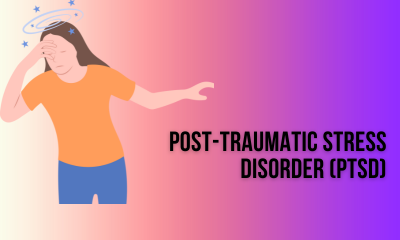
post-traumatic stress and the feeling of being pulled back into reminders often affects safety, trust, emotional regulation, and the way the body responds to reminders. People may feel as if the concern is happening in the present even when the event is in the past.
If parts of this already feel familiar, the sections below can help you recognise how the pattern may be showing up in daily life and where support may help.
What often comes with this kind of strain
Post-traumatic stress and the feeling of being pulled back into reminders often shows up through thoughts, emotions, habits, or relationship patterns before it feels easy to explain clearly.
Many people keep adapting around post-traumatic stress and the feeling of being pulled back into reminders, which can make the strain feel normal even when it is already affecting daily balance.
The effect of post-traumatic stress and the feeling of being pulled back into reminders can reach mood, routine, confidence, communication, or the ability to feel settled through the day.
Counselling can make post-traumatic stress and the feeling of being pulled back into reminders feel more understandable, less isolating, and easier to respond to with steadier next steps.
Daily-Life Understanding
These signs can make it easier to recognise how the issue may be affecting thoughts, feelings, behaviour, or relationships in everyday life.
With post-traumatic stress and the feeling of being pulled back into reminders, seemingly small cues may trigger intense physical or emotional responses.
People may stay alert, guarded, numb, or easily overwhelmed even when they want to feel calmer.
The concern may change how safe people feel with others, with environments, or with themselves.
Pulling away from reminders, conversations, or emotions often starts as self-protection.
Common Patterns
These are some of the cycles, habits, and internal responses that can make the issue feel heavier over time.
Where the pattern often shows up
Hypervigilance, startle responses, or emotional flooding may continue even when danger is not present.
Some people feel flooded by emotion, while others feel cut off from it for periods of time.
With post-traumatic stress and the feeling of being pulled back into reminders, ordinary places, words, dates, or relationship dynamics may suddenly feel emotionally loaded.
People may focus on getting through the day rather than feeling genuinely grounded or safe.
Impact Areas
Strain like this rarely stays in one place. It often reaches emotions, routines, confidence, relationships, or the way the body settles after stress.
Impact 01
Night-time safety, dreams, or the ability to relax can all become harder.
Impact 02
Closeness, trust, boundaries, and emotional honesty often shift when trauma is active.
Impact 03
The mind may stay divided between the present and the need to monitor for risk.
Impact 04
People may question their reactions, memories, or ability to feel steady again.
When Support Is Usually Needed
These are common points where people decide that coping alone is no longer enough and a steadier kind of support may help.
Who This Support Is For
If your experience sounds similar to the points below, it may be a sign that this kind of support could be relevant for you.
Self-Check Indicators
These markers are meant to support clarity, not self-diagnosis. They can help you notice whether the issue is influencing everyday functioning in a meaningful way.
Indicator 01
With post-traumatic stress and the feeling of being pulled back into reminders, stopping the task or workday does not necessarily mean your mind or body actually feels recovered.
Indicator 02
Work, responsibility, or performance stress keeps following you into evenings, sleep, or ordinary conversation.
Indicator 03
You notice less emotional margin for small frustrations, decisions, or routine demands than before.
Indicator 04
From the outside things may still look manageable, while internally the strain already feels unsustainable.
How Counselling Can Help
Support can help you make sense of what is happening, respond more steadily, and work on the patterns that are keeping the issue active.
Support helps clarify what is really feeding post-traumatic stress and the feeling of being pulled back into reminders rather than only reacting to the latest episode or trigger.
Counselling can link post-traumatic stress and the feeling of being pulled back into reminders with the parts of life it is affecting most, including relationships, confidence, routine, or emotional steadiness.
Therapy can support steadier coping, better regulation, and clearer next steps around post-traumatic stress and the feeling of being pulled back into reminders.
The goal is not only relief, but a clearer way of understanding, managing, and responding to post-traumatic stress and the feeling of being pulled back into reminders over time.
What Sessions May Focus On
These are the kinds of practical areas people often work on once support begins.
Sessions often begin by clarifying how post-traumatic stress and the feeling of being pulled back into reminders is currently showing up rather than assuming one fixed story about it.
Support may focus on triggers, beliefs, stress responses, and behaviour patterns connected with post-traumatic stress and the feeling of being pulled back into reminders.
Therapy can then shift toward emotional regulation, clearer coping, better boundaries, and a steadier way of handling post-traumatic stress and the feeling of being pulled back into reminders.
Sessions can track what is changing, what is still difficult, and which kinds of support are most useful going forward.
Online Counselling
Online support can make it easier to begin privately, keep momentum, and stay consistent without adding more strain to daily life.
Step 01
You do not need to explain everything perfectly at once. Begin from the part that currently feels heaviest or most disruptive.
Step 02
Online support can help connect the concern with the habits, emotions, and situations that keep it active.
Step 03
Click2Pro keeps the path simple through online sessions, psychologist profile review, and WhatsApp-based guidance when you want it.
What the next step can look like
Myths vs Reality
These clarifications can help if doubt, self-minimising, or mixed advice has made it harder to decide whether support is worth considering.
Myth
It only matters if it becomes extreme.
Reality
Even when post-traumatic stress and the feeling of being pulled back into reminders seems manageable on the surface, persistent strain can still affect functioning, confidence, and emotional balance.
Myth
If you understand it, it should be easy to fix alone.
Reality
Insight is important, but change often becomes easier when the deeper pattern is worked through in a more structured way.
Myth
Support is only useful when the situation becomes unmanageable.
Reality
Many people benefit before the issue reaches crisis level, especially when they want clarity, steadier coping, and a healthier next step.
Psychologists at Click2Pro
If you want to see who you may be speaking with, you can review a few psychologist profiles here before taking the next step.

Expertise

Expertise

Expertise
Speak With Click2Pro
If this is starting to affect day-to-day life, you can explore Ptsd Therapy through Click2Pro on WhatsApp, review psychologist profiles, or use Contact Us if you would like a calmer next step.
Full Detailed Guide
If you want the earlier long-form information on Ptsd Therapy, you can continue with the preserved guide below.
Post-Traumatic Stress Disorder (PTSD) can leave individuals feeling trapped in a cycle of fear, anxiety, and emotional turmoil. The good news is that with the right PTSD therapy, healing and recovery are within reach. At Click2Pro, we specialize in providing empathetic and effective mental health support tailored to your unique needs. Whether you’re grappling with flashbacks, emotional numbness, or social withdrawal, our therapy sessions are designed to empower you to regain control over your life.
In India, where the stigma surrounding mental health can often prevent individuals from seeking help, services like online mental health counselling India are breaking barriers. At Click2Pro, we offer both in-person and virtual options to make therapy accessible for everyone.
Our PTSD therapy approach incorporates scientifically proven techniques such as Cognitive Behavioral Therapy (CBT) and Eye Movement Desensitization and Reprocessing (EMDR), ensuring personalized care. When you choose Click2Pro, you’re choosing a safe space where your healing becomes a shared goal.
Living with PTSD can feel like carrying an invisible weight, affecting every aspect of life. Common symptoms include reliving traumatic events through flashbacks or nightmares, avoiding situations that trigger memories, and feeling emotionally detached from loved ones. These experiences can lead to challenges such as difficulty maintaining relationships, trouble concentrating at work, and even physical symptoms like headaches or fatigue.
It’s essential to recognize that PTSD doesn’t only arise from life-threatening situations; emotional trauma can also trigger the condition. This is where professional support, like psychologist online consultation, becomes invaluable.
At Click2Pro, our PTSD therapy sessions focus on helping individuals identify and manage these symptoms, offering a path toward emotional balance and resilience. With compassionate guidance from experienced therapists, you’ll learn to face and overcome your triggers, one step at a time.
Managing the symptoms of PTSD on your own can feel overwhelming, but small, consistent steps can make a difference. Here are some strategies you can try:
Practice Mindfulness: Engage in breathing exercises or meditation to ground yourself in the present moment. This can help you reduce the intensity of flashbacks or intrusive thoughts often experienced during PTSD episodes.
Journaling: Writing about your feelings can provide clarity and help you process traumatic events.
Connect with Trusted People: Building a support system of friends or family who understand your struggles can make coping easier.
While self-help strategies can provide some relief, they may not fully address deeper emotional wounds. This is where PTSD therapy steps in, offering tailored techniques to help you confront and overcome your challenges. Combining self-help methods with professional support creates a balanced approach to healing.
Trauma doesn’t have to dictate your life. While self-help strategies can be beneficial, professional guidance through PTSD therapy provides the structure and expertise needed for long-term recovery.
Therapists use evidence-based approaches such as Cognitive Behavioral Therapy (CBT) to reframe negative thought patterns and Eye Movement Desensitization and Reprocessing (EMDR) to reduce the emotional distress linked to traumatic memories. These techniques go beyond surface-level solutions, addressing the root causes of PTSD and enabling lasting change.
Working with a PTSD therapist near me ensures you receive personalized care tailored to your experiences, whether you prefer in-person sessions or virtual consultations. By seeking professional help, you take the first step toward reclaiming your mental well-being and living a fulfilling life.
At Click2Pro, we understand that each person’s journey with PTSD is unique. Our tailored PTSD therapy programs combine empathy, expertise, and evidence-based methods to guide you toward recovery.
We employ techniques like Cognitive Behavioral Therapy (CBT) to help you reframe intrusive thoughts and Eye Movement Desensitization and Reprocessing (EMDR) to alleviate emotional pain linked to trauma. Our therapists create a safe and non-judgmental space, ensuring that every session caters to your pace and comfort.
Whether you prefer in-person sessions or virtual support, we offer flexible options to fit your needs. Choosing Click2Pro means partnering with compassionate experts who are committed to helping you regain control of your life through effective and personalized care.
The effectiveness of PTSD therapy at Click2Pro is best reflected in the lives of our clients. Here’s what one client had to say:
"After years of struggling with nightmares and flashbacks, I finally found hope at Click2Pro. My therapist helped me understand my triggers and taught me coping strategies that have transformed my daily life."
Another client shared:
"I was skeptical about therapy, but the personalized care I received here made all the difference. Today, I feel stronger and more in control of my emotions."
These testimonials are just a glimpse of the impact that our PTSD counselling services can have. Let these success stories inspire your own journey toward healing.
1. What is PTSD therapy, and how can it help?
PTSD therapy involves structured therapeutic methods to help individuals process and overcome trauma. It addresses symptoms such as flashbacks, anxiety, and emotional distress, providing tools to rebuild mental well-being. Techniques like CBT and EMDR are commonly used in effective PTSD therapy.
2. Can PTSD counselling be done online?
Yes, online sessions are an effective way to access therapy, especially for those who may feel uncomfortable visiting a clinic. Click2Pro offers flexible virtual therapy sessions tailored to your needs
3. How long does it take to see results from therapy?
The duration varies depending on individual circumstances and the severity of symptoms. However, many clients begin noticing improvements within a few sessions of consistent PTSD therapy.
Click2Pro Homepage
If Ptsd Therapy is only part of what you are trying to understand, the homepage gives a broader overview of support options across India.
Related discovery
These options stay close to what you may be dealing with, so it is easier to keep going without losing the thread.
Related Services
Support areas that stay close to this concern if you want to compare what may fit best.
Related Cities
Major cities where this kind of support is available if location matters to your next step.
Related Blogs
Guides and articles that stay close to the current theme.
Related Psychologists
Psychologists you may want to compare if you are looking for someone who feels like a good fit.
FAQ
These answers cover some of the questions people often have when they are trying to understand the issue and decide whether support may help.

Prioritizing mental health is crucial for a balanced and fulfilling life. At Click2Pro, we understand that mental well-being affects every aspect of your life. By investing in mental health, you enhance your happiness and resilience, better equipping yourself to face life's challenges. Our top psychologists and therapists provide personalized, confidential care tailored to your unique needs. Embrace better mental health with Click2Pro and experience the transformative power of compassionate, expert support. You deserve to thrive.




Talk to Therapist