What may be happening
Feeling flat, stuck, or unable to follow through often shows up through thoughts, emotions, habits, or relationship patterns before it feels easy to explain clearly.
Lifestyle & Daily-Life Support
Struggling with low motivation? Click2Pro offers expert therapy to help you regain drive and purpose. Get 20 mins free session to start your journey.
Get 20 Minutes Free Session
Continue with Click2Pro on WhatsApp for a calm, issue-focused next step.
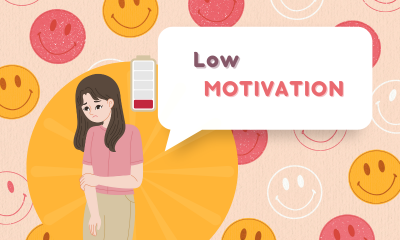
Understanding The Concern
feeling flat, stuck, or unable to follow through often affects the relationship a person has with themselves. It may show up through self-criticism, doubt, perfectionism, comparison, hesitation, or the need for repeated reassurance.
If parts of this already feel familiar, the sections below can help you recognise how the pattern may be showing up in daily life and where support may help.
What often comes with this kind of strain
Feeling flat, stuck, or unable to follow through often shows up through thoughts, emotions, habits, or relationship patterns before it feels easy to explain clearly.
Many people keep adapting around feeling flat, stuck, or unable to follow through, which can make the strain feel normal even when it is already affecting daily balance.
The effect of feeling flat, stuck, or unable to follow through can reach mood, routine, confidence, communication, or the ability to feel settled through the day.
Counselling can make feeling flat, stuck, or unable to follow through feel more understandable, less isolating, and easier to respond to with steadier next steps.
Daily-Life Understanding
These signs can make it easier to recognise how the issue may be affecting thoughts, feelings, behaviour, or relationships in everyday life.
With feeling flat, stuck, or unable to follow through, people often carry a running commentary of doubt, criticism, or ‘not enough’ thinking.
Avoiding exposure, keeping standards unrealistically high, or delaying decisions can feel safer than risking failure.
The person may rely heavily on external approval to feel okay, even briefly.
Even progress may be minimised when self-worth is already unstable.
Common Patterns
These are some of the cycles, habits, and internal responses that can make the issue feel heavier over time.
Where the pattern often shows up
feeling flat, stuck, or unable to follow through often stays active when the person measures themselves harshly against others or against impossible standards.
Over time, self-judgment can start sounding factual rather than emotional.
Procrastination, withdrawal, or perfectionism may be attempts to avoid shame or disappointment.
Positive feedback or progress may not feel stable enough to change the deeper pattern.
Impact Areas
Strain like this rarely stays in one place. It often reaches emotions, routines, confidence, relationships, or the way the body settles after stress.
Impact 01
Self-doubt can make small choices feel unusually loaded.
Impact 02
Boundaries, closeness, communication, and confidence with others may all shift.
Impact 03
The person may hide, over-perform, or struggle to tolerate mistakes.
Impact 04
Setbacks can hit harder when self-worth is already under pressure.
When Support Is Usually Needed
These are common points where people decide that coping alone is no longer enough and a steadier kind of support may help.
Who This Support Is For
If your experience sounds similar to the points below, it may be a sign that this kind of support could be relevant for you.
Self-Check Indicators
These markers are meant to support clarity, not self-diagnosis. They can help you notice whether the issue is influencing everyday functioning in a meaningful way.
Indicator 01
With feeling flat, stuck, or unable to follow through, the gap between knowing what matters and actually beginning can feel wider than it should.
Indicator 02
Postponing, over-preparing, or staying quiet may feel safer than taking a clear next step.
Indicator 03
You notice extra hesitation around choices, boundaries, or actions that once felt more straightforward.
Indicator 04
Even minor setbacks can interrupt follow-through more sharply because the underlying confidence is already strained.
How Counselling Can Help
Support can help you make sense of what is happening, respond more steadily, and work on the patterns that are keeping the issue active.
Support helps clarify what is really feeding feeling flat, stuck, or unable to follow through rather than only reacting to the latest episode or trigger.
Counselling can link feeling flat, stuck, or unable to follow through with the parts of life it is affecting most, including relationships, confidence, routine, or emotional steadiness.
Therapy can support steadier coping, better regulation, and clearer next steps around feeling flat, stuck, or unable to follow through.
The goal is not only relief, but a clearer way of understanding, managing, and responding to feeling flat, stuck, or unable to follow through over time.
What Sessions May Focus On
These are the kinds of practical areas people often work on once support begins.
Sessions often begin by clarifying how feeling flat, stuck, or unable to follow through is currently showing up rather than assuming one fixed story about it.
Support may focus on triggers, beliefs, stress responses, and behaviour patterns connected with feeling flat, stuck, or unable to follow through.
Therapy can then shift toward emotional regulation, clearer coping, better boundaries, and a steadier way of handling feeling flat, stuck, or unable to follow through.
Sessions can track what is changing, what is still difficult, and which kinds of support are most useful going forward.
Online Counselling
Online support can make it easier to begin privately, keep momentum, and stay consistent without adding more strain to daily life.
Step 01
You do not need to explain everything perfectly at once. Begin from the part that currently feels heaviest or most disruptive.
Step 02
Online support can help connect the concern with the habits, emotions, and situations that keep it active.
Step 03
Click2Pro keeps the path simple through online sessions, psychologist profile review, and WhatsApp-based guidance when you want it.
What the next step can look like
Myths vs Reality
These clarifications can help if doubt, self-minimising, or mixed advice has made it harder to decide whether support is worth considering.
Myth
It only matters if it becomes extreme.
Reality
Even when feeling flat, stuck, or unable to follow through seems manageable on the surface, persistent strain can still affect functioning, confidence, and emotional balance.
Myth
If you understand it, it should be easy to fix alone.
Reality
Insight is important, but change often becomes easier when the deeper pattern is worked through in a more structured way.
Myth
Support is only useful when the situation becomes unmanageable.
Reality
Many people benefit before the issue reaches crisis level, especially when they want clarity, steadier coping, and a healthier next step.
Psychologists at Click2Pro
If you want to see who you may be speaking with, you can review a few psychologist profiles here before taking the next step.

Expertise

Expertise

Expertise
Speak With Click2Pro
If this is starting to affect day-to-day life, you can explore Low Motivation Therapy through Click2Pro on WhatsApp, review psychologist profiles, or use Contact Us if you would like a calmer next step.
Full Detailed Guide
If you want the earlier long-form information on Low Motivation Therapy, you can continue with the preserved guide below.
Struggling to find motivation can feel isolating and overwhelming. When simple tasks feel like mountains to climb, or you’re constantly "feeling down and no motivation," it’s time to take a step back and assess what’s holding you back. Lack of motivation can affect your relationships, productivity, and even your mental health. But you don’t have to face this challenge alone.
At Click2Pro, we offer specialized low motivation therapy to help you rediscover your drive and purpose. Our approach combines evidence-based techniques with compassionate care to address the root causes of your challenges, whether it’s stress, burnout, or emotional blocks. Whether you're looking for in-person help or prefer the convenience of online counselling services, we ensure personalized support tailored to your unique needs.
This journey isn't just about regaining motivation—it’s about equipping yourself with tools to thrive in every aspect of your life. Through structured sessions and practical strategies, Click2Pro’s therapists work with you to build sustainable habits and create a positive outlook that lasts.
If you’ve been searching for ways to overcome the "causes of low motivation," Click2Pro is here to help. Together, we’ll take the steps necessary to reignite your passion and move toward a fulfilling life.
Understanding the signs of low motivation can help you recognize when it’s time to seek help. It’s not just about feeling lazy or unproductive—it’s a deeper struggle that can manifest in various ways:
Persistent fatigue, even after rest.
Avoiding responsibilities or procrastinating regularly.
Experiencing a loss of interest in activities you once enjoyed.
Constantly "feeling down and no motivation" without a clear reason.
Difficulty focusing, making decisions, or setting goals.
These symptoms are often linked to causes of low motivation such as:
Stress or burnout: Overloaded schedules can drain your energy.
Underlying mental health issues: Depression or anxiety often contribute to a lack of drive.
Life transitions: Significant changes like a new job, relationship struggles, or grief can disrupt your motivation.
Addressing these challenges isn’t always straightforward. That’s where professional help comes in. Through low motivation therapy, you can identify and work through the barriers holding you back. Click2Pro’s experts also offer online psychologist consultation, making it easier than ever to access the support you need.
Acknowledging these struggles is the first step toward improvement. Therapy can provide the structure and guidance necessary to not only overcome these challenges but also regain your sense of direction.
Overcoming low motivation often starts with small, consistent steps that can help you regain a sense of control and purpose. While professional support is vital for lasting change, implementing these self-help strategies can be a valuable first step:
Break tasks into smaller steps: Tackle tasks one at a time. Accomplishing small goals builds momentum and boosts confidence.
Create a daily routine: Establishing a structured routine reduces decision fatigue and encourages productivity.
Practice mindfulness: Techniques like meditation or deep breathing can improve focus and reduce stress, addressing the causes of low motivation.
Celebrate small wins: Recognize and reward yourself for completing even minor tasks. Positive reinforcement can rekindle your motivation.
Surround yourself with positivity: Connect with people who inspire and support you, creating an environment conducive to growth.
While these tips can make a difference, it’s important to acknowledge when self-help isn’t enough. If you’re still "feeling down and no motivation," it might be time to consider low motivation therapy for more comprehensive and personalized support.
When self-help methods aren’t bringing lasting change, it’s crucial to explore the benefits of professional low motivation therapy. Sometimes, deeper emotional or psychological factors are at play, making it difficult to move forward without guided support.
Professional therapy helps you:
Identify root causes: Whether it’s stress, unresolved trauma, or mental health issues like depression, a therapist can help uncover the causes of low motivation that may not be immediately apparent.
Develop personalized strategies: Unlike one-size-fits-all advice, therapy provides tailored solutions for your unique challenges.
Build emotional resilience: Therapy creates a safe space to express and process emotions, empowering you to rebuild confidence and focus.
Click2Pro’s experienced therapists use evidence-based methods, such as Cognitive Behavioral Therapy (CBT), to address the barriers preventing motivation. Whether you prefer in-person sessions or the convenience of online psychologist consultation, we are committed to providing the tools you need for lasting change.
Seeking professional help isn’t a sign of weakness—it’s a powerful step toward reclaiming control over your life.
At Click2Pro, we understand that every individual’s journey is unique. Our low motivation therapy is designed to address the specific challenges you face, whether they stem from emotional, psychological, or situational factors. With a client-first approach, we aim to provide compassionate care that leads to meaningful, lasting change.
Here’s how our approach works:
Comprehensive Assessment: We begin by understanding your story, identifying the causes of low motivation, and exploring how it affects your daily life.
Evidence-Based Methods: Techniques like Cognitive Behavioral Therapy (CBT) help reshape negative thought patterns that hinder your motivation.
Goal Setting and Progress Tracking: Together, we’ll set achievable goals and track your progress to ensure steady improvement.
Flexible Support Options: Whether in-person or through our accessible online sessions, we’re here to support you every step of the way.
We also integrate motivational interviewing, a collaborative approach to uncover what drives you personally. This combination of structure and empathy ensures our low motivation therapy provides both immediate relief and long-term solutions.
Whether you’re dealing with "feeling down and no motivation" or struggling to identify the root cause, Click2Pro offers the tools and guidance you need to reclaim your life.
"Before starting therapy, I felt stuck in a loop of procrastination and hopelessness. I was constantly feeling down and no motivation to even do the things I once loved. Click2Pro’s low motivation therapy not only helped me identify the reasons behind my struggles but also gave me practical steps to rebuild my energy and focus." – Sneha, 29
"I didn’t realize how much unresolved stress was affecting my ability to stay motivated until I worked with Click2Pro. Their therapists understood the causes of low motivation and guided me with kindness and clarity. Today, I feel more in control and ready to take on challenges." – Ramesh, 34
These stories highlight how personalized and empathetic care can transform lives. At Click2Pro, we take pride in walking alongside our clients on their journey to rediscover purpose and motivation.
Q: How do I know if I need low motivation therapy?
If you’ve been struggling with persistent "feeling down and no motivation," or if it’s affecting your ability to complete tasks and enjoy life, therapy can provide the support and tools you need to overcome these challenges.
Q: What are the main causes of low motivation?
Low motivation can stem from various factors, including emotional burnout, unresolved stress, or mental health conditions like depression. Therapy helps uncover these root causes and addresses them effectively.
Q: Is online therapy effective for low motivation?
Yes, online sessions are equally effective as in-person therapy. At Click2Pro, our experienced therapists ensure that your needs are met, whether you opt for face-to-face or online sessions. Our low motivation therapy is designed to help you find purpose and regain your drive, regardless of the setting.
Q: How long does it take to see results?
The time frame varies based on individual needs, but many clients report noticeable improvements within a few weeks of starting low motivation therapy. Consistency and commitment play a significant role in achieving results.
Click2Pro Homepage
This page is focused on Low Motivation Therapy, but the homepage is still the best overview for online therapy options, psychologist support, and next-step guidance across India.
Related discovery
These paths stay close to the concern or service you are already reviewing, so the next click feels useful rather than random.
Related Services
Parent, child, and sibling service pages that stay close to the current concern.
Related Cities
Explore this support through major approved city pages.
Related Blogs
Guides and articles that stay close to the current theme.
Related Assessments
Self-checks that can help you reflect a little more clearly before you decide what to do next.
FAQ
These answers cover some of the questions people often have when they are trying to understand the issue and decide whether support may help.

Prioritizing mental health is crucial for a balanced and fulfilling life. At Click2Pro, we understand that mental well-being affects every aspect of your life. By investing in mental health, you enhance your happiness and resilience, better equipping yourself to face life's challenges. Our top psychologists and therapists provide personalized, confidential care tailored to your unique needs. Embrace better mental health with Click2Pro and experience the transformative power of compassionate, expert support. You deserve to thrive.





Talk to Therapist