What may be happening
Gender dysphoria and the distress around feeling out of alignment often shows up through thoughts, emotions, habits, or relationship patterns before it feels easy to explain clearly.
Mental Health Support
Expert counselling for gender dysphoria at Click2Pro. Explore identity with trusted therapists. Get 20 mins free consultation now
Get 20 Minutes Free Session
Continue with Click2Pro on WhatsApp for a calm, issue-focused next step.
Understanding The Concern
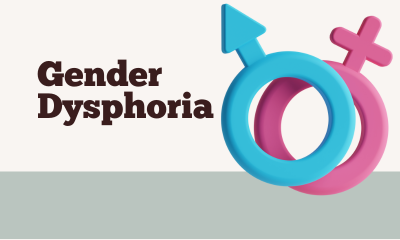
gender dysphoria and the distress around feeling out of alignment often involves more than confusion alone. It can affect belonging, safety, self-expression, emotional energy, and the pressure of trying to hold a coherent sense of self in difficult environments.
If parts of this already feel familiar, the sections below can help you recognise how the pattern may be showing up in daily life and where support may help.
What often comes with this kind of strain
Gender dysphoria and the distress around feeling out of alignment often shows up through thoughts, emotions, habits, or relationship patterns before it feels easy to explain clearly.
Many people keep adapting around gender dysphoria and the distress around feeling out of alignment, which can make the strain feel normal even when it is already affecting daily balance.
The effect of gender dysphoria and the distress around feeling out of alignment can reach mood, routine, confidence, communication, or the ability to feel settled through the day.
Counselling can make gender dysphoria and the distress around feeling out of alignment feel more understandable, less isolating, and easier to respond to with steadier next steps.
Daily-Life Understanding
These signs can make it easier to recognise how the issue may be affecting thoughts, feelings, behaviour, or relationships in everyday life.
With gender dysphoria and the distress around feeling out of alignment, people often carry an internal experience that is clearer emotionally than it is verbally.
Support needs may be shaped by family, culture, safety, acceptance, or relationship dynamics.
People may spend a lot of energy editing themselves, anticipating reactions, or trying not to invite conflict.
The issue can influence whether someone feels seen, safe, or able to express themselves honestly.
Common Patterns
These are some of the cycles, habits, and internal responses that can make the issue feel heavier over time.
Where the pattern often shows up
People may hide parts of themselves to reduce risk or discomfort.
gender dysphoria and the distress around feeling out of alignment can stay active when a person keeps receiving mixed, minimising, or invalidating responses.
There can be tension between what feels true internally and what feels safe or possible externally.
The mental effort of holding the issue alone can be very tiring over time.
Impact Areas
Strain like this rarely stays in one place. It often reaches emotions, routines, confidence, relationships, or the way the body settles after stress.
Impact 01
People may question their right to take up space, speak clearly, or ask for what they need.
Impact 02
Safety, belonging, and honesty may all require more emotional calculation.
Impact 03
Choices may carry more weight when identity and environment are in tension.
Impact 04
Support often matters because feeling safer or more understood can change the whole emotional burden.
When Support Is Usually Needed
These are common points where people decide that coping alone is no longer enough and a steadier kind of support may help.
Who This Support Is For
If your experience sounds similar to the points below, it may be a sign that this kind of support could be relevant for you.
Self-Check Indicators
These markers are meant to support clarity, not self-diagnosis. They can help you notice whether the issue is influencing everyday functioning in a meaningful way.
Indicator 01
With gender dysphoria and the distress around feeling out of alignment, a lot of energy can go into adjusting expression, language, or visibility from one setting to another.
Indicator 02
Different spaces may feel supportive, neutral, or draining in ways that affect your whole emotional baseline.
Indicator 03
Being fully open may carry more tension, calculation, or emotional risk than other people realise.
Indicator 04
Even subtle invalidation or uncertainty can keep shaping confidence and emotional recovery after the moment ends.
How Counselling Can Help
Support can help you make sense of what is happening, respond more steadily, and work on the patterns that are keeping the issue active.
Support helps clarify what is really feeding gender dysphoria and the distress around feeling out of alignment rather than only reacting to the latest episode or trigger.
Counselling can link gender dysphoria and the distress around feeling out of alignment with the parts of life it is affecting most, including relationships, confidence, routine, or emotional steadiness.
Therapy can support steadier coping, better regulation, and clearer next steps around gender dysphoria and the distress around feeling out of alignment.
The goal is not only relief, but a clearer way of understanding, managing, and responding to gender dysphoria and the distress around feeling out of alignment over time.
What Sessions May Focus On
These are the kinds of practical areas people often work on once support begins.
Sessions often begin by clarifying how gender dysphoria and the distress around feeling out of alignment is currently showing up rather than assuming one fixed story about it.
Support may focus on triggers, beliefs, stress responses, and behaviour patterns connected with gender dysphoria and the distress around feeling out of alignment.
Therapy can then shift toward emotional regulation, clearer coping, better boundaries, and a steadier way of handling gender dysphoria and the distress around feeling out of alignment.
Sessions can track what is changing, what is still difficult, and which kinds of support are most useful going forward.
Online Counselling
Online support can make it easier to begin privately, keep momentum, and stay consistent without adding more strain to daily life.
Step 01
You do not need to explain everything perfectly at once. Begin from the part that currently feels heaviest or most disruptive.
Step 02
Online support can help connect the concern with the habits, emotions, and situations that keep it active.
Step 03
Click2Pro keeps the path simple through online sessions, psychologist profile review, and WhatsApp-based guidance when you want it.
What the next step can look like
Myths vs Reality
These clarifications can help if doubt, self-minimising, or mixed advice has made it harder to decide whether support is worth considering.
Myth
It only matters if it becomes extreme.
Reality
Even when gender dysphoria and the distress around feeling out of alignment seems manageable on the surface, persistent strain can still affect functioning, confidence, and emotional balance.
Myth
If you understand it, it should be easy to fix alone.
Reality
Insight is important, but change often becomes easier when the deeper pattern is worked through in a more structured way.
Myth
Support is only useful when the situation becomes unmanageable.
Reality
Many people benefit before the issue reaches crisis level, especially when they want clarity, steadier coping, and a healthier next step.
Psychologists at Click2Pro
If you want to see who you may be speaking with, you can review a few psychologist profiles here before taking the next step.

Expertise

Expertise

Expertise
Speak With Click2Pro
If this is starting to affect day-to-day life, you can explore Counselling for Gender Dysphoria through Click2Pro on WhatsApp, review psychologist profiles, or use Contact Us if you would like a calmer next step.
Full Detailed Guide
If you want the earlier long-form information on Counselling for Gender Dysphoria, you can continue with the preserved guide below.
Navigating the challenges of gender dysphoria can feel overwhelming, but you’re not alone. At Click2Pro, we provide compassionate counselling for gender dysphoria, offering a safe and non-judgmental space to explore your identity and emotions. Whether you’re questioning your gender or seeking support during your transition, our specialized therapists are here to guide you on your journey.
Gender dysphoria often brings with it feelings of anxiety, confusion, and emotional distress. It’s not uncommon to feel misunderstood or face societal pressures that amplify these challenges. That’s where professional support becomes invaluable. With online counselling services, you can connect with experienced therapists who understand your unique needs, all from the comfort of your home.
Our approach combines evidence-based techniques, like Cognitive Behavioral Therapy (CBT), with empathy and inclusivity. By choosing counselling for gender dysphoria, you take the first step towards self-discovery, healing, and confidence. Reach out today and start building the life you deserve.
Living with gender dysphoria often means facing emotional, social, and psychological hurdles. Feelings of discomfort with your assigned gender, challenges in expressing your true identity, and societal stigma can lead to a range of mental health issues. Many individuals experience anxiety, depression, or even isolation due to fear of judgment.
One of the most significant challenges is navigating relationships—whether with family, friends, or at work—while staying true to yourself. Additionally, the lack of understanding and support can make it hard to articulate your feelings or seek help. That’s why online mental health counselling india is essential, offering a secure space to share your struggles with trained professionals.
Through specialized counselling for gender dysphoria, you can learn to manage emotional distress, improve self-esteem, and develop strategies for communicating your needs effectively. Therapy is not just about addressing the challenges—it’s about empowering you to live authentically and confidently.
While professional counselling for gender dysphoria offers significant support, there are some self-help strategies you can implement to improve your emotional well-being. These practical steps can help you manage the challenges of gender dysphoria on your own:
Journaling: Writing down your feelings can be a therapeutic way to explore your identity and better understand your emotions. It can also help you track progress during your therapy sessions.
Mindfulness Practices: Techniques like meditation or breathing exercises can reduce anxiety and provide clarity. These practices are particularly helpful when you feel overwhelmed.
Connecting with Support Groups: Finding a community of individuals who understand your experiences can reduce feelings of isolation. Many groups offer both in-person and virtual options.
Educating Yourself and Others: Learning more about gender dysphoria and sharing information with loved ones can foster understanding and empathy.
While these strategies are beneficial, they are no substitute for the structured guidance provided by counselling for gender dysphoria. Self-help can complement professional therapy, creating a more comprehensive path toward self-discovery.
Dealing with the emotional toll of gender dysphoria alone can be overwhelming, and that’s where professional therapy plays a critical role. Unlike self-help strategies, professional counselling for gender dysphoria provides tailored tools to help you manage your emotions and navigate societal pressures.
Therapists specializing in gender dysphoria can help you explore your identity in a safe, supportive environment. With proven techniques such as Cognitive Behavioral Therapy (CBT), therapy addresses the mental health impacts of gender dysphoria, including anxiety and depression. It also offers guidance on how to communicate your feelings effectively to friends, family, and colleagues.
If you’re searching for “therapy for gender dysphoria,” you’re already taking an important step toward prioritizing your mental health. Professional support not only helps you manage your current struggles but also empowers you to build confidence and self-acceptance for the future.
At Click2Pro, we believe that everyone deserves personalized and compassionate support. Our counselling for gender dysphoria services are designed to meet you where you are, with an approach tailored to your unique needs and experiences. We combine evidence-based therapeutic methods with an inclusive, empathetic environment to help you feel safe and understood.
Our therapists are trained in various modalities, including Cognitive Behavioral Therapy (CBT), trauma-focused therapy, and family therapy, to address both the emotional and social challenges of gender dysphoria. Whether you’re exploring your identity or dealing with anxiety, we ensure your journey is supported every step of the way.
If you’re searching for “gender dysphoria therapist near me,” our online and in-person services make therapy accessible no matter where you are. With Click2Pro, you’re not just getting therapy—you’re gaining a partner in your path to self-acceptance.
Hearing from others who have walked a similar path can be incredibly reassuring. Our counselling for gender dysphoria services have transformed lives, helping clients find clarity, confidence, and peace of mind.
One of our clients shared: “Therapy helped me navigate the complexities of my gender identity. My therapist’s guidance made me feel seen, heard, and understood for the first time. It changed my life.”
Another client noted: “Through Click2Pro, I learned how to manage the anxiety caused by gender dysphoria. The strategies I gained through therapy have empowered me to express myself authentically.”
These success stories illustrate the positive impact of seeking support. If you’re ready to take the first step, reach out today to begin your journey with counselling for gender dysphoria.
What is counselling for gender dysphoria?
Counselling for gender dysphoria is a therapeutic process designed to help individuals explore their gender identity, manage emotional distress, and navigate societal challenges. It offers a safe space to express your feelings and gain tools for building self-confidence.
Can therapy help me decide about transitioning?
Yes, therapy provides guidance without pressure. Working with a trained professional allows you to explore your thoughts and feelings regarding transitioning in a supportive environment.
How do I find a gender dysphoria therapist near me?
Start by researching qualified professionals who specialize in gender dysphoria. At Click2Pro, we offer convenient access to experienced therapists through both online and offline services.
Click2Pro Homepage
If Counselling for Gender Dysphoria is only part of what you are trying to understand, the homepage gives a broader overview of support options across India.
Related discovery
These options stay close to what you may be dealing with, so it is easier to keep going without losing the thread.
Related Services
Support areas that stay close to this concern if you want to compare what may fit best.
Related Cities
Major cities where this kind of support is available if location matters to your next step.
Related Blogs
Guides and articles that stay close to the current theme.
Related Psychologists
Psychologists you may want to compare if you are looking for someone who feels like a good fit.
FAQ
These answers cover some of the questions people often have when they are trying to understand the issue and decide whether support may help.

Prioritizing mental health is crucial for a balanced and fulfilling life. At Click2Pro, we understand that mental well-being affects every aspect of your life. By investing in mental health, you enhance your happiness and resilience, better equipping yourself to face life's challenges. Our top psychologists and therapists provide personalized, confidential care tailored to your unique needs. Embrace better mental health with Click2Pro and experience the transformative power of compassionate, expert support. You deserve to thrive.


Talk to Therapist