Table of Contents
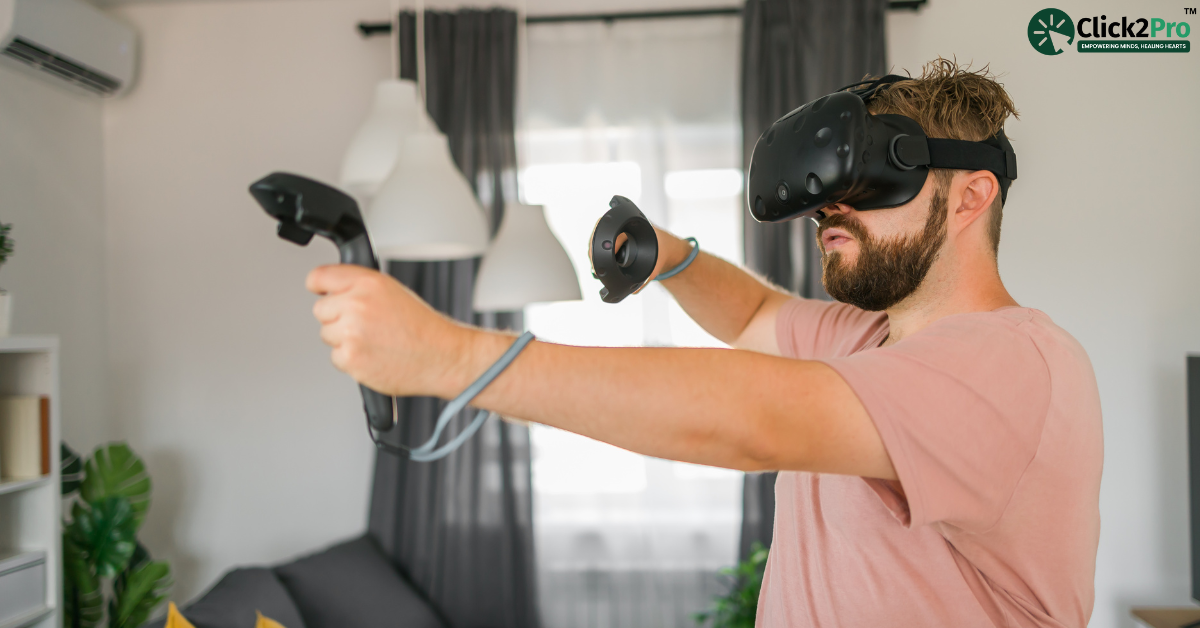
VRET utilizes computer-generated simulations to immerse individuals in virtual scenarios that mirror real-life situations associated with their phobias. By donning VR headsets, patients can confront their fears in a safe, controlled setting, allowing for gradual desensitization. This method has been particularly effective in treating various phobias, including fear of heights, flying, and public speaking.
For those seeking effective solutions, online counselling in India now includes innovative approaches like virtual reality therapy, bringing phobia treatment within reach from the comfort of home.
The Science Behind VRET
The effectiveness of VRET lies in its ability to replicate real-world stimuli, triggering similar psychological and physiological responses. This immersive experience facilitates exposure therapy, a cornerstone of CBT, by enabling repeated and controlled exposure to feared stimuli. Studies have demonstrated that VRET can significantly reduce phobic symptoms, with some research indicating a 75% reduction in symptoms after a six-week treatment program.
Advantages of VRET Over Traditional Methods
One of the primary benefits of VRET is the ability to create customizable and repeatable scenarios tailored to individual needs. This flexibility allows therapists to adjust the intensity and nature of exposure, ensuring a personalized treatment plan. Additionally, VRET offers a safe environment where patients can confront their fears without real-world risks, enhancing the overall therapeutic experience.
Implementing VRET in Therapy
The process begins with a comprehensive assessment to identify the specific phobia and its severity. Therapists then develop a hierarchy of feared situations, starting with less anxiety-provoking scenarios and gradually progressing to more challenging ones. During sessions, patients are immersed in virtual environments corresponding to their fears, with therapists providing guidance and support throughout the process. This structured approach facilitates gradual desensitization and cognitive restructuring.
The process begins with a comprehensive assessment to identify the specific phobia and its severity. For individuals in Balasore seeking innovative mental health solutions, online counselling in Balasore now offers advanced techniques like Virtual Reality Exposure Therapy (VRET), making it easier to access phobia treatment without leaving the comfort of home.
Case Study: Overcoming Acrophobia with VRET
Consider the case of a 35-year-old individual from Balasore who had a debilitating fear of heights, preventing them from visiting friends residing in high-rise apartments. Through VRET, they engaged in virtual scenarios involving ascending tall buildings and observing cityscapes from elevated viewpoints. Over several sessions, their anxiety levels decreased, enabling them to comfortably visit friends in high-rise buildings, thereby improving their social interactions and quality of life.
Challenges and Considerations
While VRET offers numerous advantages, it is not without challenges. Access to VR technology can be limited, and some individuals may experience motion sickness or discomfort during sessions. Moreover, the success of VRET heavily depends on the expertise of the therapist and the quality of the virtual simulations. Therefore, it is essential to ensure that therapists are adequately trained and that the VR environments are realistic and tailored to individual needs.
Future Directions in VRET
The future of VRET is promising, with ongoing advancements aimed at enhancing its effectiveness and accessibility. Developments in artificial intelligence and machine learning are paving the way for more adaptive and personalized virtual environments. Additionally, the integration of biofeedback mechanisms can provide real-time data on physiological responses, allowing for more precise adjustments during therapy sessions. As technology becomes more affordable, VRET is poised to become a mainstream tool in mental health treatment, offering hope to individuals grappling with phobias.
Conclusion
Virtual Reality Exposure Therapy represents a significant advancement in the treatment of phobias, offering a controlled, immersive, and customizable approach to exposure therapy. By leveraging cutting-edge technology, VRET provides individuals with a safe platform to confront and overcome their fears, leading to improved mental health outcomes. As research and technology continue to evolve, VRET holds the potential to transform the landscape of phobia treatment, making therapy more accessible and effective for individuals worldwide.
FAQs
-
How does virtual reality help treat phobias?
Virtual reality helps treat phobias by immersing individuals in controlled, simulated environments that mirror real-life situations associated with their fears. This controlled exposure allows for gradual desensitization and cognitive restructuring, leading to reduced phobic responses.
-
Is virtual reality therapy effective for all types of phobias?
Virtual reality therapy has shown effectiveness in treating various phobias, including fear of heights, flying, and public speaking. However, its efficacy can vary depending on the individual and the specific nature of the phobia.
-
What are the advantages of using VR over traditional exposure therapy?
VR offers a safe, controlled, and customizable environment for exposure therapy, reducing the risks associated with real-world exposure. It also allows for repeatable and adjustable scenarios tailored to individual needs, enhancing the overall therapeutic experience.
-
Can VR therapy for phobias be done at home?
While some VR platforms offer at-home versions, it is generally recommended that VR therapy for phobias be conducted under the guidance of a trained therapist to ensure safety and effectiveness.
-
What are the costs associated with VR therapy for phobias?
The costs of VR therapy can vary depending on factors such as the therapist's fees, the complexity of the VR system used, and the number of sessions required. It is advisable to consult with a mental health professional to obtain specific cost information.
-
Are there any risks involved in VR therapy for phobias?
While VR therapy is generally safe, some individuals may experience discomfort, motion sickness, or increased anxiety during sessions. It is important to work with a trained therapist who can monitor and address any adverse reactions