Table of Contents
Sexual health is a vital aspect of overall well-being, yet it often remains a sensitive topic, especially when discussing changes following childbirth or significant life events. Many individuals in Haldia and across India experience shifts in their sexual function during these times, leading to concerns and questions about normalcy and recovery.
The Impact of Childbirth on Sexual Health
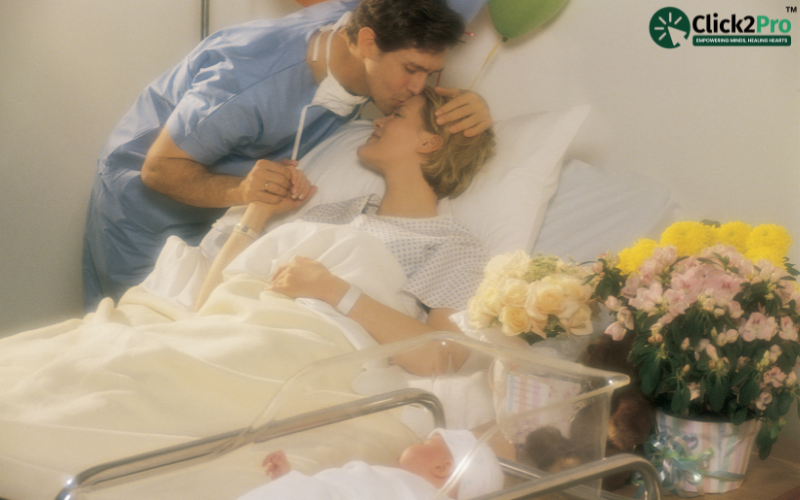
Childbirth brings profound physical and emotional transformations. Physically, women may encounter hormonal fluctuations, perineal trauma, and pelvic floor weakening, all of which can influence sexual desire and comfort. Emotionally, the postpartum period can introduce stress, fatigue, and body image concerns, further affecting intimacy. Studies indicate that a significant number of women experience some form of sexual dysfunction in the months following delivery.
Major Life Changes and Sexual Function
Beyond childbirth, other significant life events—such as relocating to a new city like Haldia, career transitions, or health challenges—can also impact sexual health. Stress, anxiety, and emotional upheaval associated with these changes can lead to decreased libido, erectile dysfunction in men, or arousal difficulties in women. It's essential to recognize that these responses are common and often temporary.
Recognizing Symptoms of Sexual Dysfunction
Identifying sexual dysfunction involves being attentive to both physical and emotional signs. Physically, individuals might experience pain during intercourse, difficulty achieving or maintaining an erection, or challenges with arousal and orgasm. Emotionally, feelings of disinterest in sexual activity, anxiety related to intimacy, or diminished self-esteem can be indicators. Open communication with one's partner and self-awareness are crucial in recognizing these symptoms.
Sexual Dysfunction: Steps to Consider
Open Communication: Discussing concerns with your partner can alleviate misunderstandings and foster mutual support.
Seek Professional Guidance: Consulting healthcare providers or mental health professionals can offer personalized strategies. For residents of Haldia, accessing online counselling in India provides a convenient and confidential option.
Lifestyle Adjustments: Incorporating stress-reduction techniques, maintaining a balanced diet, and engaging in regular physical activity can enhance overall well-being and sexual health.
Educational Resources: Educating oneself about sexual health can demystify experiences and reduce anxiety. Platforms like Click2Pro offer valuable insights and support.
When to Consult a Professional
If sexual dysfunction persists or causes significant distress, it's advisable to seek professional help. Mental health professionals, such as the best counsellors in Haldia, can provide tailored interventions. Online counselling services in India also offer accessible support for those preferring remote assistance.
Conclusion
Experiencing changes in sexual function after childbirth or during major life transitions is common. Acknowledging these shifts, maintaining open communication, and seeking appropriate support can lead to effective management and improvement. Remember, prioritizing sexual health is integral to overall well-being.
FAQs
1.Is it normal to experience decreased libido after childbirth?
Yes, many women experience a temporary decrease in libido postpartum due to hormonal changes, fatigue, and emotional adjustments.
2.Can stress from major life changes cause sexual dysfunction?
Absolutely. Stress and anxiety from significant life events can impact sexual desire and function in both men and women.
3.How long does postpartum sexual dysfunction typically last?
The duration varies; some individuals notice improvement within a few months, while others may experience challenges for up to a year. Consulting a healthcare provider can offer guidance.
4.Are there local resources in Haldia for addressing sexual dysfunction?
Yes, residents can access services from the best counsellors in Haldia or utilize online counselling platforms in India for support.
5.What lifestyle changes can improve sexual health after major life events?
Engaging in regular physical activity, practicing stress management techniques, maintaining a balanced diet, and fostering open communication with your partner can positively influence sexual health.