Table of Contents
- What is Seasonal Affective Disorder (SAD) and Why It’s Often Explored on Quizlet?
- Why Quizlet Is a Useful Yet Limited Tool for Understanding SAD
- The Deeper Connection: How Light Therapy and Serotonin Levels Impact SAD
- Recognizing the Gaps in Learning SAD from Quizlet
- What You Won’t Find on Quizlet: User Experiences and Real-World Insights
- FAQs
- Conclusion
- About the Author
In the world of online learning, platforms like Quizlet have become valuable resources for students and learners to understand complex topics, including mental health conditions like Seasonal Affective Disorder (SAD). While many turn to Quizlet for quick information, understanding SAD through simplified tools can leave gaps in knowledge. This blog dives into the association between SAD and Quizlet, exploring how this platform supports learning while addressing the depth of SAD that is often missed when relying solely on study tools.
While platforms like Quizlet can provide a basic understanding of mental health conditions such as Seasonal Affective Disorder, seeking advice from the best online psychologist is crucial for personalized care and deeper insights.
What is Seasonal Affective Disorder (SAD) and Why It’s Often Explored on Quizlet?
Seasonal Affective Disorder is a type of depression that occurs during specific seasons, most often in winter, though some people may experience it during summer. SAD is closely linked to changes in light exposure, circadian rhythms, and serotonin levels, affecting mood and behavior. Quizlet offers flashcards and quizzes that define SAD's symptoms, treatments, and causes, often summarizing them in digestible formats for students preparing for exams.
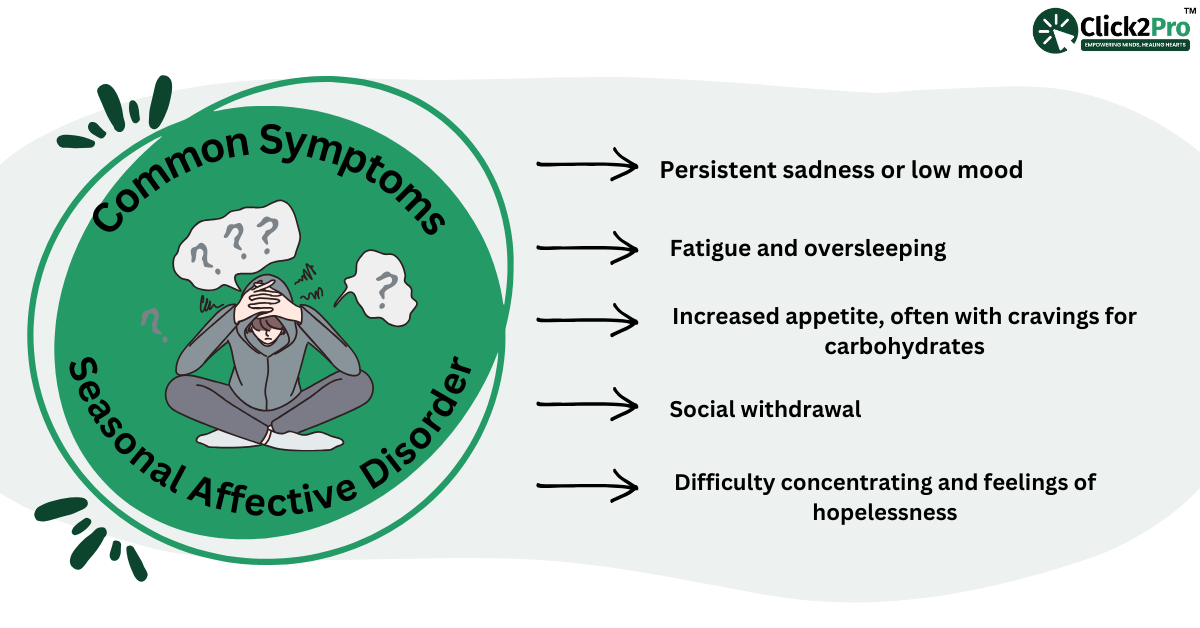
However, learning about SAD on Quizlet might only scratch the surface. The platform’s flashcards often cover basic symptoms like fatigue, oversleeping, carbohydrate cravings, and feelings of hopelessness (particularly in winter-pattern SAD). These symptoms might align with content from major medical organizations, but critical elements, such as the role of serotonin, light therapy, and long-term treatment strategies, are often less explored.
Why Quizlet Is a Useful Yet Limited Tool for Understanding SAD
Quizlet is a useful tool, especially for psychology students or those studying for exams, because it allows for the easy memorization of terms and definitions related to mental health conditions. Learners on Quizlet can quickly review common symptoms like social withdrawal, low energy, and sleep disturbances, often found in winter-pattern SAD. The platform also provides insights into treatment options like light therapy or medication such as selective serotonin reuptake inhibitors (SSRIs) that are frequently used to treat SAD.
However, these brief summaries can omit important details about the condition. For instance, while Quizlet might mention light therapy as a treatment, it may not delve into the specific protocols for effective light therapy, such as duration, intensity, or the importance of timing during the day. These nuances are vital for understanding the full scope of SAD and its management. Additionally, Quizlet might not discuss the critical impact of cognitive-behavioral therapy (CBT), which has been shown to be highly effective for both acute and recurrent SAD episodes.
The Deeper Connection: How Light Therapy and Serotonin Levels Impact SAD
While Quizlet might highlight that light therapy is a first-line treatment for SAD, a deeper understanding reveals that the disorder is closely linked to the body’s circadian rhythms and serotonin levels. In winter months, reduced sunlight exposure disrupts the production of serotonin, a key neurotransmitter responsible for mood regulation. Serotonin drops can lead to the onset of depressive symptoms. Bright light therapy helps reset the body’s internal clock and boosts serotonin activity, but this therapy must be done correctly to be effective.
Studies show that sitting in front of a lightbox for 20–30 minutes daily can help reduce SAD symptoms in about two weeks.
However, it’s important to consider that light therapy isn't suitable for everyone, particularly those with underlying conditions like bipolar disorder, where light exposure could trigger mania. These critical details might not be fully covered in simplified study tools like Quizlet.
Recognizing the Gaps in Learning SAD from Quizlet
Students using Quizlet may grasp basic definitions and diagnostic criteria for SAD, but recognizing the nuances and complexities of the disorder requires further research. Quizlet might introduce the idea that SAD is more prevalent in women or those living far from the equator, where reduced daylight hours are more common. But students should also understand that SAD is associated with other mental health conditions, such as anxiety, eating disorders, and bipolar disorder.
Additionally, while Quizlet might touch on common treatments like light therapy or antidepressants, understanding the long-term management of SAD is crucial. Studies indicate that while light therapy is effective for many people, a combination of treatments—such as CBT and medication—may offer better long-term outcomes. CBT, in particular, can help people change negative thought patterns associated with the disorder and has been found to be more effective than light therapy in preventing SAD recurrence.
What You Won’t Find on Quizlet: User Experiences and Real-World Insights
Quizlet is designed for quick memorization and may not provide insights into the lived experiences of those dealing with SAD. Personal stories, expert opinions, and testimonials from people who have successfully managed SAD can provide more context and emotional resonance. This is where platforms like Click2Pro can offer personalized support, real-world advice, and tailored treatment plans.
An example might be a student who discovered their SAD through studying mental health conditions on Quizlet. While the platform gave them a basic understanding, it was only after speaking with a professional therapist that they fully understood how to manage their symptoms through a combination of light therapy, medication, and lifestyle changes. Platforms like Click2Pro provide the nuanced care and understanding that Quizlet alone cannot offer.
FAQs
1.What are the most common symptoms of Seasonal Affective Disorder (SAD)?
The most common symptoms of SAD include persistent sadness, oversleeping, fatigue, and a strong craving for carbohydrates. These symptoms often appear during the winter months but can also occur during summer in rare cases.
2.Can Quizlet help me fully understand SAD?
Quizlet is a great starting point for learning about SAD, but it provides only a surface-level understanding. To gain a comprehensive view of the disorder, it's recommended to consult medical professionals and resources that provide detailed information on treatments and long-term management.
3.Is light therapy enough to treat SAD?
Light therapy is an effective treatment for many people with SAD, but it is not the only solution. Combining light therapy with other treatments like cognitive-behavioral therapy (CBT) and, in some cases, antidepressant medications offers more comprehensive symptom relief.
4.How long does it take for light therapy to work?
Most individuals start to see improvements in their SAD symptoms within two weeks of starting light therapy. However, it's important to follow the treatment consistently and consult a doctor to ensure it's the right approach for you.
5.What should I do if I think I have SAD?
If you suspect you have SAD, it’s crucial to seek advice from a healthcare provider. They can provide a proper diagnosis and recommend treatments like light therapy, medication, or therapy sessions to help manage your symptoms.
Conclusion
While Quizlet serves as a useful tool for understanding the basics of SAD, it’s important to seek out more comprehensive resources and professional guidance for managing this seasonal depression. A combination of learning platforms, professional consultations, and self-care strategies will offer the best outcomes for those dealing with SAD. Click2Pro can provide personalized support and therapies that are tailored to individual needs, ensuring a more holistic approach to mental well-being.
About the Author
Anu Sebastian is a Senior Psychologist at Click2Pro with extensive experience in treating mood disorders like Seasonal Affective Disorder (SAD). She specializes in cognitive-behavioral therapy (CBT) and light therapy, offering personalized care to help clients manage seasonal changes and mental health challenges. Anu is also an accomplished writer, simplifying complex psychological topics for a broader audience, particularly in India, making her a trusted voice in mental health education and support.