Table of Contents
- What Is Postpartum Depression?
- Mental Health in Thane: Challenges and Context
- Early Signs of Postpartum Depression
- Why Early Detection Matters
- Government and NGO Support for Maternal Mental Health in Thane
- How Click2Pro Supports New Mothers in Thane
- Self-Care Strategies for Managing PPD
- FAQs
- Conclusion
Becoming a mother is one of the most transformative experiences in a woman’s life. However, amidst the joy of welcoming a new life, many mothers face unexpected emotional challenges, including sadness, anxiety, and a lack of connection with their baby. These feelings, often overlooked, could signal postpartum depression (PPD)—a condition that affects countless women worldwide, including those in Thane, a bustling urban hub in Maharashtra.
In a city like Thane, known for its fast-paced lifestyle and growing population, the need for postpartum mental health awareness is more critical than ever. The urban pressures of managing finances, navigating congested roads, and meeting societal expectations to be a "perfect mother" can exacerbate mental health struggles in new mothers.
This guide aims to provide new mothers in Thane with the tools to recognize early signs of postpartum depression and seek timely help. Backed by research, local insights, and expert advice, we’ll walk you through symptoms, causes, and actionable steps for managing PPD. If you’re navigating motherhood in areas like Ghodbunder Road, Naupada, or Vasant Vihar, know that help is available—and you’re not alone.
What Is Postpartum Depression?
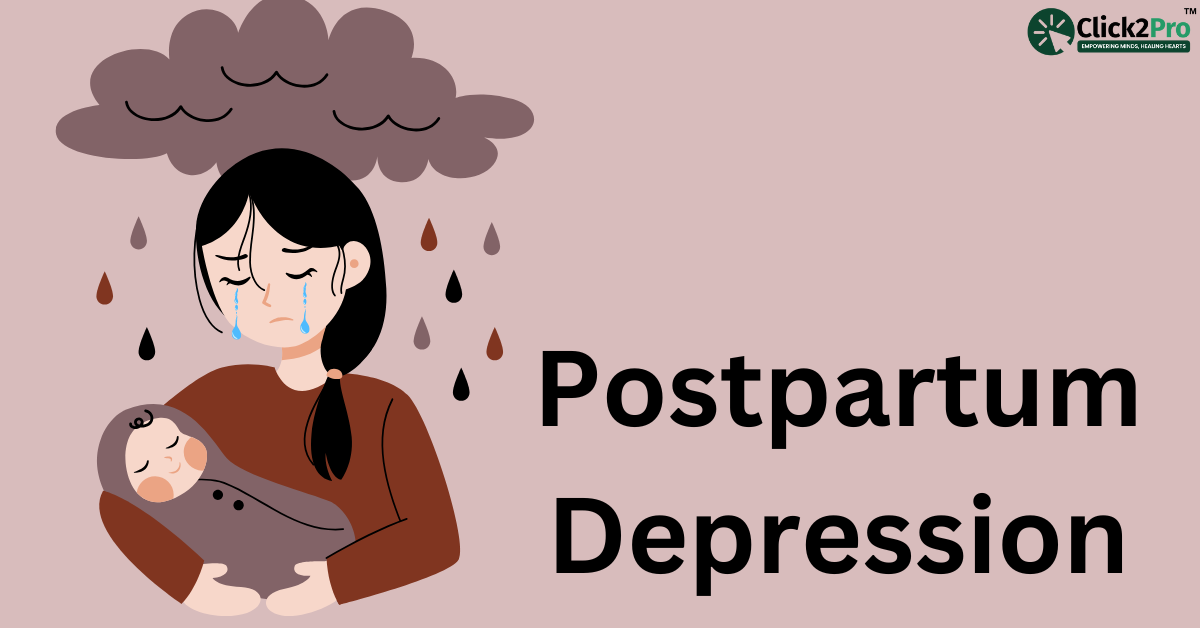
Postpartum depression is a mental health condition that affects women after childbirth. Unlike the "baby blues," which usually resolve within two weeks, PPD is more severe and lasts longer. It can begin anytime during the first year postpartum, with symptoms that disrupt daily life.
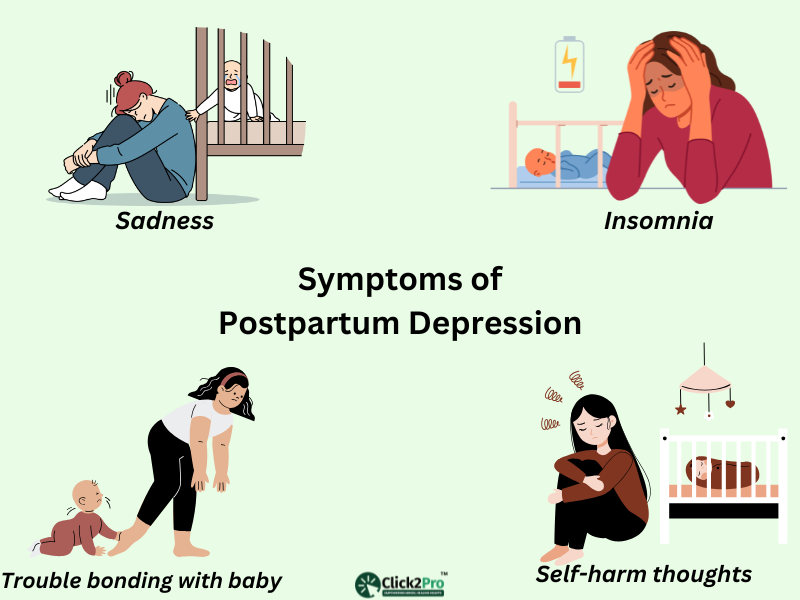
Key Symptoms of PPD:
-
Persistent sadness or mood swings.
-
Difficulty bonding with the baby.
-
Insomnia or oversleeping.
-
Changes in appetite.
-
Thoughts of self-harm or harming the baby.
Prevalence of PPD in India:
According to a study published in the Indian Journal of Psychiatry, approximately 22% of Indian mothers experience postpartum depression, with urban regions like Thane showing a higher prevalence due to additional stressors such as financial pressures and lack of social support.
Mental Health in Thane: Challenges and Context
Thane, with its vibrant lifestyle and growing infrastructure, is home to a diverse population. While it offers excellent healthcare facilities, mental health often takes a backseat due to stigma and lack of awareness.
-
Urban Stressors: Long commutes, high cost of living, and nuclear family setups limit support for new mothers.
-
Cultural Pressures: Expectations for women to balance motherhood and household duties often lead to overwhelming stress.
Comparison with National Trends:
While rural mothers may benefit from extended family support, urban mothers in cities like Thane face isolation, making them more susceptible to postpartum depression.
Early Signs of Postpartum Depression
Recognizing the early signs of postpartum depression can prevent long-term mental health challenges.
Emotional Symptoms:
-
Intense mood swings or irritability.
-
Persistent feelings of sadness or hopelessness.
Behavioral Changes:
-
Avoidance of friends, family, and social gatherings.
-
Difficulty focusing or completing daily tasks.
Physical Indicators:
-
Chronic fatigue despite adequate sleep.
-
Unexplained aches and pains.
Bonding Issues:
-
Feeling disconnected from your baby.
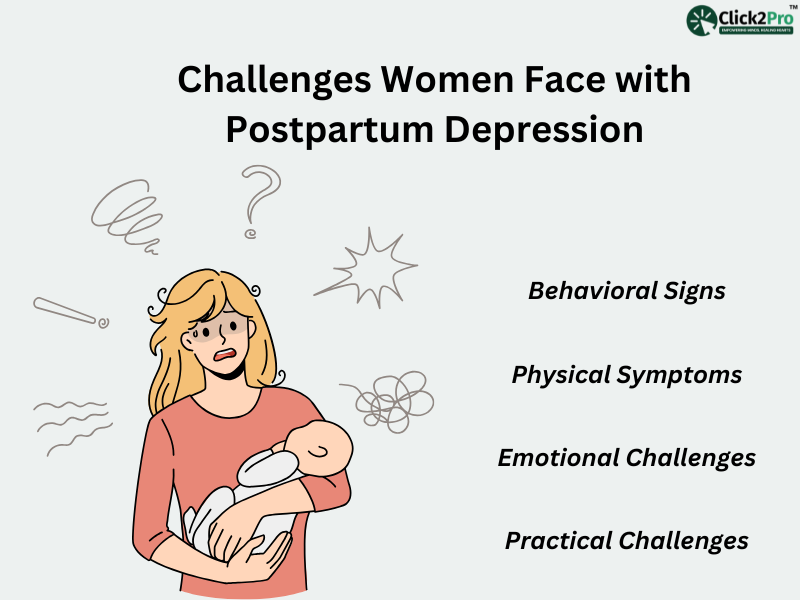
Global and National Prevalence of Postpartum Depression
-
Worldwide: Approximately 10% to 20% of new mothers experience some form of clinical postpartum depression.
-
India: Studies indicate that the prevalence of PPD among Indian mothers ranges from 11% to 26%, depending on various socio-economic and cultural factors.
Factors Contributing to Postpartum Depression
Several factors can increase the risk of developing PPD:
-
Biological Factors: Hormonal changes after childbirth can trigger mood disorders.
-
Psychosocial Factors: Lack of social support, stressful life events, and previous history of depression are significant contributors.
-
Lifestyle Factors: Urban pressures, such as those found in rapidly growing cities like Thane, including traffic congestion and financial stress, can exacerbate mental health challenges.
Click2Pro
Why Early Detection Matters
Impact on Mother and Child:
Untreated postpartum depression can lead to:
-
Long-term mental health issues in the mother.
-
Developmental and emotional delays in the child.
Benefits of Early Intervention:
-
Strengthened mother-child bond.
-
Improved emotional well-being.
Regional Variations in PPD Prevalence
The prevalence of PPD differs across India's regions:
-
Eastern Zone: 19% (95% CI: 16.5–21.5)
-
Western Zone: 18.5% (95% CI: 15–22)
-
Northern Zone: 17.8% (95% CI: 15.3–20.3)
Government and NGO Support for Maternal Mental Health in Thane
Government Initiatives:
-
Pradhan Mantri Matru Vandana Yojana: Financial assistance for pregnant and lactating mothers.
-
Thane Municipal Corporation: Counselling services in select healthcare centers.
NGO Contributions:
-
Organizations like Snehi and Aangan Trust offer mental health awareness and support programs in Maharashtra.
How Click2Pro Supports New Mothers in Thane
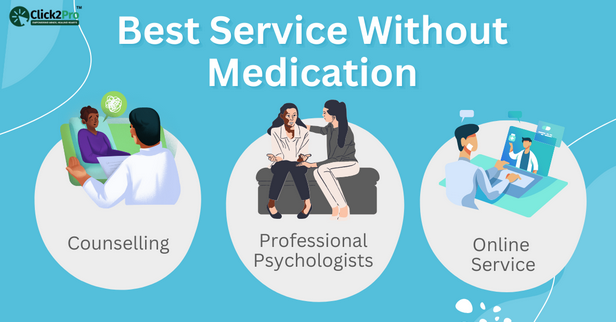
Explore the benefits of online therapy in India with Click2Pro, offering personalized support for postpartum depression from the comfort of your home.
Click2Pro specializes in maternal mental health, offering tailored solutions for postpartum depression:
Services Offered:
-
Online therapy with licensed professionals.
-
Cognitive Behavioral Therapy (CBT) for addressing negative thought patterns.
Localized Support:
-
Accessibility in Ghodbunder Road, Naupada, and Vasant Vihar.
Results and Testimonials:
-
“Click2Pro helped me bond with my baby after weeks of struggle. Their therapists are compassionate and understanding.” – A mother from Majiwada.
-
Looking for compassionate and experienced therapists in Thane? Click2Pro offers personalized support for postpartum depression tailored to new mothers in your area.
Self-Care Strategies for Managing PPD
While professional help is essential, these strategies can complement therapy:
-
Physical Activity: Light exercises or yoga in Thane’s parks like Upvan Lake.
-
Healthy Diet: Eating nutrient-rich foods to boost energy levels.
-
Mindfulness: Practices like meditation to manage stress.
Data Insights and Visual Aids
Table: Symptoms of Baby Blues vs. PPD
|
Symptom |
Baby Blues |
Postpartum Depression |
|
Mood Swings |
Mild and short-lived |
Intense and persistent |
|
Bonding with Baby |
Generally unaffected |
Difficulty bonding |
|
Duration |
1-2 weeks |
Weeks to months |
FAQs
1. What are the main differences between baby blues and postpartum depression?
Baby blues are short-term emotional fluctuations, while PPD lasts longer and severely impacts daily life.
2. How common is postpartum depression in India?
Approximately 22% of Indian mothers experience postpartum depression, with higher rates in urban areas.
3. Can online therapy help with PPD?
Yes, online therapy through platforms like Click2Pro is an effective, accessible option for new mothers.
4. What should I do if I notice symptoms of PPD?
Consult a licensed psychologist or counselor at Click2Pro to discuss your concerns.
Conclusion
Recognizing the early signs of postpartum depression is crucial for new mothers, especially in urban hubs like Thane. By seeking timely help from platforms like Click2Pro and utilizing government and NGO resources, mothers can navigate postpartum challenges effectively. Remember, seeking help is a sign of strength, not weakness.