Table of Contents
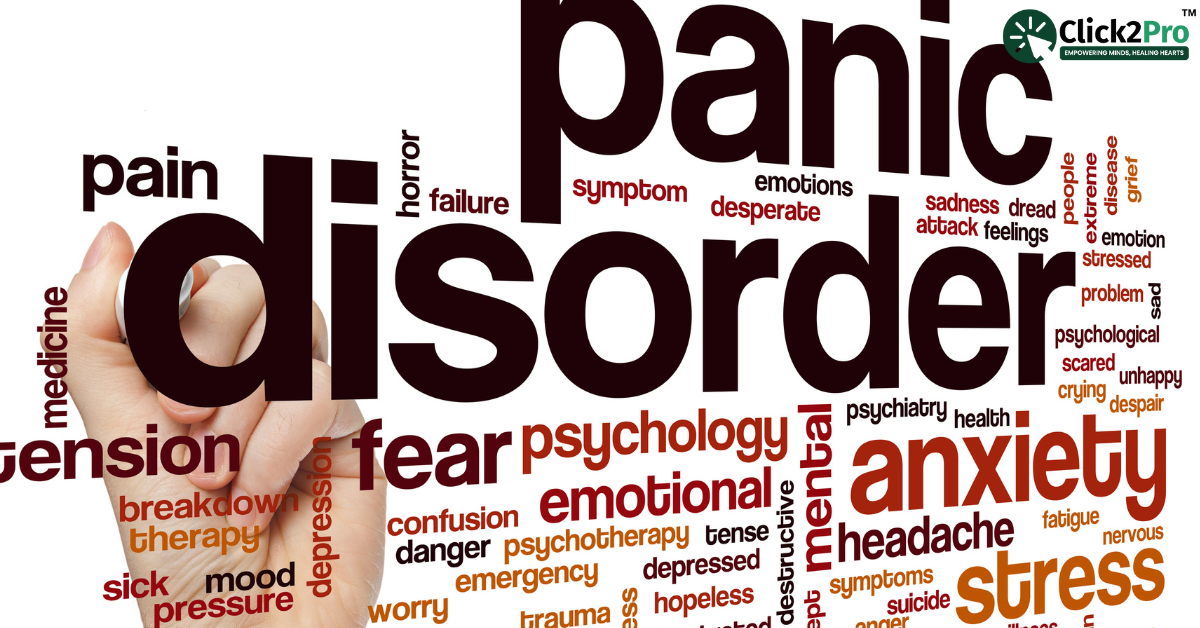
Panic disorder is a mental health condition that manifests through sudden and unexpected panic attacks, characterized by overwhelming fear, physical symptoms like rapid heartbeats, chest pain, and shortness of breath. These panic attacks often occur without a clear trigger and can leave individuals feeling confused, helpless, and terrified of future attacks. If left untreated, panic disorder can significantly impair one’s quality of life. In cities like Noida, where the hustle and fast-paced lifestyle may exacerbate anxiety, understanding therapy and support for panic disorder is crucial for effective treatment and long-term management.
Key Symptoms of Panic Disorder
Panic disorder is marked by frequent, unexpected panic attacks, which come with symptoms such as:
- Racing heart
- Sweating, shaking, or trembling
- Shortness of breath or choking sensations
- Nausea or dizziness
- Fear of losing control or dying
The fear of having another attack may result in avoidance behaviors, leading people to isolate themselves, affecting their social life, relationships, and work.
Causes and Triggers
The exact causes of panic disorder aren’t fully understood, but a combination of genetic, environmental, and physiological factors may contribute to its onset. Stressful life events, major changes, trauma, and chronic stress are common triggers. Additionally, genetic predisposition and an imbalance in neurotransmitters like serotonin can increase vulnerability to panic disorder. In busy urban centers like Noida, environmental stressors such as traffic, noise, and career pressures might exacerbate these triggers for many residents.
Why Therapy is Essential for Managing Panic Disorder
Therapy plays a pivotal role in addressing panic disorder, offering individuals coping mechanisms, emotional support, and strategies to manage the condition. One critical reason therapy is so effective is its long-term focus. Unlike medications, which provide immediate relief, therapy addresses the root causes of panic and equips individuals with tools to handle future attacks. The stigma surrounding seeking mental health care is reducing, especially in cities like Noida, where mental health services like those at Click2Pro are increasingly accessible and offer both in-person and virtual therapy options.
Effective Therapies for Panic Disorder
Cognitive Behavioral Therapy (CBT):
CBT is the gold standard for treating panic disorder. It focuses on identifying and challenging irrational thoughts that contribute to panic attacks. A therapist will help patients recognize the signs of an attack and work through distorted thinking patterns, like catastrophizing (e.g., “I’m going to die”) that often fuel panic attacks. Over time, individuals learn to manage their responses and reduce their anxiety in previously triggering situations.
Exposure Therapy:
This form of therapy helps individuals gradually confront the situations or sensations they fear most. In a controlled environment, patients are exposed to the physical sensations that mimic panic attacks—such as increased heart rate or rapid breathing—until they learn that these sensations are not dangerous.
Acceptance and Commitment Therapy (ACT):
ACT encourages individuals to accept their panic disorder symptoms instead of trying to control them. By shifting focus from eliminating panic attacks to living a meaningful life despite them, ACT fosters resilience. Patients engage in mindfulness exercises that help them observe their thoughts and physical sensations without reacting to them.
Building a Support System
Support systems are critical for recovery from panic disorder. Family members and friends need to be educated about the disorder so they can provide effective emotional and practical support. Support groups, whether in-person or online, can be especially beneficial, allowing individuals to share their experiences and coping strategies with others who understand their struggles.
In Noida, residents can find local mental health groups, including both virtual and physical therapy centers like Click2Pro, that offer specialized support for anxiety and panic disorder. Virtual support platforms can also be an accessible option, particularly for those who may feel uncomfortable attending in-person sessions.
With the growing demand for accessible mental health services, finding a qualified psychologist online in India has become a convenient and effective option for individuals struggling with panic disorder, allowing them to receive support from the comfort of their homes.
Long-Term Coping Strategies
Effective management of panic disorder requires a combination of therapy, lifestyle adjustments, and ongoing support:
- Lifestyle Changes: Regular exercise, healthy eating, and avoiding caffeine and alcohol are proven ways to reduce the likelihood of panic attacks. Establishing a structured daily routine can help minimize anxiety.
- Mindfulness and Relaxation Techniques: Mindfulness practices, such as yoga, deep breathing, and progressive muscle relaxation, have been shown to calm the mind and reduce anxiety.
Managing Relapses: Even with successful therapy, relapses can occur. The key is recognizing early signs of a potential relapse and revisiting therapy or using previously learned coping strategies to prevent escalation.
When to Seek Professional Help
If panic attacks are interfering with your daily life—preventing you from going to work, socializing, or even leaving the house—it’s time to seek professional help. Panic disorder is highly treatable, and no one should have to suffer in silence. In Noida, mental health providers like Click2Pro offer tailored solutions that address the unique needs of urban life while delivering evidence-based therapies.
For residents of Noida, working with the Top Psychologist in Noida ensures that you receive tailored, expert care for panic disorder, with a deep understanding of the unique challenges of urban life in this city.
Conclusion
Panic disorder can be an overwhelming condition, but it is highly treatable with the right combination of therapies, support, and lifestyle changes. Whether it’s through Cognitive Behavioral Therapy, Exposure Therapy, or Acceptance and Commitment Therapy, individuals can learn how to manage their symptoms and regain control of their lives. The stigma surrounding mental health care is lessening, and seeking help should be seen as a step toward empowerment rather than a sign of weakness. With proper guidance and a support network, individuals suffering from panic disorder, especially in bustling cities like Noida, can find peace and balance. At Click2Pro, we’re committed to offering expert care and personalized mental health solutions to help you navigate the challenges of panic disorder and live a fulfilling life.
About the Author
Anupama Mishra is a Senior Psychologist at Click2Pro, with over a decade of experience in treating anxiety disorders, including panic disorder, using evidence-based therapies like CBT and ACT. With a passion for helping individuals overcome mental health challenges, she combines her knowledge with a deep understanding of local cultural and environmental factors. Her work in cities like Noida has provided her with unique insights into the mental health needs of urban populations. Anupama’s approach focuses on empathy, practicality, and long-term management, making her a trusted professional in the mental health space.
FAQs
1. What are the symptoms of panic disorder?
Panic disorder symptoms include sudden episodes of intense fear, often accompanied by physical sensations such as a pounding heart, shortness of breath, dizziness, and a sense of impending doom. These attacks typically come on without warning and may last several minutes.
2. Can panic disorder be cured?
While there is no one-size-fits-all "cure" for panic disorder, it can be managed effectively through therapy, lifestyle changes, and, in some cases, medication. Many people lead full lives with the right support and treatment plan.
3. How long does it take to recover from panic disorder?
Recovery varies from person to person. With consistent therapy like CBT, many individuals begin to see improvements within a few months. Long-term management of the disorder often requires ongoing therapy and lifestyle adjustments.
4. How do I calm myself during a panic attack?
Grounding techniques like deep breathing, focusing on your surroundings, and progressive muscle relaxation can help. Over time, practicing these strategies can reduce the intensity of panic attacks.
5. What triggers panic disorder?
Triggers vary but can include stress, major life changes, or traumatic events. In busy environments like Noida, stressors such as traffic congestion or work pressure may contribute to panic attacks.