Table of Contents
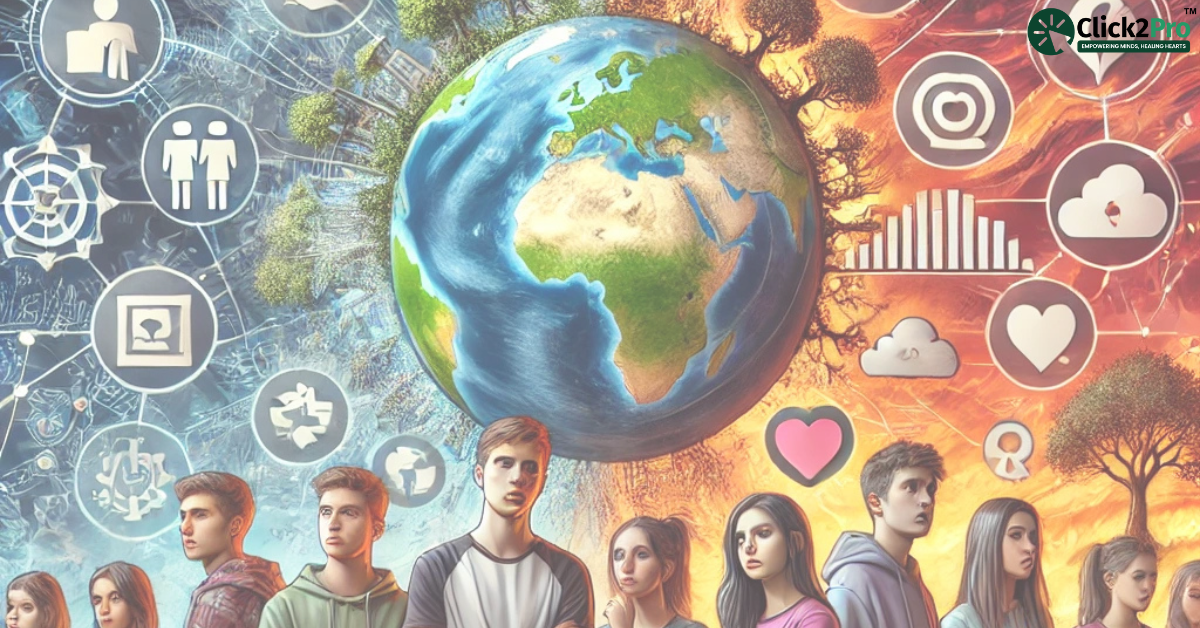
In today’s fast-paced world, young people face unprecedented global challenges, from climate change to pandemics, economic instability, and social media influence. These global events have profound effects on their mental health, contributing to rising levels of anxiety, depression, and social isolation. Understanding these impacts and building resilience is crucial for navigating this complex landscape. This blog explores the mental health effects of these challenges on youth and provides strategies to foster resilience.
Global Challenges and Their Impact on Mental Health
Youth are particularly vulnerable to the psychological effects of global crises. The rapid pace of change—whether environmental, social, or economic—creates a sense of uncertainty, often leading to stress, anxiety, and feelings of helplessness. According to WHO, nearly one in seven adolescents experience a mental health condition, with depression, anxiety, and behavioral disorders being the most prevalent.
Global crises, such as climate change, have introduced new terms like eco-anxiety, which reflects the fear and distress young people feel about environmental degradation. Moreover, the economic downturns and the uncertainties brought by pandemics such as COVID-19 have left many young people worrying about their futures, further amplifying stress
Social media, while connecting youth globally, also exacerbates these feelings, often exposing them to negative news and comparisons that lead to insecurity and self-doubt.
How Global Challenges Manifest in Mental Health Issues
Young people today face an increased risk of mental health issues stemming from these global challenges. Key mental health concerns include:
- Anxiety and Depression: Chronic exposure to negative news cycles and uncertainty can lead to feelings of hopelessness and chronic anxiety. Many young people report feeling overwhelmed by the state of the world, with few clear pathways forward.
- Social Isolation: The pandemic showed us the devastating impact of social isolation on youth mental health. Digital connections often fail to replace the emotional support that comes from face-to-face interaction.
- Eco-Anxiety: Climate change has led to a rise in eco-anxiety, where young people feel a sense of impending doom about the future of the planet. This constant fear can lead to feelings of helplessness and exacerbate mental health conditions.
For young people facing mental health challenges, accessing the best counselling online can provide vital support. Online counselling services offer the flexibility and accessibility that many youths need, especially in times of global uncertainty.
Building Resilience: Practical Strategies
Despite these challenges, young people can develop resilience—a critical skill that enables them to adapt, cope, and thrive in difficult circumstances. Resilience is not about avoiding stress but learning how to deal with it effectively. Here are some key strategies to build resilience:
Mindfulness and Emotional Regulation: Mindfulness techniques such as meditation, breathing exercises, and mindful journaling can help young people manage their stress. These practices encourage focusing on the present moment and regulating emotional responses, which is especially helpful during times of crisis.
Cognitive Behavioral Therapy (CBT): CBT helps reframe negative thought patterns that often accompany anxiety and depression. For young people struggling with global challenges, CBT can foster healthier ways of thinking, helping them regain control over their emotions.
Social Connections: Strong social connections are vital for mental well-being. Engaging in community activities, joining support groups, or even participating in online communities can provide much-needed emotional support and reduce feelings of isolation.
Empowerment through Action: Encouraging young people to get involved in causes they care about—such as environmental activism or community service—can give them a sense of purpose. Taking proactive steps, no matter how small, can reduce feelings of helplessness and build confidence.
Role of Schools and Institutions in Supporting Youth Mental Health
Schools and institutions play a vital role in fostering resilience in young people. They can offer access to mental health resources, provide safe spaces for open discussion, and integrate mental health education into the curriculum. Schools are also in a unique position to identify early signs of mental health issues and offer early interventions that can prevent long-term effects
For instance, some schools have begun implementing mindfulness programs to help students manage stress. Others have increased access to counselors and mental health workshops, helping students navigate the pressures of global challenges.
Recognizing the Early Signs of Mental Health Struggles
Parents, teachers, and peers must be vigilant in recognizing early signs of mental health issues in young people. These signs can include:
- Withdrawal from social activities
- Sudden changes in behavior or academic performance
- Persistent feelings of sadness or hopelessness
- Increased irritability or outbursts
Early recognition and intervention are crucial for preventing more severe mental health conditions from developing. Encouraging open dialogue and reducing the stigma around mental health can make it easier for young people to seek help
Conclusion
The mental health effects of global challenges on young people are undeniable. However, by building resilience, they can learn to cope with uncertainty and adversity. Whether through mindfulness, strong social connections, or institutional support, resilience is key to navigating a world filled with global challenges. It's essential that we continue to empower young people with the tools they need to not just survive but thrive in the face of adversity.
FAQs
-
How do global challenges like climate change affect youth mental health?
Global challenges such as climate change introduce unique stressors for young people, leading to conditions like eco-anxiety, where they feel an overwhelming fear about the future of the planet. This can result in chronic stress and feelings of helplessness.
-
What are some common mental health issues young people face due to global crises?
Anxiety, depression, and social isolation are among the most common issues. Constant exposure to news about global crises, combined with personal uncertainty, heightens these conditions.
-
How can young people build resilience to cope with global challenges?
Building resilience involves adopting strategies like mindfulness, CBT, and maintaining strong social connections. It also helps to participate in community activities, which can empower youth to feel more in control.
-
What role do schools play in supporting mental health in young people?
Schools can support mental health by integrating mental health education, providing access to counselors, and creating safe spaces for students to express their concerns.
-
Why is it important to address mental health issues in young people early?
Early intervention is critical because untreated mental health issues can carry into adulthood, leading to more severe mental health conditions later in life.
About the Author
Sanjeevini S Dixit is a Senior Psychologist at Click2Pro with extensive experience in mental health counselling. She specializes in helping young people cope with anxiety, depression, and other mental health challenges through evidence-based techniques like Cognitive Behavioral Therapy (CBT) and mindfulness. Sanjeevini is dedicated to making mental health support accessible through online counselling platforms and regularly contributes expert insights to Click2Pro's resources.