Table of Contents
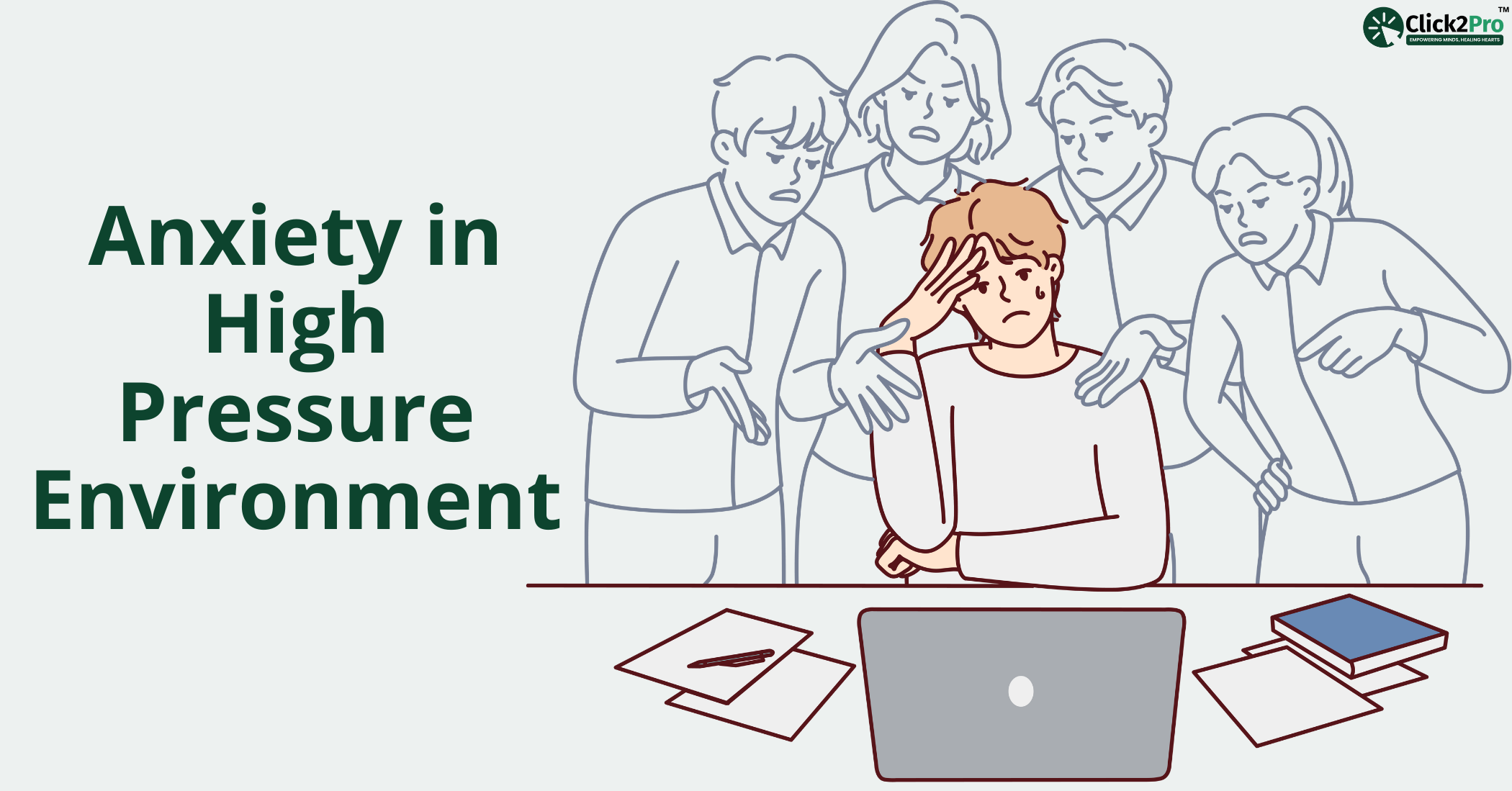
Workplace anxiety and stress are pervasive challenges in today’s fast-paced world, affecting professionals across industries and regions. In India, and specifically in areas like Kra Daadi, traditional values intersect with modern work dynamics, creating unique stressors for employees. Studies reveal that 76% of Indian workers report stress affecting their productivity, with 49% struggling to manage their mental health effectively.
Unrealistic deadlines, technological overload, and interpersonal conflicts are just a few triggers that impact well-being. However, effective strategies rooted in science, community support, and government resources can help individuals manage work stress while boosting productivity.
Featured Snippet Ready: "Workplace stress affects 76% of Indian professionals. Implementing mindfulness, time management, and therapy can significantly improve well-being and productivity."
A recent workplace survey revealed that 86% of Indian employees feel they are either "struggling" or "suffering" in their current roles, underscoring the pressing issue of workplace stress and its widespread impact.
Why Managing Work Anxiety is Important in Our Life
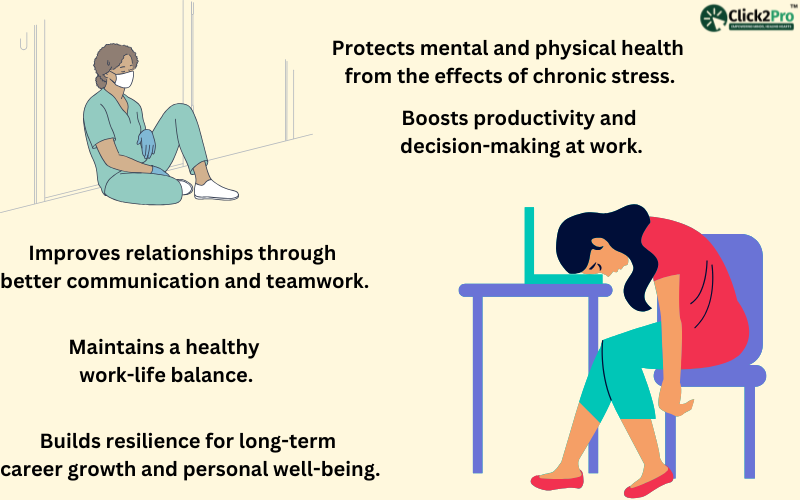
Work anxiety is more than just a fleeting feeling of stress or pressure—it is a condition that can significantly impact various aspects of our lives. Addressing work anxiety is essential for maintaining not only our professional performance but also our overall well-being. Here’s why managing work anxiety should be a priority in everyone’s life:
Protects Health: Prevents issues like anxiety, depression, and physical ailments caused by chronic stress.
Boosts Productivity: Improves focus, decision-making, and efficiency at work.
Strengthens Relationships: Reduces irritability, fostering better teamwork and communication.
Maintains Work-Life Balance: Keeps stress from spilling into personal life, ensuring happiness.
Prevents Burnout: Helps sustain energy, motivation, and career satisfaction.
Builds Resilience: Enhances adaptability and decision-making during challenges.
Ensures Career Growth: Reduces fear and self-doubt, enabling innovation and risk-taking.
Enhances Life Satisfaction: Promotes a sense of control and overall happiness.
Mental Health Status of Kra Daadi and India
Local Insights
-
Kra Daadi’s workforce, comprising educators, government officials, and entrepreneurs, faces stress from balancing traditional community expectations with modern work responsibilities.
-
Mental health remains stigmatized in rural areas, with limited awareness about resources.
National Trends
-
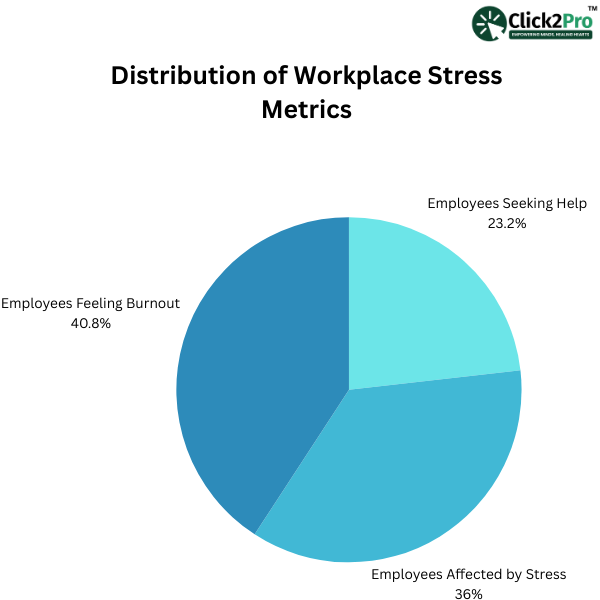
According to a 2023 Deloitte report, 77% of Indian employees experience burnout, and 86% report feeling "struggling" or "suffering" in their jobs.
-
WHO reports suggest that India bears 15% of the global mental health burden.
Government Resources and NGO Actions
Government Programs
-
National Mental Health Programme (NMHP):
-
Offers community-based mental health support, including stress counseling.
-
Covers 716 districts under the District Mental Health Programme (DMHP).
-
National Tele Mental Health Programme (NTMHP):
-
Provides free access to licensed counselors via telehealth.
NGOs in Action
-
Vandrevala Foundation: Operates crisis helplines for emotional support.
-
Tata Trusts: Community-based initiatives to address workplace anxiety.
Triggers of Workplace Stress
Common Stressors
-
Unrealistic Expectations:
-
Overwhelming workloads and tight deadlines.
-
Technological Overload:
-
The “always-on” culture is driven by emails and notifications.
-
Internal Pressures:
-
Perfectionism and fear of failure.
Regional Stressors
-
Government employees in Kra Daadi report anxiety due to balancing community welfare programs and bureaucratic demands.
Globally, 65% of employees report that stress negatively impacts their productivity and work performance, showcasing the universal nature of workplace anxiety and its challenges.
How to Overcome Workload Stress
Prioritize Tasks: Use tools like to-do lists or the Eisenhower Matrix to focus on important and urgent tasks.
Set Realistic Goals: Break large projects into smaller, manageable tasks.
Delegate Responsibilities: Share tasks with teammates to reduce your load.
Practice Time Management: Use techniques like the Pomodoro Technique to boost productivity.
Communicate: Discuss workload concerns with your manager and suggest adjustments.
Relieve Stress: Incorporate deep breathing, mindfulness, or yoga into your routine.
Set Boundaries: Stick to work hours and avoid after-hours tasks.
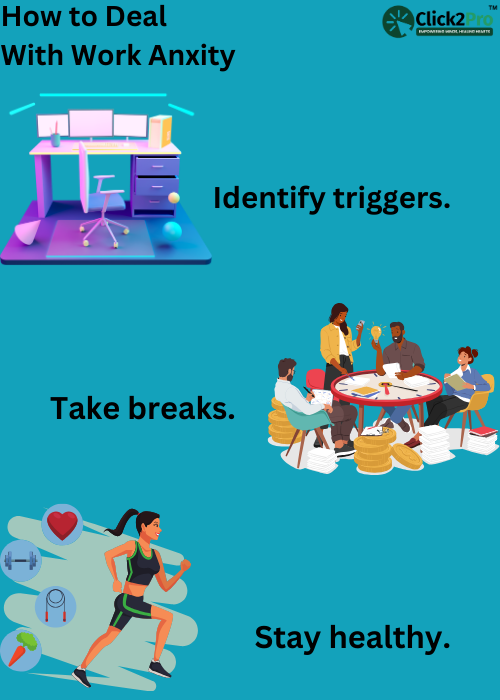
Adopt a Healthy Lifestyle: Exercise regularly, eat a balanced diet, and prioritize sleep.
Reflect and Reassess: Periodically evaluate your workload and celebrate small achievements.
Focus on these strategies to manage workload stress effectively and improve your work-life balance.
Scientific and Research-Based Insights
-
Karasek’s Demand-Control Model: Explains how high job demands with low control lead to stress.
-
Lazarus’ Stress Coping Theory: Emphasizes how perception shapes stress and coping mechanisms.
Immediate Coping Mechanisms
-
Grounding Exercises:
-
The 5-4-3-2-1 technique to regain focus on the present.
-
Deep Breathing:
-
Lowers cortisol levels and promotes relaxation.
-
Short Breaks:
-
Five-minute walks or stretches improve mood and focus.
Featured Snippet Ready: "Use the 5-4-3-2-1 grounding technique, deep breathing, and short breaks for immediate stress relief at work."
Long-Term Strategies for Resilience
-
Mindfulness Practices:
-
Regular meditation reduces anxiety and improves focus.
-
Apps like Calm and Headspace are recommended.
-
Time Management:
-
Set clear boundaries, such as “no-email zones” during personal time.
-
Journaling:
-
Writing down stressors declutters the mind and provides emotional clarity.
Role of Employers in Reducing Stress
-
Flexible Work Models:
-
Hybrid arrangements promote autonomy and reduce stress.
-
Mental Health Awareness:
-
Training programs to destigmatize anxiety and stress.
-
Employee Assistance Programs (EAPs):
-
Free counseling services for staff.
Lifestyle Adjustments for Stress Management
-
Nutrition:
-
Foods like spinach, nuts, and salmon lower cortisol levels.
-
Herbal teas like ashwagandha boost relaxation.
-
Exercise:
-
30 minutes of yoga or walking enhances mood by releasing endorphins.
-
Sleep Hygiene:
-
Maintain a consistent sleep routine and minimize screen time before bed.
Service Report: Click2Pro in Kra Daadi and India
Local Impact:
-
Case Study: Arun, a government worker in Kra Daadi, overcame severe anxiety attacks with therapy and journaling through Click2Pro.
National Reach:
-
Click2Pro has helped thousands across India with tailored CBT therapy, accessible via telehealth.
Click2Pro connects you with the best psychologist in India online, ensuring convenience and high-quality mental health care. Whether you're based in Kra Daadi or searching for a therapist near me, tailored CBT therapy is just a click away.
Comparison: Daily Life and Mental Health
-
Urban vs. Rural:
-
Urban workers face technological overload, while rural professionals, like those in Kra Daadi, struggle with limited resources.
-
India vs. Global:
-
Globally, 30% of employees report stress, compared to 77% in India, indicating a need for culturally sensitive interventions.
Future Trends in Stress Management
-
AI Wellness Tools:
-
Apps with real-time mood tracking and personalized mental health tips.
-
Digital Detox Initiatives:
-
Encouraging screen-free time to recharge.
-
Customized Programs:
-
Tailored interventions like career counseling and workload redistribution.
Conclusion
Work anxiety is a universal challenge requiring a multi-pronged approach involving individual efforts, organizational changes, and societal initiatives. In Kra Daadi and across India, leveraging resources like Click2Pro, government programs, and evidence-based strategies can transform the way we handle workplace stress. By taking proactive steps, we can create healthier and more productive work environments.
Workplace anxiety requires proactive steps, including seeking expert help. By connecting with the best psychologist in India online or finding a therapist near me, you can start your journey to better mental well-being and professional success.
FAQs
-
What are effective ways to relieve work stress?
Grounding techniques, breathing exercises, and journaling can help.
-
What government resources support mental health?
Programs like NMHP and NTMHP offer free counseling services.
-
What foods reduce stress?
Spinach, nuts, and omega-3-rich foods like salmon are effective.
-
How does therapy help with workplace anxiety?
Therapists provide structured strategies, such as CBT, to manage triggers.
-
How can employers reduce workplace stress?
Flexible work models, mental health awareness programs, and EAPs can make a significant difference.