Table of Contents
- Key Differences Between Major Depressive Disorder and Persistent Depressive Disorder
- Symptoms: Major Depressive Disorder vs Persistent Depressive Disorder
- Can You Have Both? The Reality of Double Depression
- Daily Impact: How MDD and PDD Affect Life in Jaipur
- Treatment and Therapy Options in Jaipur
- Finding Help in Jaipur: When to Seek Professional Support
- Conclusion
- About the Author
- FAQs
Depression can take many forms, but two of the most widely recognized types are Major Depressive Disorder (MDD) and Persistent Depressive Disorder (PDD), also known as dysthymia. Both conditions impact millions worldwide and have distinct characteristics that shape their diagnosis and treatment. In Jaipur, with its bustling streets and modern urban challenges, understanding these forms of depression can help residents seek appropriate mental health care. This blog will explore how MDD and PDD differ, their symptoms, and how to get the right help in a city like Jaipur.
Key Differences Between Major Depressive Disorder and Persistent Depressive Disorder
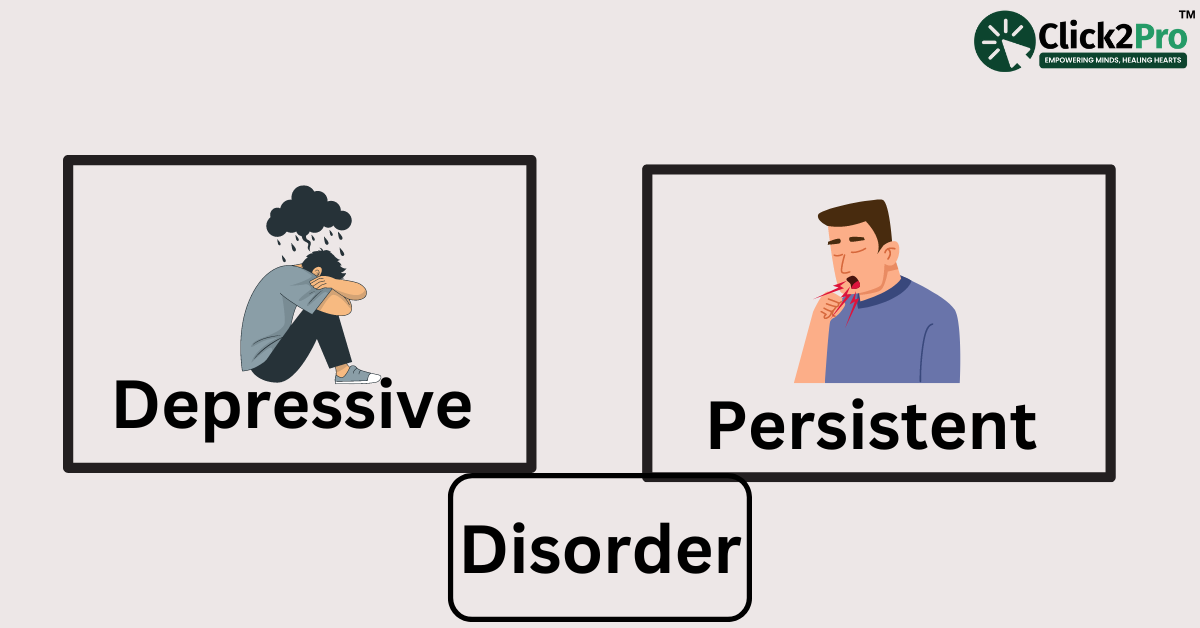
The primary difference between MDD and PDD lies in intensity and duration. Major Depressive Disorder typically presents with severe symptoms, such as overwhelming sadness, loss of interest in activities, and even suicidal thoughts, that can last for weeks or months. These episodes are often acute, significantly affecting a person’s ability to function.
On the other hand, Persistent Depressive Disorder is more chronic. While the symptoms of PDD are less intense than those of MDD, they persist for a longer period—two years or more. This leads to a constant feeling of low mood, fatigue, and hopelessness, which often becomes a part of daily life. PDD sufferers may not experience the sharp intensity of MDD, but they live with a continuous, lingering form of depression that still affects their relationships, work, and general well-being.
Living in a fast-paced city like Jaipur, where daily stressors and expectations are high, can exacerbate both MDD and PDD. The constant noise, traffic, and the pressures of keeping up with work and family commitments might trigger episodes of MDD or prolong the symptoms of PDD. This makes recognizing the difference between these disorders vital in seeking timely and appropriate care.
Symptoms: Major Depressive Disorder vs Persistent Depressive Disorder
While MDD and PDD share some common symptoms, the degree to which these symptoms appear sets them apart.
Major Depressive Disorder Symptoms:
- Intense sadness that doesn’t seem to go away
- Loss of interest or pleasure in activities once enjoyed
- Fatigue or lack of energy, even with small tasks
- Feelings of worthlessness or excessive guilt
- Difficulty concentrating or making decisions
- Sleep disturbances: insomnia or sleeping too much
- Suicidal thoughts or attempts
These symptoms in MDD often come in episodes, meaning a person might feel well in between but experience relapses. Jaipur's cultural and social expectations, such as meeting family obligations or achieving career milestones, can sometimes act as triggers for these depressive episodes.
Persistent Depressive Disorder Symptoms:
- Low self-esteem or chronic feelings of inadequacy
- Consistent fatigue, even without intense physical activity
- Hopelessness that lasts for years
- Difficulty making decisions or concentrating
- General disinterest in life’s activities
Because the symptoms of PDD are less pronounced, they are often harder to recognize, both by the individual and those around them. Many individuals in Jaipur may live with PDD for years, adapting to the condition and thinking it’s just part of their personality or daily stress. However, the cumulative effect of living with such symptoms can deeply impact life satisfaction and productivity.
Can You Have Both? The Reality of Double Depression
In some cases, a person may experience both MDD and PDD. This condition, known as double depression, occurs when someone with PDD experiences an acute episode of MDD on top of their chronic depression. Imagine carrying a heavy burden for years and then suddenly having even more weight added to it. Double depression can feel particularly overwhelming and may require a more complex treatment approach.
Studies show that people with double depression often have more difficulty recovering because the underlying persistent depression (PDD) remains after the acute MDD episode subsides. This highlights the need for early diagnosis and continuous treatment, particularly in cities like Jaipur, where the pressures of daily life can compound the challenges of managing mental health.
Daily Impact: How MDD and PDD Affect Life in Jaipur
For those suffering from MDD, daily life may become paralyzing during depressive episodes. Work may be neglected, social obligations ignored, and family responsibilities unmet. The intensity of these episodes can sometimes lead to hospitalization, especially if suicidal thoughts become prominent. In a fast-growing city like Jaipur, where professional competition and family ties are strong, the isolation caused by MDD can lead to feelings of deep despair.
PDD, while not as intense, can still take a significant toll. The persistent nature of PDD means that people often function—going to work, interacting with others—but do so without joy or enthusiasm. Their productivity may suffer over time, and they may withdraw from social interactions, missing out on the vibrancy that Jaipur offers. Over time, this can lead to burnout, especially in high-pressure environments like Jaipur’s competitive workforce.
Treatment and Therapy Options in Jaipur
Both MDD and PDD require professional treatment, though the approaches may vary. For MDD, treatment often begins with medication, such as antidepressants, combined with psychotherapy like Cognitive Behavioral Therapy (CBT). In severe cases, hospitalization or more intensive treatments such as electroconvulsive therapy (ECT) may be necessary.
For PDD, the focus is often on long-term therapy. Individuals may benefit from continuous therapy sessions that focus on improving day-to-day functionality and gradually lifting the chronic depressive symptoms. Lifestyle changes—like regular exercise, proper sleep habits, and stress management—play a crucial role in the long-term management of PDD. In Jaipur, many individuals are turning to online therapy platforms like those offered by Click2Pro to get accessible and flexible care tailored to their needs.
Jaipur’s mental health resources, including therapists and clinical psychologists, are equipped to handle both MDD and PDD. Whether through in-person consultations or virtual therapy, residents can find professionals who understand the local cultural and societal pressures that may contribute to or exacerbate these conditions.
For those looking for flexible treatment options, online therapy in India has become increasingly popular, offering residents of Jaipur access to professional help without the need for in-person appointments.
Finding Help in Jaipur: When to Seek Professional Support
If you or someone you know in Jaipur has been experiencing depressive symptoms for weeks (in the case of MDD) or for years (in the case of PDD), it’s essential to seek professional support. Mental health services in Jaipur are becoming more accessible, with organizations like Click2Pro offering personalized therapy that addresses both the clinical and cultural aspects of depression.
In a city as dynamic as Jaipur, recognizing the signs of depression is critical. The sooner individuals receive treatment, the better their outcomes. Therapy, lifestyle adjustments, and If you are experiencing symptoms of depression, consulting with the best psychologist counsellor in Jaipur can be the first step toward recovery, as they understand the local cultural and societal factors contributing to mental health challenges.
Conclusion
In Jaipur's fast-paced environment, where the pressures of daily life can sometimes feel overwhelming, understanding the differences between Major Depressive Disorder and Persistent Depressive Disorder is crucial. Both conditions can significantly impact one’s quality of life, but the key lies in recognizing the symptoms and seeking the right treatment. Whether you or a loved one are dealing with intense, episodic depression like MDD or the long-lasting effects of PDD, professional help can offer pathways to recovery. Jaipur is home to a growing network of mental health professionals, including Click2Pro, where personalized care is available. Taking that first step toward therapy can be life-changing, bringing back the joy and fulfillment you deserve.
About the Author
Rashi Jain is a Senior Psychologist at Click2Pro with extensive experience in treating depression and anxiety disorders. Specializing in Cognitive Behavioral Therapy (CBT) and Emotion Regulation Therapy (ERT), Rashi has worked with numerous individuals in Jaipur, helping them manage mental health challenges within the context of the city’s unique social and environmental dynamics. With a passion for making mental health care accessible to all, Rashi continues to advocate for better awareness and early intervention for mental health issues. She believes that tailored therapy, combined with community understanding, can make a significant difference in the lives of those struggling with depression.
FAQs
-
What is the main difference between Major Depressive Disorder and Persistent Depressive Disorder?
Major Depressive Disorder is characterized by intense depressive episodes that last for a shorter period, while Persistent Depressive Disorder involves milder, long-lasting symptoms that can persist for years.
-
Can someone have both Major Depressive Disorder and Persistent Depressive Disorder?
Yes, it's possible to experience both, known as "double depression," where chronic PDD is present along with episodic MDD.
-
Which type of depression is more severe?
MDD tends to be more severe due to its intense symptoms, while PDD is milder but can have a greater long-term impact on quality of life due to its chronic nature.
-
How is Persistent Depressive Disorder treated?
PDD is treated with long-term therapy, often combined with antidepressants, and focuses on improving daily functioning over time.
-
Is depression common in cities like Jaipur?
Yes, both MDD and PDD are prevalent in urban environments like Jaipur due to high stress levels, professional pressures, and lifestyle factors.