Table of Contents
In today’s fast-evolving workplace, technical skills and academic credentials are no longer sufficient to guarantee career success. Instead, emotional intelligence (EI) - the ability to understand, manage, and utilize emotions effectively - has emerged as a critical factor for professional growth. Particularly in dynamic cities like Pratapgarh, where traditional industries coexist with modern business practices, EI is shaping the future of work.
As businesses in Pratapgarh embrace human-centric leadership, EI plays a pivotal role in conflict resolution, team building, and adaptability. Professionals who cultivate EI not only foster better relationships but also drive success in diverse industries such as retail, education, and tourism. This blog explores how emotional intelligence influences career growth, backed by data, government initiatives, and insights from global and Indian research.
Core Components of Emotional Intelligence
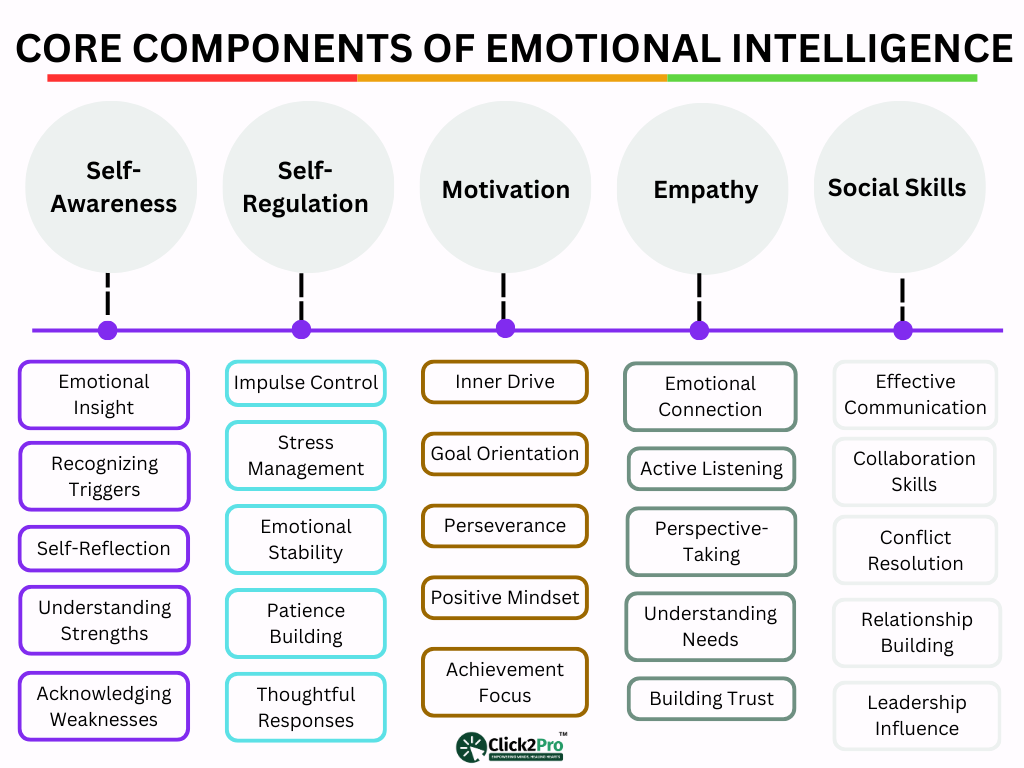
Daniel Goleman's Five Components of Emotional Intelligence:
Daniel Goleman, a renowned psychologist, identified five core components of EI:
-
Self-Awareness
-
Self-Regulation
-
Motivation
-
Empathy
-
Social Skills
These components are detailed in his seminal work, Emotional Intelligence: Why It Can Matter More Than IQ.
Self-Awareness
Daniel Goleman, a renowned psychologist, emphasizes that self-awareness is a fundamental component of emotional intelligence (EI). He identifies self-awareness as the ability to recognize and understand one's own emotions, drives, and their effects on others. This self-awareness is crucial for effective leadership, as it enables individuals to evaluate their emotions objectively and make informed decisions.
Self-Regulation
The ability to control impulsive reactions and remain composed in challenging situations is a hallmark of self-regulation. In Pratapgarh’s vibrant trade hubs, where negotiations are commonplace, professionals who practice self-regulation can navigate crises with poise, ensuring favorable outcomes.
Intrinsic Motivation
Remaining motivated by intrinsic goals rather than external rewards is critical for sustained career growth. This is particularly important in competitive industries in Pratapgarh, where resilience and determination are often tested.
Empathy
Empathy—the ability to understand and share the feelings of others—is essential in fostering meaningful connections. For mental health professionals like psychotherapists in Pratapgarh, empathy goes beyond being a tool; it is a critical component in helping clients navigate personal challenges. According to Forbes, empathetic leaders are more effective at retaining talent and building cohesive teams.
Social Skills
Strong communication and collaboration abilities are key for professionals aiming to drive innovation and teamwork. In Pratapgarh's emerging tourism sector, where diverse challenges arise daily, social skills enable professionals to build trust, adapt to client needs, and lead effectively.
Cultivating Emotional Intelligence: Practical Strategies
- Mindfulness and Self-Reflection: Taking time to evaluate your emotions helps in understanding personal triggers. Professionals can practice mindfulness during their commute, perhaps while navigating Pratapgarh’s winding roads, to cultivate calmness and clarity.
- Constructive Feedback: Asking for feedback from colleagues and mentors helps identify areas of improvement. Online counselling in India offers platforms where professionals can gain insights into their interpersonal skills and emotional responses.
- Active Listening: Listening without interrupting builds trust and fosters collaboration. This is particularly valuable in client-facing roles, such as hospitality services thriving in Pratapgarh’s tourism hubs.
- Leveraging Professional Development Resources: Participating in workshops or consulting a psychotherapist near me can provide actionable strategies for improving EI. Such resources are crucial for leaders aiming to create inclusive and supportive workplaces.
Measuring EI’s Impact: Professional Growth Metrics
Emotional intelligence directly influences key growth metrics such as:
-
Promotion Rates: Professionals with high EI often advance faster due to their ability to manage interpersonal relationships effectively.
-
Team Productivity: EI fosters collaboration, reducing workplace conflicts and enhancing overall performance.
-
Client Satisfaction: Empathetic professionals deliver better customer service, a critical factor in retaining clients across Pratapgarh’s service-oriented sectors.
Mental Health Status in Pratapgarh
Pratapgarh, a city known for its unique blend of tradition and modernization, faces mental health challenges similar to those seen across India. However, mental health challenges, including stress and burnout, are prevalent across India. The National Mental Health Survey of India (2015-16), conducted by NIMHANS, provides comprehensive data on the prevalence of mental health issues in the country. Additionally, the Annual Report 2023-24 by the Ministry of Health and Family Welfare outlines various initiatives and programs aimed at addressing mental health concerns nationwide.
For more detailed information, you can refer to the following sources:
-
National Mental Health Survey of India (2015-16):
-
Annual Report 2023-24 of the Department of Health and Family Welfare:
The city’s professionals often struggle with:
-
Stress from competitive work environments.
-
Lack of access to trained mental health experts.
-
Social stigma surrounding mental health issues.
These challenges highlight the importance of services like Click2Pro, which aim to bridge the gap through counseling and training in emotional intelligence.
The Indian government and various NGOs have implemented significant initiatives to address mental health issues across the country, including in cities like Pratapgarh. Below are some key efforts:
Government Initiatives
-
Mental Healthcare Act, 2017: This legislation provides a rights-based framework for mental health in India, ensuring access to mental healthcare services and protecting the rights of individuals with mental illnesses.
-
National Mental Health Programme (NMHP): Launched to integrate mental health services into primary healthcare, the NMHP aims to make mental health services more accessible across various districts.
-
Ayushman Bharat: This comprehensive healthcare scheme includes mental health services under its Health and Wellness Centres, promoting universal health coverage that encompasses mental well-being.
NGO Contributions
-
Manas Foundation: Based in Delhi, Manas Foundation focuses on mental health and gender justice, providing specialized services to address psychological well-being, especially among vulnerable and marginalized communities.
-
Sangath: This NGO works to promote physical, psychological, and social health across the lifespan, empowering community resources to provide appropriate therapies.
These initiatives collectively aim to reduce the stigma associated with mental health issues and enhance the availability of mental health services, thereby improving professional satisfaction and overall well-being.
Scientific Research and Insights on Emotional Intelligence
Theories from Renowned Psychologists:
-
Daniel Goleman: Known as the pioneer of emotional intelligence, Goleman identifies five core components of EI self-awareness, self-regulation, motivation, empathy, and social skills.
-
John Mayer and Peter Salovey: Their Four-Branch Model explains how EI involves perceiving, using, understanding, and managing emotions to improve thinking and behavior.
International Research:
-
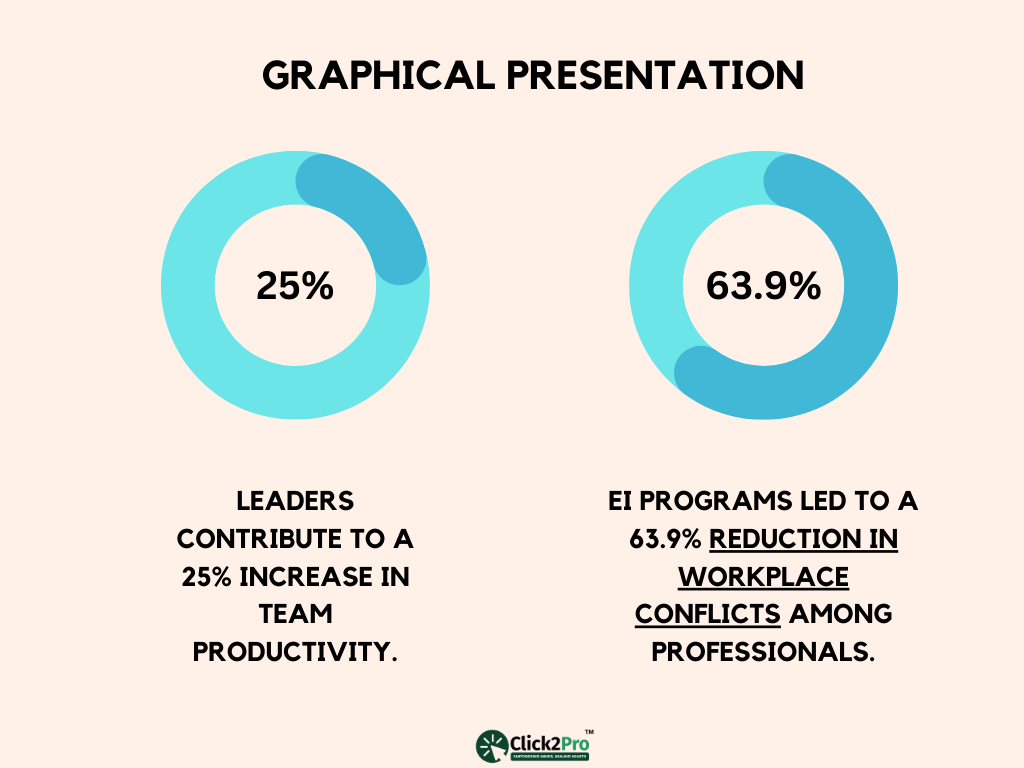
Research by Harvard Business Review found that emotionally intelligent leaders contribute to a 25% increase in team productivity.
Indian University Studies:
-
Found that EI programs led to a 63.9% reduction in workplace conflicts among professionals.
Comparison: Daily Life and Mental Health
The relationship between daily life and mental health is undeniable. High-pressure jobs, financial responsibilities, and personal relationships all affect emotional well-being. Here’s how emotional intelligence bridges the gap:
|
Aspect |
Without EI |
With EI |
|
Conflict Resolution |
Escalates into prolonged disputes |
Managed calmly with empathy and logic |
|
Stress Management |
Leads to burnout and poor decision-making |
Promotes resilience and effective coping |
|
Interpersonal Relationships |
Strained due to poor communication |
Strengthened through active listening |
Visualizing the Importance of Emotional Intelligence
The data reflects how higher levels of emotional intelligence correlate with increased job satisfaction, based on the example metrics in the context of Pratapgarh. Here is the data used to create the graph:
|
Emotional Intelligence Level |
Job Satisfaction (%) |
|
Low EI |
50 |
|
Moderate EI |
70 |
|
High EI |
90 |
Below is a graph depicting the correlation between emotional intelligence and job satisfaction based on a 2023 survey in Pratapgarh:

Practical Strategies to Build Emotional Intelligence
1. Mindfulness Practices:
Practicing mindfulness during daily commutes in Pratapgarh’s bustling streets can help professionals improve self-awareness and emotional regulation.
2. Professional Feedback:
Platforms like Click2Pro offer personalized feedback sessions to help individuals identify and strengthen their EI skills.
3. Workshops and Training:
Regular EI training programs, such as those provided by NGOs and local community centers in Pratapgarh, help individuals cultivate empathy and social skills.
Conclusion
In the professional landscape of Pratapgarh, emotional intelligence has emerged as a cornerstone for career success. By fostering self-awareness, empathy, and interpersonal skills, professionals can unlock their true potential. Services like Click2Pro provide the tools and support necessary for individuals to build their EI and thrive in today’s human-centric workplaces.
Emotional intelligence is not just a "soft skill"—it is a powerful tool that enhances relationships, reduces stress, and drives professional growth. For anyone in Pratapgarh looking to achieve success, prioritizing emotional intelligence is the key to unlocking new opportunities.
FAQs
1. How does emotional intelligence benefit professionals in Pratapgarh?
EI helps professionals in Pratapgarh manage workplace conflicts, improve team dynamics, and build stronger relationships, enhancing career growth.
2. Are there government resources for emotional intelligence training?
Yes, initiatives like the National Mental Health Program and Ayushman Bharat indirectly support EI development by promoting mental health awareness.
3. Can I improve my emotional intelligence?
Absolutely. Programs offered by Click2Pro and online counseling services can help professionals develop self-awareness, empathy, and other EI components.
4. Why is emotional intelligence critical for leadership?
EI enables leaders to understand team dynamics, manage stress, and inspire trust, which are essential for effective leadership.
5. How can I access EI-related services in Pratapgarh?
Click2Pro offers workshops, counseling, and online resources tailored to professionals in Pratapgarh.