
Table of Contents
A positive work attitude is essential for both personal and professional success. Whether you’re aiming for career growth, improved teamwork, or better job satisfaction, cultivating the right mindset is key. In today's competitive work environment, fostering a positive mindset in the workplace helps not only in your daily interactions but also in long-term career success. Developing this outlook can improve productivity, reduce stress, and create a more harmonious work environment. This blog explores strategies for cultivating a positive work attitude and how it contributes to personal growth, offering practical tips based on expert knowledge and research.
Why is a Positive Work Attitude Important?
A positive work attitude reflects your overall approach to work, and it is directly linked to career advancement, job satisfaction, and productivity. Maintaining a positive attitude at work doesn’t just benefit the individual but also positively influences team dynamics and workplace culture. Whether you’re striving for leadership or just starting your career, your attitude can make a significant difference in your journey toward success.
Benefits of a Positive Work Attitude:
Increased productivity: Studies show that employees with a positive mindset are more productive.
Improved teamwork: Positive attitudes foster better communication and collaboration.
Reduced stress levels: Maintaining a positive attitude helps individuals handle work-related stress better.
Career growth: A positive work attitude is often noted by supervisors and can lead to promotions and career opportunities.
Common Challenges to Maintaining a Positive Work Attitude
While it’s easy to say that a positive attitude is important, maintaining it in a demanding or stressful work environment can be challenging. Factors such as burnout, workplace conflict, and an overwhelming workload can hinder positivity.
Workplace Stress: Work pressures, deadlines, and high expectations can lead to stress, making it difficult to maintain a positive attitude.
Toxic Environments: A negative or toxic work environment can dampen your morale and energy.
Burnout: When overworked, it becomes tough to stay positive, and you may feel disengaged from your work.
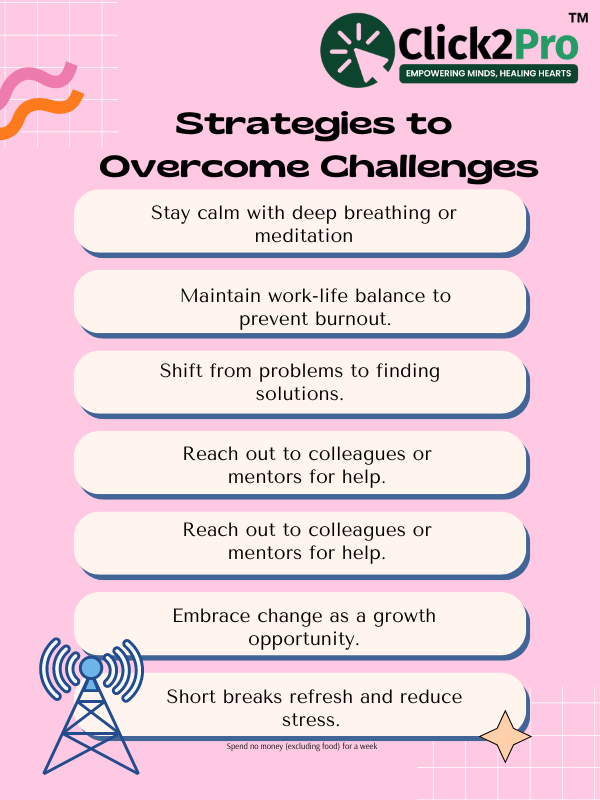
Strategies to Overcome Challenges:
- Stress Management Techniques: Use stress-reduction strategies like mindfulness or short breaks to refresh your mindset.
- Healthy Boundaries: Set boundaries to manage work-life balance better and prevent burnout.
- Seek Support: Communicate openly with team members or seek help from an online psychologist in India for professional guidance.
Strategies to Cultivate a Positive Work Attitude
Now that we understand the challenges, let’s dive into effective strategies to cultivate and maintain a positive work attitude. These strategies are designed to improve your overall mindset and boost personal growth.
Practice Gratitude Daily
Gratitude is one of the simplest yet most effective ways to cultivate positivity. Taking a few moments each day to reflect on what you're thankful for can significantly shift your attitude toward work.
Tip: Maintain a gratitude journal where you list three things each day that you are grateful for at work.
Set Realistic and Achievable Goals
Setting clear goals is essential to maintaining a positive mindset in the workplace. It provides direction and motivation, making it easier to stay positive.
SMART Goals: Specific, Measurable, Achievable, Relevant, and Time-bound goals help keep you focused and positive.
Example: Instead of setting vague goals like "I want to succeed at work," break it down into actionable steps like "I will complete my project ahead of the deadline by planning daily tasks."
Solution-Oriented Thinking
Instead of dwelling on problems, shift your mindset to focus on solutions. This will help reduce stress and foster positivity in challenging situations.
Example: Instead of stressing over an obstacle, ask yourself, “What can I do to overcome this issue?”
Work Attitude Tips: Stay proactive and focus on what you can control, even in negative situations.
Build Strong Relationships with Colleagues
Workplace relationships play a vital role in maintaining a positive work environment. Collaborating with like-minded individuals and having supportive relationships fosters positivity.
Tip: Engage in active listening and offer support to team members. Positive attitude and teamwork go hand in hand when working toward common goals.
Continuous Learning and Development
Developing new skills not only boosts your confidence but also fosters a positive attitude at work. The more competent you feel, the more positively you’ll approach challenges.
How to Stay Positive at Work: Take part in online courses, webinars, and professional development opportunities to enhance your skills.
Practice Self-Care
Maintaining a positive work attitude isn’t just about what happens at work—it’s also about how you take care of yourself outside of work.
Physical and Mental Well-being: Get enough sleep, maintain a balanced diet, and engage in regular physical activity. Consider online counselling in India for professional guidance if you struggle with maintaining a positive mindset.
Embrace Feedback with a Growth Mindset
Constructive feedback can sometimes feel negative, but learning to see it as an opportunity for growth helps you maintain a positive work attitude.
Example: Instead of getting defensive, use feedback as a way to improve your performance and grow professionally.
Positive Attitude Example at Work: "Thank you for your feedback. I’ll use it to improve my future presentations."
The Link Between Positive Work Attitude and Personal Growth
A positive mindset in the workplace not only improves work performance but also contributes to personal growth. When you approach work challenges with optimism, it influences other aspects of your life. Here’s how:
Improved Emotional Intelligence
A positive attitude helps you stay calm under pressure, improving your emotional regulation and enhancing emotional intelligence.
Example: Being patient during stressful projects helps develop resilience, which is useful both at work and in personal relationships.
Better Problem-Solving Skills
Maintaining positivity allows you to think more clearly, resulting in better decision-making and problem-solving skills.
Tip: Next time you're faced with a problem, stay optimistic and explore creative solutions. This will improve both your personal growth and work attitude.
Enhanced Communication and Leadership Skills
Positive individuals are often perceived as better communicators and leaders, which aids in career advancement.
Example: Positivity fosters open and transparent communication, essential for team success.
Work Attitude Tips for Long-Term Success
To ensure you consistently maintain a positive mindset, it’s essential to incorporate specific habits and attitudes into your daily work routine. Here are some long-term tips for success:
Celebrate Small Wins: Acknowledge and reward your small achievements. This keeps motivation high.
Surround Yourself with Positivity: Build a positive support network, both at work and outside of it.
Develop Resilience: Understand that setbacks are part of the process. Approach them with a positive, solution-oriented attitude.
Stay Open to Learning: Keep challenging yourself by learning new skills. Continuous learning keeps you adaptable and optimistic.
Conclusion
A positive work attitude is not just about maintaining a good mood at the office. It’s about adopting a mindset that fosters personal growth, enhances teamwork, and contributes to long-term career success. By practicing gratitude, setting realistic goals, and focusing on solutions, you can cultivate a positive mindset that will benefit you both personally and professionally. Whether you’re facing daily stress or aiming for a promotion, your attitude at work plays a pivotal role in how you navigate challenges and seize opportunities.
As you move forward in your career, remember that maintaining a positive attitude requires continuous effort and self-reflection. Incorporate these strategies into your daily routine, and not only will you see improvements in your workplace, but you’ll also experience significant personal growth.
About the Author
Aakanchha Srivastava is a Senior Psychologist at Click2Pro, dedicated to helping individuals foster positive mental health and personal growth. With extensive experience in workplace psychology and counselling, Aakanchha specializes in guiding professionals to cultivate positive work attitudes and develop strategies for long-term success. Her expertise lies in creating actionable insights for improving productivity, teamwork, and mental well-being, making her a trusted voice in the field of mental health and organizational behavior.
Through her writing, Aakanchha aims to empower individuals with the tools needed to maintain positivity in challenging environments, improve workplace relationships, and achieve personal and professional growth.
FAQs
1. What is a positive attitude at work?
A positive attitude at work means approaching tasks, challenges, and interactions with optimism and enthusiasm. It involves focusing on solutions, maintaining good relationships with colleagues, and handling stress calmly, leading to a more productive and enjoyable work environment.
2. What are 5 positive attitudes?
- Optimism: Believing in the best possible outcomes.
- Resilience: Bouncing back from setbacks with strength.
- Adaptability: Being open to change and new ideas.
- Collaboration: Working well with others and valuing teamwork.
- Accountability: Taking responsibility for actions and outcomes.
3. What are positive job attitudes?
Positive job attitudes include job satisfaction, commitment to the organization, enthusiasm for tasks, and a sense of belonging within the team. These attitudes help increase performance and promote a healthier work environment.
4. What is an example of a good working attitude?
An example of a good working attitude is being proactive in solving problems. For instance, instead of complaining about an issue, a person with a good attitude will find a solution and present it to their team or manager.
5. How to be positive at work?
To stay positive at work, practice gratitude, focus on solutions rather than problems, set realistic goals, and surround yourself with supportive colleagues. Taking breaks, managing stress, and maintaining a healthy work-life balance also contribute to positivity.
6. What is an example of positive work?
A positive work example is offering to help a colleague who is struggling with their workload. This not only demonstrates teamwork but also fosters a collaborative and supportive work environment.
7. How to improve your attitude?
You can improve your attitude by practicing mindfulness, focusing on personal development, maintaining gratitude, and setting achievable goals. Additionally, seeking feedback from colleagues and continuously learning can lead to a more positive mindset.
8. What is a positive job?
A positive job is one where employees feel valued, supported, and engaged. It’s a role that encourages professional growth, offers challenges, and provides a healthy work environment that nurtures both personal and professional well-being.
9. What is a powerful attitude?
A powerful attitude is one characterized by confidence, resilience, and a growth mindset. It empowers individuals to face challenges head-on, take calculated risks, and continuously seek improvement in both personal and professional settings.