Table of Contents
Building self-esteem and boosting confidence are essential to leading a fulfilling life, yet they can be challenging tasks for many. If you often find yourself doubting your abilities or struggling with self-worth, you’re not alone. In this article, we’ll explore practical strategies on how to build self-esteem and ways to boost confidence, so you can achieve both personal and professional success.
What is Self-Esteem and Why Does it Matter?
Self-esteem refers to the value or worth that you place on yourself. It’s about recognizing your strengths, accepting your weaknesses, and feeling good about who you are. Confidence, on the other hand, is the belief in your abilities to perform tasks and face challenges.
Why It’s Important:
- Better Mental Health: High self-esteem is associated with lower rates of depression, anxiety, and stress.
- Improved Relationships: Confidence helps you set healthy boundaries and maintain fulfilling personal and professional relationships.
- Greater Success: People with high self-esteem are more likely to pursue their goals and take risks, leading to more achievements in life.
Practice Self-Compassion
How to Build Self-Esteem
Self-compassion is one of the most effective ways to overcome low self-esteem. It means treating yourself with the same kindness and understanding as you would a close friend who is struggling.
Actionable Tips:
- Acknowledge your pain: Understand that it’s okay to have flaws and imperfections.
- Speak kindly to yourself: Replace self-criticism with supportive, positive affirmations for confidence like "I am enough" or "I deserve happiness."
Research Insight: Studies have shown that self-compassion leads to increased resilience and well-being, making it a critical component of self-esteem improvement.
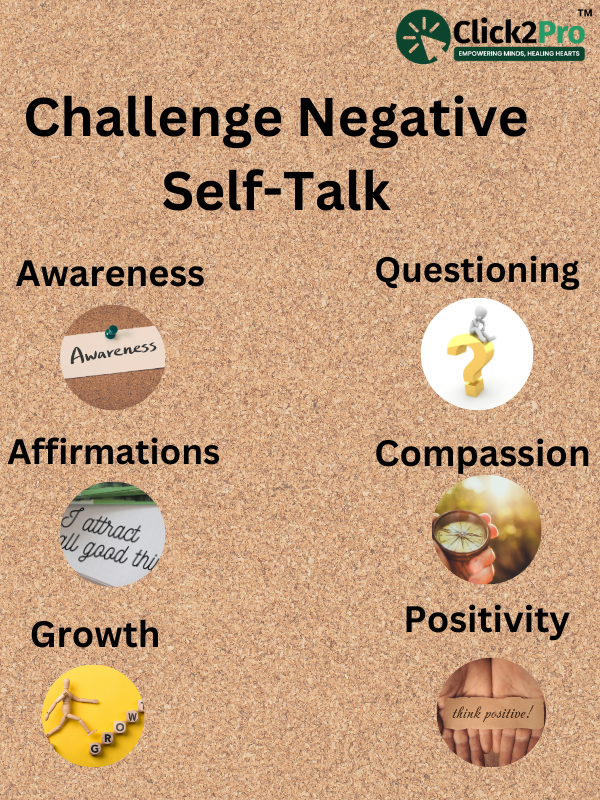
Challenge Negative Self-Talk
How to Overcome Low Self-Esteem
Negative self-talk can sabotage your self-worth. We often speak to ourselves in ways that we wouldn’t speak to others, criticizing our every move.
Practical Steps to Challenge Negative Thoughts:
- Identify the negative thoughts: Write down recurring negative thoughts about yourself.
- Reframe them: Ask yourself, "Is this thought based on facts, or is it an irrational fear?"
- Replace them with positive affirmations: For example, replace "I’m not good enough" with "I’m constantly improving, and that’s enough."
Set Realistic Goals and Achieve Small Wins
Ways to Boost Confidence
Setting realistic and achievable goals is a surefire way to build self-esteem. Achieving even small wins provides a sense of accomplishment, reinforcing the belief that you are capable.
How to Set Realistic Goals:
- Break down big goals: Instead of saying, "I want to lose 20 pounds," aim for smaller milestones like "I want to lose 2 pounds this month."
- Track your progress: Use a journal or app to monitor your achievements and celebrate small victories.
Research Insight: Psychology experts emphasize that small wins have a compounding effect, increasing motivation and self-confidence over time.
Surround Yourself with Positive Influences
Build Self-Worth
The people we surround ourselves with have a huge impact on how we view ourselves. If you spend time with supportive, positive individuals, your self-esteem and confidence are likely to increase.
Tips for Building a Positive Support Network:
-
Assess your relationships: Spend time with those who encourage your growth and avoid toxic relationships that drain your energy.
-
Join communities: Surround yourself with like-minded individuals who share similar goals and values.
Develop New Skills
Confidence Building Techniques
Learning new skills can greatly enhance your confidence. Every new ability you master serves as a reminder of your competence and worth.
Ways to Build Confidence Through Skill Development:
-
Identify areas of interest: Whether it’s public speaking, cooking, or a new language, pick something you’ve always wanted to learn.
-
Take incremental steps: Start with beginner-level tasks and slowly progress. Each new skill learned adds to your sense of self-worth.
Use Positive Affirmations for Confidence
Positive Affirmations for Confidence
Positive affirmations can rewire your brain to think more optimistically, which is crucial for self-esteem. They act as daily reminders of your worth and abilities.
Examples of Confidence-Building Affirmations:
-
"I am deserving of love and success."
-
"I have the power to change my life for the better."
-
"I believe in my ability to overcome challenges."
Practical Tip: Start each day with 3-5 positive affirmations, either written or spoken aloud, to reinforce your self-worth.
Focus on Self-Care
Ways to Improve Self-Image
Taking care of your body and mind is essential for building self-esteem. Regular exercise, healthy eating, and sufficient sleep can all have positive effects on how you view yourself.
Tips for Enhancing Self-Image Through Self-Care:
- Exercise regularly: Physical activity boosts endorphins, improving mood and body image.
- Maintain a balanced diet: Eating healthy can make you feel energized and confident.
- Prioritize sleep: Rest is essential for mental clarity and emotional stability.
Embrace Failure as Part of Growth
Primary Keyword: How to Build Self-Esteem
Failure is an inevitable part of life. The key to building self-esteem is learning to view failure as a learning opportunity rather than a personal flaw.
How to Use Failure for Growth:
- Shift your mindset: Instead of thinking, "I failed," tell yourself, "This was a learning experience."
- Review and revise: After each setback, analyze what went wrong and how you can improve next time.
Practice Gratitude Daily
Build Self-Worth
Gratitude helps shift your focus from what you lack to what you already have. Practicing gratitude regularly can improve both self-esteem and overall happiness.
How to Incorporate Gratitude:
- Start a gratitude journal: Write down three things you’re grateful for each day.
- Express gratitude to others: Acknowledging the kindness of others can also improve how you view yourself.
Seek Professional Help When Necessary
Best Online Psychologist in India
Sometimes, low self-esteem can be deep-rooted and difficult to overcome alone. Seeking professional help from a psychologist can provide the tools and support needed to boost self-confidence.
When to Consider Professional Help:
- Persistent low self-esteem: If you feel stuck in negative thought patterns that you cannot break, a therapist can help.
- Click2Pro Services: At Click2Pro, we offer online therapy services tailored to help you build self-esteem and confidence from the comfort of your home.
Research Insight: Cognitive Behavioral Therapy (CBT) has been proven to be effective in treating low self-esteem by addressing negative thought patterns and behaviors.
Conclusion
Building self-esteem and boosting confidence are journeys that take time, effort, and commitment. By implementing the strategies discussed above—such as practicing self-compassion, using positive affirmations, and developing new skills—you can start to see significant improvements in how you view yourself.
About the Author
Dr. Pankaj Kumar is a senior Psychologist at Click2Pro, with extensive experience in helping individuals overcome mental health challenges and build a strong sense of self-esteem and confidence. His approach integrates proven psychological techniques with a deep understanding of human behavior, making him a trusted expert in the field. Dr. Kumar is dedicated to empowering his clients to achieve personal growth, improve their mental well-being, and lead fulfilling lives through personalized therapy and actionable strategies.
FAQs
-
How do you build self-esteem?
You can build self-esteem by practicing self-compassion, challenging negative self-talk, setting and achieving realistic goals, and surrounding yourself with positive influences. Regularly acknowledging your achievements, embracing failure as a learning experience, and practicing gratitude can also help improve self-worth over time.
-
What do you mean by self-esteem?
Self-esteem refers to the value you place on yourself. It reflects your sense of self-worth and the degree to which you appreciate and accept yourself. High self-esteem helps you feel confident in your abilities, whereas low self-esteem may cause feelings of doubt and inadequacy.
-
How do you fix low self-esteem?
To fix low self-esteem, start by identifying negative thoughts and replacing them with positive affirmations. Engage in activities that make you feel accomplished, seek support from friends or a therapist, and focus on self-care routines like exercise and healthy eating. Setting small, achievable goals and celebrating progress can also improve how you view yourself.
-
What are the three types of self-esteem?
The three types of self-esteem are high self-esteem, where individuals have a positive self-view; low self-esteem, where individuals feel inadequate or unworthy; and inflated self-esteem, where individuals overestimate their value or abilities, often leading to arrogance.
-
How to grow confidence?
To grow confidence, focus on setting achievable goals and celebrating small successes. Practice positive affirmations, learn new skills, and surround yourself with supportive people. Taking care of your physical health, through regular exercise and self-care, also plays a role in boosting confidence.
-
How to regain self-confidence?
To regain self-confidence, start by identifying and challenging self-doubt. Set small, manageable goals, and focus on personal achievements rather than perceived failures. Reframe negative thoughts, engage in positive self-talk, and practice activities that make you feel competent and empowered.
-
How to increase self-love?
You can increase self-love by practicing self-care, speaking kindly to yourself, and setting healthy boundaries in relationships. Embrace your imperfections, celebrate your strengths, and regularly reflect on your personal growth. Surrounding yourself with positive influences also helps nurture self-love.
-
How to overcome lack of confidence?
Overcoming lack of confidence requires taking action despite self-doubt. Start with small steps, like setting achievable goals and celebrating each success. Replace negative thoughts with positive affirmations, learn new skills, and focus on self-care to build confidence over time.
-
How can I be 100% confident?
Becoming 100% confident takes practice. Focus on self-improvement by learning new skills, setting realistic goals, and surrounding yourself with supportive people. Positive affirmations, self-care, and resilience in the face of challenges will help you feel fully confident in your abilities.
-
How can I build confidence in 7 days?
To build confidence in 7 days, start by setting small, achievable goals. Practice positive affirmations daily, challenge negative thoughts, and engage in activities that make you feel accomplished. Surround yourself with supportive people, take care of your physical health, and focus on one small improvement each day.
-
How to be a confident girl?
To be a confident girl, practice self-love by accepting your imperfections and embracing your strengths. Set achievable goals, engage in self-care, and surround yourself with positive influences. Challenge negative thoughts with affirmations, and step out of your comfort zone to face challenges head-on.