Table of Contents
- Bipolar Disorder and Its Unique Challenges in Dehradun
- Types of Bipolar Disorder: How It Presents in Dehradun
- Mental Health Resources for Bipolar Disorder in Dehradun
- Managing Bipolar Disorder in Daily Life
- The Importance of Early Diagnosis and Treatment
- The Role of Family and Community Support in Dehradun
- Conclusion
- About the Author
- FAQs
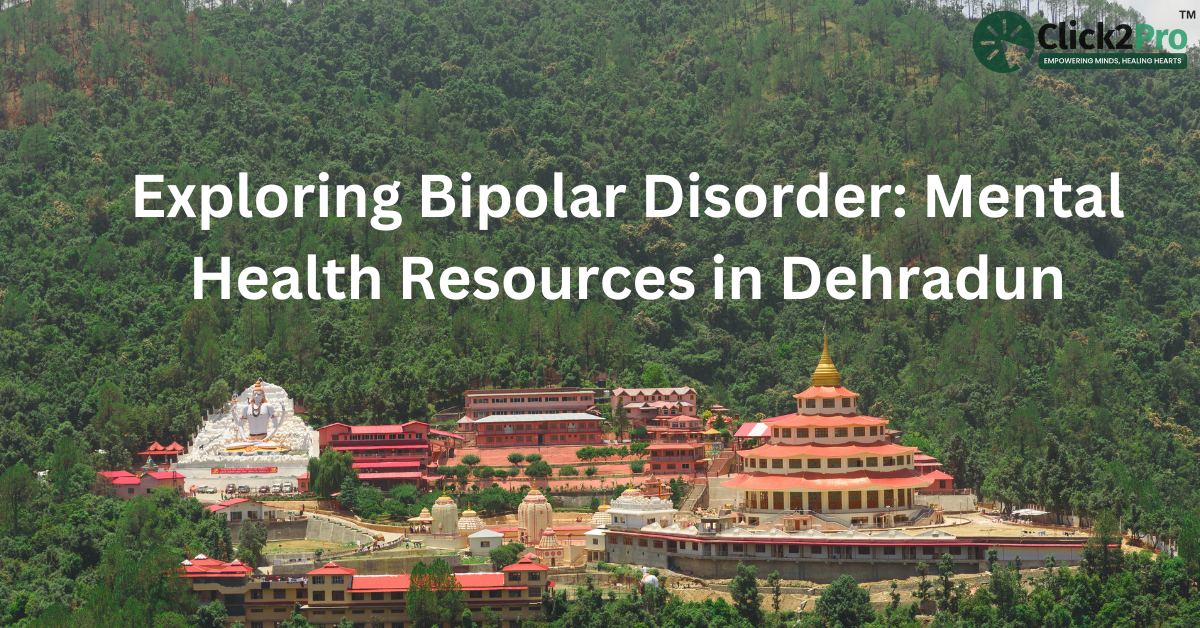
Bipolar disorder is a serious mental health condition that affects millions of people worldwide, and residents of Dehradun are no exception. Despite the serene surroundings of this city nestled in the foothills of the Himalayas, many individuals face the challenges of managing the emotional highs and lows that come with this disorder. In this blog, we will explore how bipolar disorder impacts people living in Dehradun and highlight the mental health resources available to help them cope effectively.
Bipolar Disorder and Its Unique Challenges in Dehradun
Living in Dehradun brings a sense of peace with its natural beauty, but mental health issues like bipolar disorder can make it difficult for people to enjoy these aspects. People living in areas such as Vasant Vihar, Ballupur, and Prem Nagar may find that the fluctuating seasons of the city, such as the rainy monsoon or the chill of winter, have an impact on their mood swings, either elevating manic phases or intensifying depressive ones.
Additionally, the stigma around mental health in Dehradun, like in many parts of India, can make it difficult for individuals to seek help early. This makes understanding the signs and having access to resources critical for those living with bipolar disorder in the city.
Types of Bipolar Disorder: How It Presents in Dehradun
Bipolar disorder presents in different forms, and it's essential to recognize the signs early. The three main types are Bipolar I, Bipolar II, and Cyclothymic Disorder. Understanding these distinctions helps caregivers, families, and individuals living in areas like Prem Nagar or Subhash Nagar identify when professional help is needed. For instance:
- Bipolar I Disorder involves severe mood episodes, from intense mania to depression. Individuals might experience extreme behavior such as impulsive spending or erratic decisions, followed by prolonged depressive phases where they may avoid social interaction altogether.
- Bipolar II Disorder has less intense manic phases, called hypomania, but depressive episodes can be severe.
- Cyclothymic Disorder features frequent mood fluctuations over an extended period but with less extreme highs and lows.
Recognizing these symptoms early, especially when living in close-knit communities like Ballupur, is vital because community awareness can play a significant role in promoting timely treatment.
Signs and Symptoms of Bipolar Disorder
One of the challenges of identifying bipolar disorder in a city like Dehradun is that mood swings can sometimes be attributed to environmental or lifestyle factors. However, understanding the key signs and symptoms is essential.
For example, someone may exhibit excessive energy and optimism during a manic phase, followed by fatigue, irritability, and sadness in a depressive phase. Family members in places like Vasant Vihar should be on the lookout for changes in sleeping patterns, concentration issues, or sudden decisions such as quitting a job or making impulsive financial decisions.
The local community plays a crucial role in early identification. In Dehradun, people often turn to family for emotional support. However, it's equally important to seek professional help when these behaviors interfere with everyday life.
Mental Health Resources for Bipolar Disorder in Dehradun
Thankfully, Dehradun is home to several mental health resources that can help individuals manage bipolar disorder effectively.
Local Clinics and Hospitals
- Government Doon Medical College: This hospital offers affordable psychiatric care, particularly helpful for residents in more economically diverse areas like Subhash Nagar.
These institutions provide access to professional psychiatrists who can diagnose bipolar disorder and develop personalized treatment plans.For individuals seeking support, online counselling in India is now more accessible than ever, and those looking for a best psychologist counsellor in Dehradun can easily find services through platforms like Click2Pro. Many services also offer free initial consultations, ensuring everyone has access to mental health care. Whether you need the best psychologist doctor in Dehradun or prefer online therapy, resources are available to fit your needs.
Telehealth and Online Therapy
For those who prefer more anonymity or flexibility, telehealth services are becoming more popular in Dehradun. Platforms like Click2Pro allow patients to consult with psychiatrists and therapists from the comfort of their homes in places like Prem Nagar or Ballupur, where commuting to hospitals may be more difficult. Teletherapy also reduces the stigma often associated with visiting a mental health clinic.
Support Groups and Community Resources
Support groups can be a crucial lifeline for those dealing with bipolar disorder. In Dehradun, organizations like Mind Care Foundation run regular group therapy sessions, which offer a safe space for individuals to share their experiences and receive emotional support from others who understand their condition. These groups also run community outreach programs that aim to break down the stigma surrounding mental health in cities like Dehradun.
Managing Bipolar Disorder in Daily Life
Dealing with bipolar disorder is about more than just treatment. Managing the condition requires changes in lifestyle and coping strategies. People in Dehradun, with its picturesque surroundings, can integrate outdoor activities such as walking or hiking into their daily routine. Engaging with nature has been shown to improve mood and reduce the symptoms of depression.
Moreover, maintaining a structured routine is crucial for managing bipolar disorder. Regular sleep patterns, a balanced diet, and avoiding alcohol or substance abuse are essential steps to stabilize mood swings.
Families, particularly in close-knit areas like Vasant Vihar, play an important role. Supporting someone with bipolar disorder means helping them stay consistent with treatment and therapy, while also offering emotional and psychological support when they experience episodes.
The Importance of Early Diagnosis and Treatment
Early diagnosis is key to managing bipolar disorder effectively. Dehradun’s healthcare infrastructure is growing, and professionals are increasingly recognizing the importance of mental health. If you or a loved one in Ballupur or Subhash Nagar experience symptoms of bipolar disorder, reaching out for help at the earliest signs can dramatically improve the course of the condition.
The Role of Family and Community Support in Dehradun
In a city like Dehradun, where families are tightly connected, the role of family support cannot be overstated. Families in places like Prem Nagar can help reduce the stigma around mental health by encouraging open conversations about bipolar disorder and providing non-judgmental emotional support. This reduces the likelihood of individuals feeling isolated or misunderstood.
Local mental health awareness campaigns are also helping to break the silence surrounding mental health issues in the region. By fostering a more open dialogue, the Dehradun community can better support those living with bipolar disorder.
Conclusion
Bipolar disorder is a challenging condition, but with the right resources and support, individuals can lead fulfilling lives. Dehradun is evolving in its approach to mental health, and resources like hospitals, support groups, and telehealth services are making a significant difference.
If you or someone you know is experiencing the symptoms of bipolar disorder, remember that seeking help early is the best course of action. Dehradun’s mental health professionals are here to guide you on the path to recovery, helping you manage the condition and reclaim your life.
About the Author
Shivani Bhandari is a Senior Psychologist at Click2Pro, specializing in cognitive behavioral therapy (CBT), mood disorders, and stress management. With years of experience helping individuals navigate the complexities of mental health, she has a deep understanding of conditions like bipolar disorder and how they impact lives, particularly in Indian cities like Dehradun. Shivani is passionate about raising mental health awareness and reducing the stigma around mental health issues in local communities. Through her work, she aims to provide compassionate and effective support to those in need, both through in-person and online counselling services.
FAQs
-
What are the best mental health clinics in Dehradun for treating bipolar disorder?
Max Super Specialty Hospital and Government Doon Medical College are top facilities offering treatment for bipolar disorder in Dehradun.
-
Can I get online therapy for bipolar disorder in Dehradun?
Yes, platforms like Click2Pro offer online therapy sessions with licensed therapists and psychiatrists specializing in bipolar disorder.
-
Are there support groups for bipolar disorder in Dehradun?
Yes, Mind Care Foundation and other NGOs in Dehradun provide group therapy and peer support programs for individuals with bipolar disorder.
-
What are the signs of bipolar disorder that I should watch for in a family member?
Signs include dramatic mood swings, periods of extreme energy, followed by deep depression, changes in sleep patterns, and erratic decision-making.
-
Is there any stigma around mental health in Dehradun?
While stigma still exists, awareness campaigns and the growing availability of mental health services are helping to change perceptions in Dehradun.