Breaking up with someone you love can be one of the most challenging experiences in life. The emotional pain, confusion, and sense of loss can feel overwhelming. Understanding how to overcome a break up is crucial for your mental health and overall well-being. This blog provides a comprehensive guide to emotional healing and growth after a break up, ensuring you come out stronger and ready to embrace new opportunities. At Click2Pro, we understand the complexities of emotional recovery and are here to support you every step of the way.
Understanding the Impact of a Break Up
Emotional and Psychological Effects
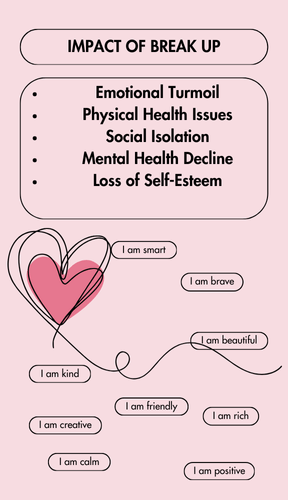
A break up can trigger a whirlwind of emotions. You might feel sadness, anger, betrayal, and confusion. These feelings are normal and part of the healing process. However, prolonged emotional distress can lead to more severe psychological issues such as depression and anxiety. Understanding these emotional and psychological effects is the first step toward healing.
Physical Effects
Break ups don't just affect your emotions; they can also take a toll on your physical health. You might experience changes in appetite, sleep disturbances, and general fatigue. These physical symptoms are often interconnected with your emotional state and should be addressed to facilitate overall healing.
Social Effects
A break up can disrupt your social life, affecting relationships with friends and family. You might feel isolated or find it challenging to interact with mutual friends. It's essential to maintain your social connections and seek support from those who care about you.
Immediate Steps to Take After a Break Up
Allow Yourself to Grieve
Grieving is a natural response to loss. Allow yourself to feel the pain and sadness without judgment. Cry if you need to, write about your feelings, or talk to someone you trust. Processing these emotions is crucial for healing.
Avoid Negative Coping Mechanisms
It can be tempting to turn to alcohol, drugs, or other harmful behaviors to numb the pain. However, these negative coping mechanisms only provide temporary relief and can lead to further problems. Instead, focus on healthy ways to cope, such as exercise, hobbies, or creative outlets.
Establish a Routine
Maintaining a daily routine can provide structure and a sense of normalcy during this turbulent time. Engage in activities that keep you occupied and promote well-being. This could include regular exercise, healthy eating, and sufficient sleep.
Long-Term Healing Strategies
Self-Care Practices
Taking care of your physical and mental health is vital for long-term healing. Engage in regular physical activity, eat a balanced diet, and practice good sleep hygiene. Mental health practices such as meditation, mindfulness, and journaling can also be beneficial.
Personal Growth Activities
Use this time as an opportunity for personal growth. Engage in hobbies you enjoy or try new activities that interest you. Setting new personal goals can help you focus on the future and move forward positively.
Rebuilding Self-Esteem
A break up can significantly impact your self-esteem. Work on rebuilding your confidence through positive self-talk and affirmations. Remember your strengths and achievements, and don't let the break up define your self-worth.
Reconnecting with Yourself
Self-Reflection and Evaluation
Take some time to reflect on the relationship and what you've learned from it. Consider what worked and what didn't, and use these insights to understand your needs and desires better.
Rediscovering Passions and Interests
Reconnect with old hobbies or discover new ones. Engaging in activities that bring you joy and fulfillment can be a powerful way to heal and grow.
Building a New Identity
A break up can be an opportunity to create a fresh start. Embrace change and work on building a new identity that reflects your true self and aspirations.
Moving Forward and Embracing New Relationships
Learning from Past Relationships
Reflecting on past relationships can provide valuable lessons. Understand what worked and what didn’t, and apply these insights to build healthier future relationships.
Taking Things Slowly
Don't rush into new relationships. Take your time to heal and ensure you're ready before entering into a new commitment. Building healthy and meaningful connections takes time.
Staying Positive and Open-Minded
Maintaining a positive outlook is crucial for moving forward. Stay open to new experiences and opportunities, and trust that better things are ahead.
Seek Support
Don't go through this difficult time alone. Talk to friends and family who can offer comfort and understanding. If you need professional support, Click2Pro is here to help with experienced therapists ready to guide you through your healing journey.
Conclusion
Overcoming a break up is a challenging journey, but it's also an opportunity for personal growth and emotional healing. By following these steps and seeking support when needed, you can come out stronger and more resilient. Remember, Click2Pro is here to help you navigate this difficult time and support your mental health needs.
FAQs Section
- What are the best ways to heal after a break up?
Healing after a break up involves allowing yourself to grieve, seeking support from friends, family, or professionals like Click2Pro, avoiding negative coping mechanisms, and establishing a routine to maintain normalcy.
- How long does it take to overcome a break up?
The time it takes to overcome a break up varies for each individual. It depends on factors like the length of the relationship, the nature of the break up, and personal coping mechanisms. It's essential to be patient and allow yourself to heal at your own pace.
- What should you not do after a break up?
After a break up, avoid negative coping mechanisms like substance abuse, rebounding into a new relationship too quickly, and isolating yourself from supportive friends and family.
- How can I stop thinking about my ex?
To stop thinking about your ex, engage in new hobbies, spend time with friends, focus on self-care, and consider mindfulness practices like meditation to manage intrusive thoughts.
- What are the stages of grief after a break up?
The stages of grief after a break up typically include denial, anger, bargaining, depression, and acceptance. These stages are not linear, and individuals may experience them differently.
- How do I rebuild my self-esteem after a break up?
Rebuild self-esteem by practicing positive self-talk, setting new personal goals, engaging in activities that make you feel good about yourself, and seeking professional support if needed.
- Is it normal to feel physically sick after a break up?
Yes, it's normal to experience physical symptoms such as changes in appetite, sleep disturbances, and general fatigue due to the emotional stress of a break up.
- How can therapy help in overcoming a break up?
Therapy can provide a safe space to process emotions, develop healthy coping strategies, and gain insights into personal growth. Click2Pro offers professional therapy services to support your healing journey.
- What are healthy coping mechanisms after a break up?
Healthy coping mechanisms include engaging in physical activity, practicing mindfulness and meditation, maintaining a balanced diet, pursuing hobbies, and seeking support from loved ones.
- How do I know if I need professional help after a break up?
If you experience prolonged sadness, depression, anxiety, or find it challenging to cope with daily life, it may be time to seek professional help from a therapist or counselor.
- Can exercise help in healing after a break up?
Yes, exercise can significantly aid in healing by releasing endorphins, improving mood, and providing a healthy outlet for stress and anxiety.
- What are the signs that you are over your ex?
Signs that you are over your ex include no longer feeling intense emotions when thinking about them, being open to new relationships, and feeling content and happy with your life.
- How do I deal with mutual friends after a break up?
Communicate openly with mutual friends, set boundaries if necessary, and focus on maintaining healthy and supportive relationships without involving them in the break up drama.
- What role does mindfulness play in healing from a break up?
Mindfulness helps by keeping you present, reducing stress, and allowing you to process emotions without judgment. Practices like meditation can enhance your emotional resilience.
- How can I avoid rebound relationships?
Avoid rebound relationships by taking time to heal, understanding your emotional needs, and ensuring you are entering a new relationship for the right reasons, not just to fill a void.
- How do I start dating again after a break up?
Start dating again when you feel emotionally ready. Take things slowly, be honest about your past experiences, and ensure you are looking for a healthy and meaningful connection.
- What are some self-care tips after a break up?
Self-care tips include engaging in activities you enjoy, practicing mindfulness, maintaining a healthy lifestyle, spending time with supportive people, and seeking professional help if needed.
- How can I stay positive during a break up?
Stay positive by focusing on personal growth, setting new goals, engaging in hobbies, surrounding yourself with positive influences, and practicing gratitude.
- How do I handle social media after a break up?
Handle social media by taking a break if necessary, unfollowing or muting your ex, and avoiding posting about the break up. Use social media positively by connecting with supportive friends and engaging in uplifting content.
- What are some activities to help distract from a break up?
Activities to distract yourself include pursuing hobbies, volunteering, exercising, traveling, learning something new, and spending time with friends and family.