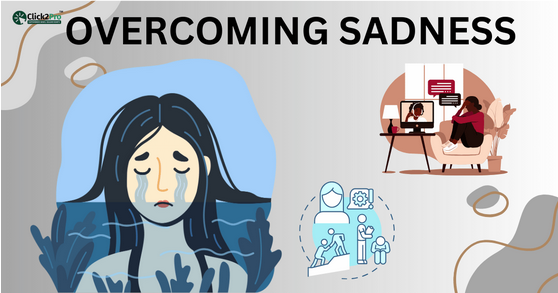
Feeling sad is a normal part of life, but sometimes sadness can feel overwhelming. It's essential to recognize that while it's okay to feel sad, taking steps to address and overcome this emotion can lead to a happier and more fulfilling life. Here, we'll explore practical ways to help you overcome sadness and feel happier.
Understanding Sadness
Before we dive into the solutions, it’s important to understand that sadness is a natural emotion. It’s okay to feel sad sometimes, but when it lingers, it’s important to take steps to address it. Sadness can be triggered by various factors, such as loss, disappointment, or stressful life events. Recognizing the cause of your sadness can be the first step towards overcoming it.
How to Overcome Sadness and Depression
Sadness and depression can often feel very similar, but depression is more intense and lasts longer. Depression is a mental health condition that requires more than just simple lifestyle changes. Here are some ways to tackle both sadness and depression:
Talk to Someone
One of the most effective ways to deal with sadness and depression is to talk to someone. Sharing your feelings with a friend, family member, or therapist can help you feel less alone. A therapist, in particular, can provide professional guidance and support, helping you develop strategies to manage your emotions.
Stay Active
Physical activity is a powerful mood booster. Exercise releases endorphins, which are chemicals in the brain that act as natural painkillers and mood elevators. Even a short walk can make a significant difference. Try to incorporate regular exercise into your routine, whether it's going to the gym, taking a yoga class, or simply walking in nature.
Eat Well
Your diet can impact your mood. Eating healthy foods, such as fruits, vegetables, lean proteins, and whole grains, can improve your mood and energy levels. Avoid excessive consumption of sugar and processed foods, which can lead to mood swings and energy crashes.
Get Enough Sleep
Sleep is crucial for emotional well-being. Make sure you’re getting enough rest. A good night’s sleep can do wonders for your mood. Establish a regular sleep schedule and create a relaxing bedtime routine to improve the quality of your sleep.
Try Relaxation Techniques
Relaxation techniques such as deep breathing, meditation, or yoga can help reduce stress and improve your mood. These practices can help you calm your mind and focus on the present moment, reducing feelings of sadness and anxiety.
How to Overcome Extreme Sadness
Extreme sadness can be very challenging. It can feel all-consuming and make it difficult to carry out daily activities. Here are some steps you can take to feel better:
Seek Professional Help
If your sadness feels too much to handle, a therapist can help you navigate your feelings. They can provide coping strategies and, if necessary, recommend treatments such as medication. Don’t hesitate to reach out for professional help if you need it.
Create a Routine
Having a daily routine can give you a sense of stability and purpose. When you’re feeling extremely sad, it’s easy to lose motivation. A routine can help you stay on track and provide structure to your day. Include activities that you enjoy and that make you feel good.
Stay Connected
Spend time with loved ones. Even a phone call can help you feel connected. Social support is crucial when dealing with extreme sadness. Reach out to friends and family, and don’t isolate yourself. Being around people who care about you can provide comfort and support.
Engage in Activities You Enjoy
Doing things you love can bring joy back into your life. Whether it’s a hobby, a sport, or a creative activity, engaging in enjoyable activities can distract you from your sadness and provide a sense of accomplishment and happiness.
How to Overcome Depression and Sadness
Depression and sadness can often go hand in hand. Here’s how to tackle both:
Set Small Goals
Achieving small, daily goals can help build your confidence and lift your mood. When you’re feeling depressed, even small tasks can feel overwhelming. Break down your tasks into manageable steps and celebrate your achievements, no matter how small they may seem.
Challenge Negative Thoughts
Try to replace negative thoughts with positive ones. For example, instead of thinking, “I can’t do anything right,” try thinking, “I’m doing my best, and that’s enough.” Cognitive-behavioral techniques can help you identify and change negative thought patterns that contribute to sadness and depression.
Take Breaks
It’s okay to take a break and relax. Give yourself permission to rest. Overworking yourself can lead to burnout and increased feelings of sadness. Make sure to take time for self-care and relaxation.
How to Overcome Sadness and Loneliness
Sadness and loneliness often go together. Feeling lonely can intensify feelings of sadness. Here are ways to combat both:
Reach Out
Don’t be afraid to reach out to friends or join a group with similar interests. Building social connections can reduce feelings of loneliness. Consider joining clubs, taking classes, or participating in community activities to meet new people and make friends.
Volunteer
Helping others can improve your mood and connect you with new people. Volunteering can provide a sense of purpose and fulfillment. Find a cause you’re passionate about and get involved. The act of giving can boost your mood and reduce feelings of loneliness.
Adopt a Pet
Pets can provide companionship and love, helping to reduce loneliness. If you’re able to care for a pet, consider adopting one. The unconditional love and companionship of a pet can be incredibly comforting and can help alleviate feelings of loneliness and sadness.
How to Overcome Sadness and Be Happy
Moving from sadness to happiness involves adopting positive habits and mindsets. Here are some steps to help you make that transition:
Practice Gratitude
Take a moment each day to think about what you’re grateful for. This can shift your focus from what’s wrong to what’s right. Keeping a gratitude journal can help you cultivate a positive outlook and appreciate the good things in your life.
Stay Positive
Surround yourself with positive influences, whether it’s people, books, or activities. Limit exposure to negative news and toxic relationships. Instead, engage in activities that make you happy and spend time with people who uplift you.
Focus on the Present
Try to stay in the moment and enjoy the present rather than worrying about the past or future. Mindfulness techniques can help you stay grounded and appreciate the present. Practice mindfulness through meditation, deep breathing, or simply paying attention to your surroundings.
Conclusion
Overcoming sadness is a journey, and it’s important to be kind to yourself along the way. Remember, it’s okay to ask for help, and it’s okay to take things one step at a time. By using these strategies, you can work towards a happier, healthier life.
If you need more personalized support, consider reaching out to a therapist at Click2Pro. We’re here to help you every step of the way. Professional guidance and support can make a significant difference in your journey to overcoming sadness and finding happiness.
FAQs
- What are the common causes of sadness?
- Common causes include loss, disappointment, stress, and life changes.
- How can I tell the difference between sadness and depression?
- Sadness is temporary, while depression is a prolonged condition that affects daily functioning.
- Can exercise really help with sadness?
- Yes, physical activity releases endorphins, which can improve mood.
- What if I don’t have anyone to talk to about my sadness?
- Consider reaching out to a therapist or joining support groups where you can share your feelings.
- How long does it usually take to overcome sadness?
- The duration varies for each person. It’s important to be patient and seek help if needed.
- Are there any specific foods that can improve my mood?
- Foods rich in omega-3 fatty acids, antioxidants, and vitamins can boost mood, such as fish, nuts, fruits, and vegetables.
- What are some relaxation techniques I can try?
- Deep breathing, meditation, yoga, and progressive muscle relaxation are effective techniques.
- Is it normal to feel sad even when everything seems fine?
- Yes, sometimes sadness can occur without a specific reason. It’s important to acknowledge your feelings and address them.
- Can loneliness cause physical symptoms?
- Yes, loneliness can lead to physical symptoms like fatigue, headaches, and sleep disturbances.
- How can volunteering help with sadness?
- Volunteering provides a sense of purpose and connects you with others, which can improve mood.
- What is mindfulness, and how can it help with sadness?
- Mindfulness involves focusing on the present moment. It can reduce stress and improve emotional well-being.
- Should I consider medication for depression?
- Medication can be helpful for some people. Consult with a healthcare provider to determine what’s best for you.
- How can pets help with loneliness?
- Pets provide companionship, reduce stress, and encourage physical activity, which can alleviate loneliness.
- What are some small goals I can set to improve my mood?
- Simple goals like making your bed, going for a walk, or calling a friend can boost your mood and confidence.
- How can I challenge negative thoughts?
- Identify negative thoughts and replace them with positive affirmations. Cognitive-behavioral techniques can be helpful.
- Is it okay to take a break when feeling overwhelmed?
- Absolutely. Taking breaks and practicing self-care is crucial for mental health.
- How can I practice gratitude daily?
- Keep a gratitude journal and write down three things you’re thankful for each day.
- What are the benefits of having a daily routine?
- A routine provides structure, reduces stress, and helps manage time effectively.
- Can therapy help even if I’m not clinically depressed?
- Yes, therapy can help with a range of emotional issues, including sadness and stress.
- How can I stay positive in a negative environment?
- Limit exposure to negativity, focus on positive aspects, and engage in activities that make you happy.
By following these strategies and seeking help when needed, you can overcome sadness and work towards a happier, healthier life. Remember, it’s a journey, and taking small steps can lead to significant improvements in your emotional well-being.
At Click2Pro, we understand that mental health is crucial for overall well-being. Our dedicated team of experienced therapists and counselors is here to provide you with the support and guidance you need. Whether you are dealing with sadness, depression, anxiety, or any other mental health issue, our experts are equipped to help you navigate through your challenges. We offer personalized therapy sessions that are tailored to meet your unique needs, ensuring that you receive the most effective care possible.
Our services are designed to be accessible and convenient, allowing you to connect with our professionals from the comfort of your home. We believe that everyone deserves to live a happy and fulfilling life, and we are committed to helping you achieve that. Reach out to Click2Pro today and take the first step towards a brighter and healthier future. We are here to support you every step of the way.