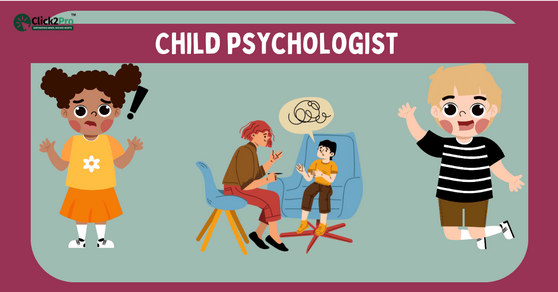
As a parent, you want the best for your child, including their mental health. Understanding the role of child psychologists and the benefits of child counseling can help you make informed decisions about your child's well-being. In this comprehensive guide, we will explore the importance of child psychology, the key services offered by child psychologists, and why Click2Pro stands out as your go-to partner for child counseling services. Let's dive into the world of child psychology and discover how it can benefit your child.
What is Child Psychology?
Definition: Child psychology focuses on the mental, emotional, and behavioral development of children from birth through adolescence. It encompasses a wide range of topics, including cognitive development, emotional regulation, social interactions, and behavioral issues.
Importance: Understanding child psychology helps parents and caregivers recognize developmental issues early and provide timely intervention. It also equips them with the tools to support their child's growth and development effectively.
Role: Child psychologists play a crucial role in diagnosing and treating mental health issues in children. They offer support and strategies for children and their families, helping them navigate challenges and promoting healthy development.
Comprehensive Child Counseling Services
Behavioral Therapy:
Behavioral therapy focuses on changing harmful behaviors and developing positive ones. It involves techniques such as positive reinforcement, behavior modification, and skill-building exercises. Benefits: Helps children manage emotions, improve social skills, and reduce problematic behaviors.
Cognitive-Behavioral Therapy (CBT):
CBT teaches children to identify and change negative thought patterns and behaviors. It is effective for a range of issues, including anxiety, depression, and behavioral problems. Benefits: Empowers children to develop coping strategies, improve their mood, and enhance their overall well-being.
Play Therapy:
Play therapy uses play to help children express their feelings and resolve psychological issues. It is particularly effective for young children who may not articulate their emotions verbally. Benefits: Facilitates emotional expression, enhances problem-solving skills, and fosters healthy development.
Family Counseling Importance:
Family counseling involves family members in the therapy process to improve communication, resolve conflicts, and support the child's development. Benefits: Strengthens family bonds, promotes understanding, and provides a supportive environment for the child.
School Counseling Role:
School counselors work with students to support their academic and emotional needs. They collaborate with teachers, parents, and psychologists to create a holistic approach to the child's well-being. Benefits: Addresses issues in both school and home environments, promoting a well-rounded approach to mental health.
Areas of Specialization in Child Psychology
Anxiety & Worries:
Techniques to help children manage anxiety include relaxation exercises, mindfulness, and cognitive restructuring.
Depression & Mood Disorders:
Strategies for identifying and treating childhood depression, including talk therapy, medication, and lifestyle changes.
ADHD (Attention-Deficit/Hyperactivity Disorder):
Behavioral strategies, organizational skills training, and medication management.
Autism Spectrum Disorder:
Early intervention, social skills training, and specialized therapies tailored to the child's needs.
Learning Disorders:
Support for children with dyslexia, dyscalculia, and other learning difficulties through specialized tutoring and therapy.
Conduct Disorder:
Therapy approaches to manage and improve behavior, including anger management and social skills training.
Intellectual Disabilities:
Support and resources for cognitive development, including educational interventions and skill-building exercises.
Oppositional Defiant Disorder:
Techniques for improving behavior and communication, such as parent training programs and individual therapy.
Why Choose Click2Pro for Child Counseling?
Experienced and Licensed Child Psychologists :
Highlight the qualifications and experience of Click2Pro's team of child psychologists, emphasizing their expertise and dedication to helping children.
Personalized Treatment Plans:
Click2Pro offers customized approaches tailored to each child's unique needs, ensuring effective and targeted therapy.
Flexible and Convenient Online and Offline Services:
Options for in-person and remote counseling make it easy for families to access the help they need, regardless of location.
Multidisciplinary Approach:
Click2Pro collaborates with educators, medical professionals, and social workers to create comprehensive treatment plans that address all aspects of a child's development.
Innovative Techniques:
Use of technology and modern therapy methods, such as virtual reality (VR) therapy for children with anxiety and phobias, and integration of art and music therapy as additional therapeutic modalities.
Success Stories :
Real-life examples of successful child counseling cases at Click2Pro, demonstrating the positive impact of their services on children's lives.
How Parents Can Support Their Child During Counseling
HActive Involvement:
Importance of parents being engaged in the therapy process, attending sessions, and working with the therapist to support their child.
Consistent Support and Encouragement:
How parents can reinforce positive changes at home, provide encouragement, and celebrate their child's progress.
Creating a Safe and Nurturing Environment at Home:
Tips for fostering a supportive atmosphere, such as establishing routines, offering praise, and maintaining open communication.
FAQs
What are the signs that my child needs to see a psychologist?
Answer: Common signs include changes in behavior, mood swings, academic struggles, withdrawal from social activities, and difficulty coping with everyday stress.
How do I choose the best child psychologist near me?
Answer: Look for licensed and experienced professionals, check reviews and testimonials, and consider the psychologist's specialization and approach to therapy.
What should I expect during my child's first counseling session?
Answer: The first session typically involves an assessment of your child's needs, discussion of concerns, and development of a treatment plan. It may also include a meet-and-greet with the therapist to build rapport.
How long does child counseling typically last?
Answer: The duration varies depending on the child's needs and progress. Some children may benefit from short-term therapy, while others may require ongoing support.
Are the counseling sessions confidential?
Answer: Yes, counseling sessions are confidential. Therapists are bound by ethical guidelines to protect the privacy of their clients, with certain exceptions for safety concerns.
How can I support my child during their counseling process?
Answer: Be involved in the therapy process, provide consistent support and encouragement, and create a safe and nurturing environment at home. Communicate openly with your child and their therapist.
Conclusion
Take the First Step Towards Better Mental Health for Your Child
Summarize the benefits of seeking professional help for your child's mental health. Emphasize the importance of early intervention and the positive impact of counseling on a child's development. Encourage readers to contact Click2Pro for expert child counseling services.
Call to Action
Schedule a Free Consultation with Click2Pro
Highlight the offer of a free initial consultation. Provide contact information and a link to schedule the consultation. Emphasize the convenience and accessibility of Click2Pro's services, both online and offline